Counterfeit Medications: Identifying Fakes and Staying Safe
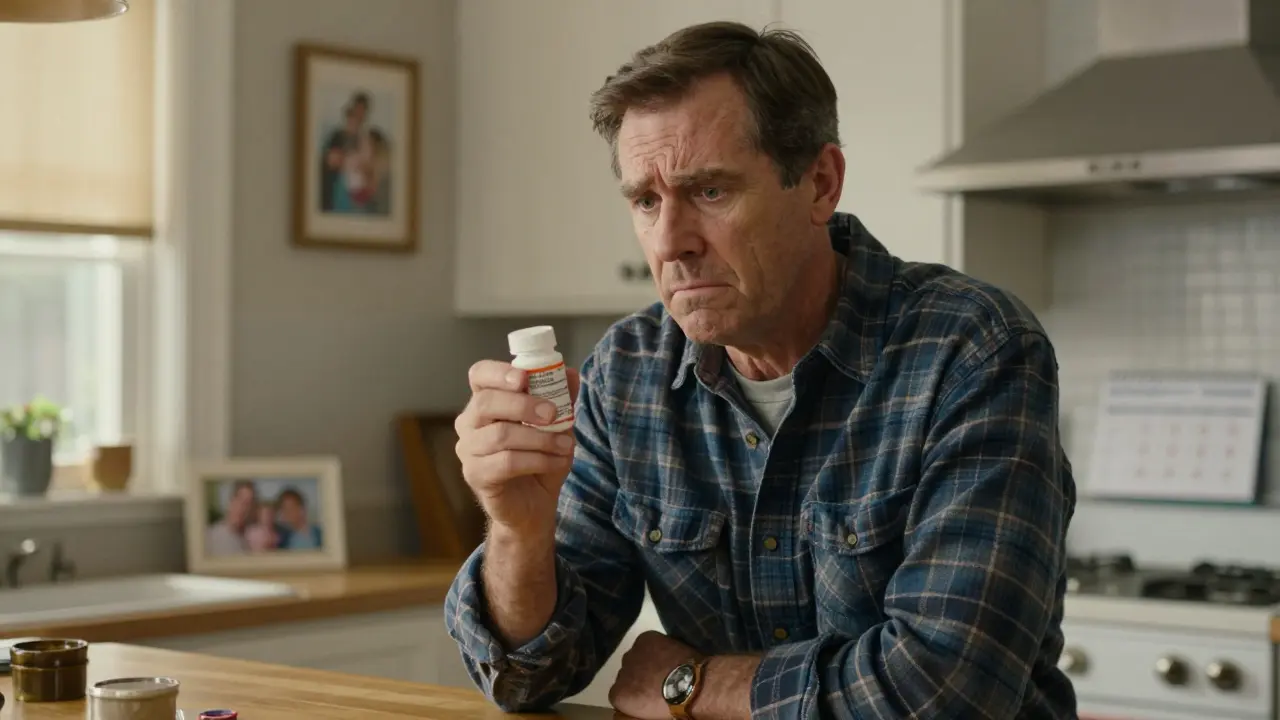
Online Pharmacy Safety Checker
Prescription Requirement
Does the pharmacy require a valid prescription?Legitimate pharmacies never dispense controlled substances without a valid prescription from a licensed provider.
VIPPS Seal Verification
Does the site display a valid VIPPS seal?The Verified Internet Pharmacy Practice Sites (VIPPS) seal is awarded by the National Association of Boards of Pharmacy (NABP).
Physical Contact Information
Is there a verifiable physical address and phone number?Legitimate pharmacies provide clear contact information. P.O. boxes only or contact forms are red flags.
Pricing Assessment
Are prices unusually low compared to local pharmacies?If prices seem too good to be true, they likely are. Significant discounts often indicate counterfeit products.
Licensing Verification
Can you verify their license via NABP database?Use the NABP database to confirm the pharmacy is licensed in its state of operation.
You trust your medicine to heal you. But what if the pill in your hand is just chalk, sugar, or worse-poison? This isn't a scene from a dystopian thriller; it’s the harsh reality of the global counterfeit medication crisis. These aren’t just cheap knockoffs. They are deliberately mislabeled products designed to deceive you for profit, often containing incorrect ingredients, insufficient active compounds, or deadly contaminants like fentanyl.
The scale of this problem is staggering. According to the World Health Organization (WHO), falsified medical products deliberately misrepresent their identity, composition, or source with the intent to deceive consumers for financial gain. In 2024 alone, the Pharmaceutical Security Institute (PSI) recorded over 6,400 incidents of pharmaceutical counterfeiting across 136 countries. That’s not a glitch in the system; it’s a global epidemic fueled by e-commerce and complex supply chains. If you’ve ever bought meds online to save money or avoid a doctor’s visit, you might be walking into a trap. Here is how to spot the fakes and keep yourself safe.
How Counterfeit Drugs Look and Feel
Criminal networks have gotten smarter. The days of obvious spelling errors on packaging are largely gone. Today’s fakes use advanced manufacturing techniques that make them nearly indistinguishable from genuine products. However, there are still red flags you can catch with your own eyes and hands.
- Packaging inconsistencies: Check for poor-quality printing, faded colors, or misspellings. Legitimate manufacturers invest heavily in brand protection, so their packaging is usually crisp and precise.
- Pill appearance: Compare the color, shape, and size of your pills to previous batches. A slight change in hue or texture can signal a different manufacturer-or a fake.
- Odor and taste: Real medications have a specific smell and taste. If your pill smells chemical, metallic, or just "off," do not take it.
- Weight discrepancies: As one nurse shared on Reddit, counterfeit insulin vials sometimes feel lighter than usual because they contain less liquid or air instead of the actual drug.
Dr. Margaret A. Hamburg, former FDA Commissioner, noted in a 2025 report that the sophistication of these operations has increased dramatically. Criminals now replicate holograms and serialization features. But even high-tech fakes can slip up on basic quality control. Always inspect your medication before taking it.
The Hidden Dangers: What’s Inside?
It’s not just about wasting money on a placebo. Counterfeit drugs can kill you. The WHO warns that substandard and falsified medical products can contain toxic substances, insufficient active ingredients, or no active ingredients at all.
Consider antimalarial drugs in Africa. The National Consumers League reports that counterfeit versions result in more than 120,000 deaths annually. Why? Because patients don’t get the treatment they need to survive malaria. In the U.S., the danger is often hidden in painkillers. The DEA’s 2025 National Drug Threat Assessment found that 7 out of 10 seized fake pills contained potentially lethal doses of fentanyl. You think you’re taking an oxycodone for back pain, but you’re actually ingesting a street drug with unpredictable potency.
A study published in The American Journal of Tropical Medicine and Hygiene found that 52.8% of counterfeit medicines detected in the legitimate supply chain contained insufficient active ingredients. This means your chronic condition isn’t being treated, leading to disease progression, antibiotic resistance, and severe complications.
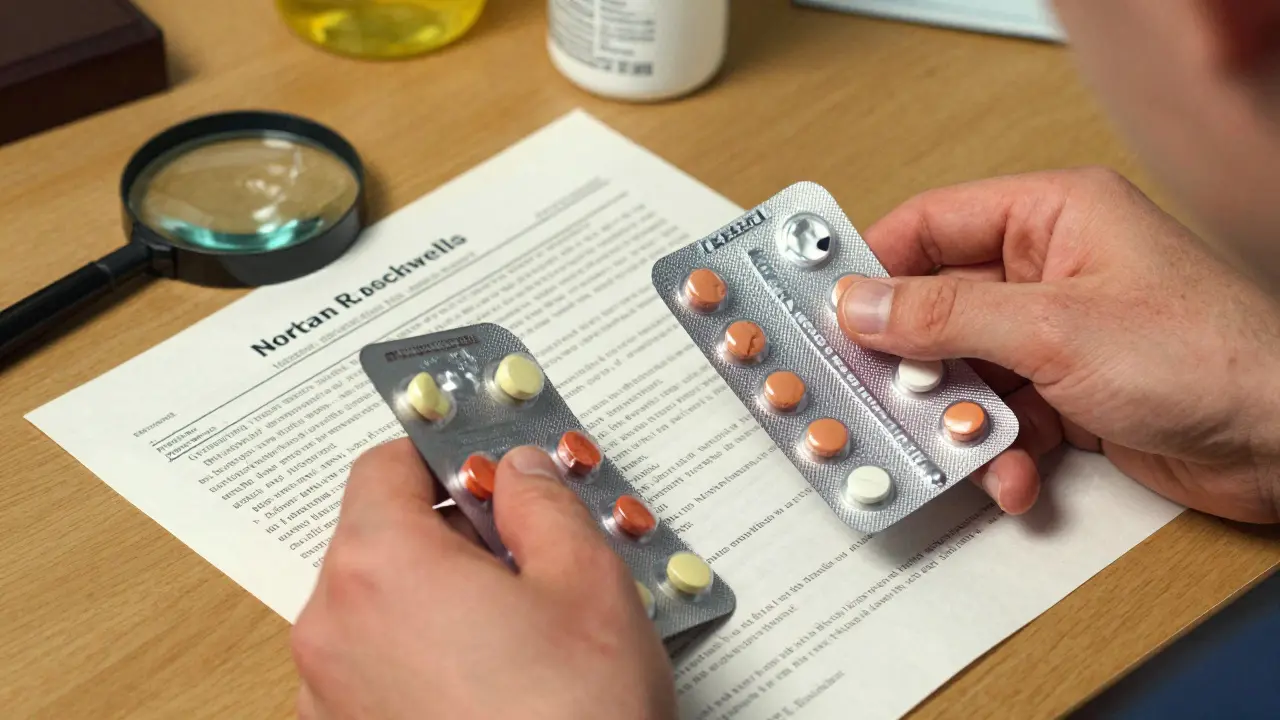
Online Pharmacies: The Biggest Risk Zone
If you buy your meds from a local brick-and-mortar pharmacy, your risk is low. The U.S. maintains a closed drug distribution system, keeping counterfeit prevalence below 1%. But the internet is a different story. The FDA states that 97% of websites selling prescription drugs operate illegally.
Many sites claim to be "Canadian pharmacies" to sound legitimate, but 85% of those drugs actually originate from other countries with lax regulations. A 2025 survey by the National Consumers League found that 62% of consumers who purchased medications online couldn’t verify the pharmacy's legitimacy. And 41% admitted to buying from sites that didn’t even require a prescription. That should be your first alarm bell. No legitimate pharmacy dispenses controlled substances without a valid prescription from a licensed provider.
Social media marketplaces are particularly dangerous. LifeRaft Labs advises never purchasing medications from Facebook, Instagram, or Telegram groups. These platforms lack oversight, and scammers can disappear overnight with your money and leave you with nothing but fake pills.
How to Verify Your Source
Staying safe requires proactive verification. Don’t assume a website is safe because it looks professional. Scammers hire designers too. Use these steps to check any online pharmacy:
- Look for the VIPPS seal: The Verified Internet Pharmacy Practice Sites (VIPPS) seal is awarded by the National Association of Boards of Pharmacy (NABP). It ensures the pharmacy meets strict safety standards.
- Check for a physical address and phone number: Legitimate pharmacies provide clear contact information. If the site only offers a contact form or a P.O. box, walk away.
- Verify the prescription requirement: If you can buy antibiotics, ADHD meds, or opioids without talking to a doctor, it’s a scam.
- Use the FDA’s BeSafeRx program: This tool helps you identify illegal online pharmacies and provides tips for safe purchasing.
- Check licensing: Use the NABP database to confirm the pharmacy is licensed in its state of operation.
Pfizer’s security team also recommends checking for tamper-evident packaging features and verifying National Drug Code (NDC) numbers through the FDA’s database. If the NDC doesn’t match the product name or manufacturer, something is wrong.
Technology vs. Crime: The Detection Arms Race
The fight against counterfeit drugs is becoming high-tech. The Global Counterfeit Drug Detection Device Market was valued at USD 1.742 billion in 2025 and is projected to reach USD 2.293 billion by 2030. Spectroscopy devices lead this advancement, allowing regulators and pharmacists to analyze the chemical composition of pills in seconds.
In the U.S., the Drug Supply Chain Security Act (DSCSA) requires full electronic tracing of prescription drugs. By November 2025, every unit-level package must be verified as it moves through the supply chain. The European Medicines Agency has implemented similar rules with the Falsified Medicines Directive, requiring unique identifiers and anti-tampering devices on packaging.
But criminals are adapting. Interpol’s Operation Pangea XVI in 2025 resulted in 769 arrests and the seizure of 50.4 million doses of counterfeit medicines. Yet, the WHO warns that emerging technologies like 3D printing could complicate detection further. Preliminary reports suggest criminal networks are using desktop manufacturing equipment to produce convincing counterfeit packaging. This means the burden of vigilance falls increasingly on you, the consumer.
| Sign | What to Look For | Action |
|---|---|---|
| Packaging | Faded print, misspellings, broken seals | Do not open; report to authorities |
| Pill Appearance | Different color, shape, or texture than before | Compare with manufacturer images online |
| Price | Unusually low cost (too good to be true) | Assume it’s fake; find a licensed source |
| Prescription | No prescription required | Leave the site immediately |
| Contact Info | No physical address or phone number | Verify via NABP or FDA tools |
What to Do If You Suspect a Fake
If you suspect your medication is counterfeit, do not take another dose. Keep the packaging and any remaining pills as evidence. Contact your healthcare provider immediately for alternative treatment options. Then, report the incident.
In the U.S., you can report adverse events linked to suspected counterfeit medications to the FDA’s MedWatch program. The WHO recommends using the MedSafety app to report suspicious products globally. Your report helps law enforcement track down criminal networks and prevents others from falling victim.
The economic impact of this crime is massive. Countries spend an estimated US$ 30.5 billion annually on substandard and falsified medical products, while legitimate pharmaceutical companies lose approximately $200 billion yearly. But beyond the money, it’s about lives. Dr. Soumya Swaminathan, former WHO Chief Scientist, emphasized that counterfeit medicines undermine global health security by fueling antimicrobial resistance, particularly in low- and middle-income countries where regulatory systems are less robust.
Stay vigilant. Verify your sources. And never let convenience compromise your health.
How can I tell if my online pharmacy is legitimate?
Look for the VIPPS seal from the National Association of Boards of Pharmacy (NABP). Ensure the pharmacy requires a valid prescription, provides a physical address and phone number, and is licensed in its state of operation. Avoid sites that offer unusually low prices or sell controlled substances without a prescription.
Are counterfeit pills common in the United States?
While the U.S. has a closed drug distribution system that keeps counterfeit prevalence below 1% in physical pharmacies, online risks are high. The FDA states that 97% of websites selling prescription drugs operate illegally. Additionally, the DEA reported seizing millions of fake pills containing fentanyl in recent years.
What are the dangers of taking counterfeit medication?
Counterfeit drugs may contain no active ingredient, insufficient doses, or harmful contaminants like fentanyl or heavy metals. This can lead to treatment failure, disease progression, antibiotic resistance, or even death. For example, counterfeit antimalarials cause over 120,000 deaths annually in Africa.
How do criminals make counterfeit drugs look real?
Criminals use advanced manufacturing techniques to replicate packaging, including holograms and serialization features. Some are even experimenting with 3D printing to create convincing containers. However, subtle errors in printing quality, pill weight, or odor often remain detectable.
Where can I report suspected counterfeit medications?
In the U.S., report adverse events to the FDA’s MedWatch program. Globally, you can use the WHO’s MedSafety app. Keeping the packaging and reporting helps law enforcement dismantle criminal networks and protects other consumers.