Fentanyl in Counterfeit Pills: How to Spot the Risk and Prevent Overdose
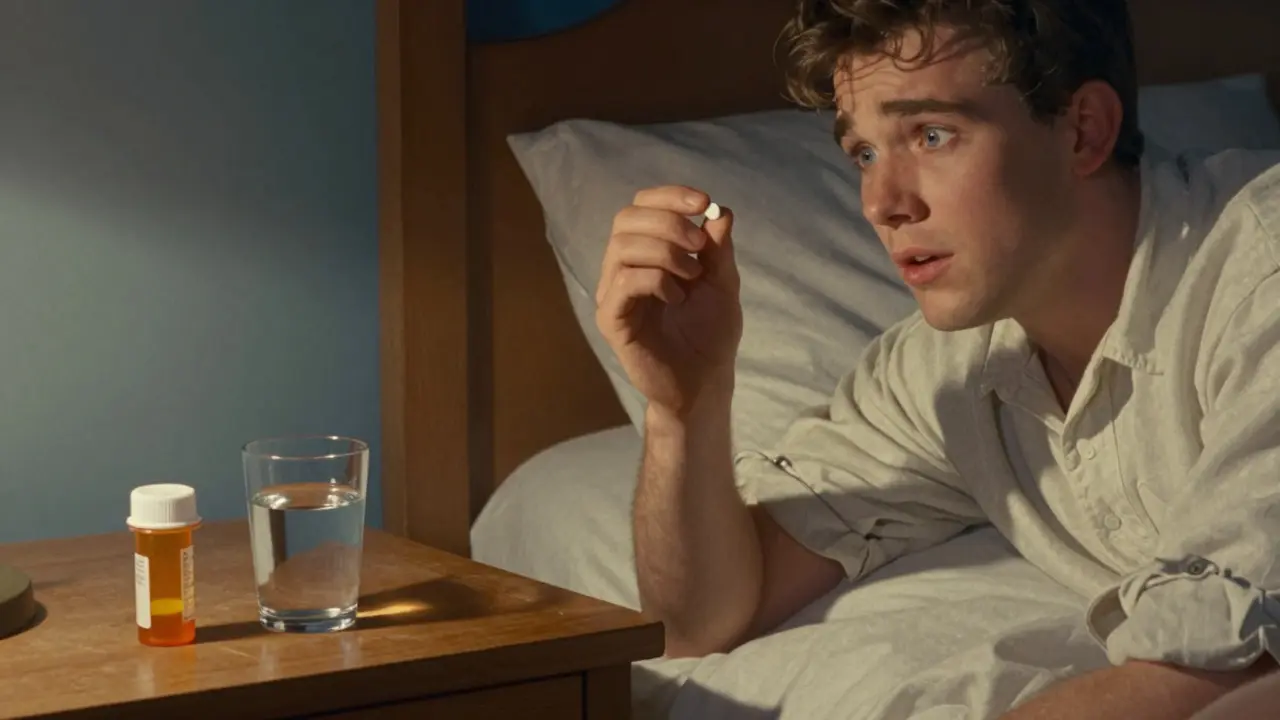
You pick up a pill that looks exactly like your prescription for anxiety or pain. The imprint matches. The color is right. You pop it with water, expecting relief. Instead, you face a fight for your life. This isn't a horror movie plot; it is the daily reality for thousands of people across the United States today.
The crisis we are facing involves Fentanyl, a synthetic opioid that is 50 to 100 times more potent than morphine. While it has legitimate medical uses for severe pain, illicit manufacturers have turned it into a deadly weapon by hiding it inside counterfeit pills designed to mimic popular medications like oxycodone, Xanax, and Adderall. The danger lies in the invisibility of the threat. You cannot see fentanyl with the naked eye, smell it, or taste it before it hits your system. Understanding this risk is no longer just "good to know"-it is a survival skill.
The Scale of the Counterfeit Pill Crisis
To grasp how urgent this issue is, look at the numbers coming out of federal agencies. The U.S. Drug Enforcement Administration (DEA) reports staggering seizures. In 2024 alone, they seized over 60 million fentanyl-laced fake pills. That number represents more than 380 million lethal doses. To put that in perspective, if every person in the U.S. took one of those pills, there would still be enough left to kill everyone again-and then some.
Why is this happening? It comes down to cold, hard economics. Illicit fentanyl costs traffickers roughly $5,000 to $10,000 per kilogram to produce. Compare that to legitimate oxycodone, which can cost between $50,000 and $100,000 per kilogram. Fentanyl is cheap, incredibly potent, and easy to ship because you need very little of it to get a high effect. Traffickers press these powders into pills using simple presses, creating copies of brand-name drugs that look identical to the real thing. The result is a flood of dangerous medication entering communities, schools, and parties.
| Feature | Legitimate Prescription | Counterfeit Pill |
|---|---|---|
| Source | Licensed pharmacy | Social media, friends, street dealers |
| Content Consistency | Precise, measured dosage | Unpredictable; often contains lethal amounts |
| Visual Identification | Standardized imprints/colors | Mimics legitimate pills perfectly |
| Risk Level | Low (when used as prescribed) | Extremely High (70% contain lethal doses) |
Why Visual Inspection Fails
A common myth among young adults and even some older users is that you can tell if a pill is fake by looking at it. According to data from the CDC and health educators at the University of Washington, this belief is dangerously false. Counterfeiters use advanced molding techniques to replicate the exact shape, color, weight, and imprint codes of legitimate drugs. A fake Xanax bar might have the same logo as the real pharmaceutical version, but inside, it could hold enough fentanyl to stop your heart.
The DEA’s laboratory testing reveals a terrifying statistic: 7 out of every 10 pills containing fentanyl have a potentially lethal dose. Just 2 milligrams of fentanyl-an amount smaller than the tip of a pencil-is enough to kill an average adult. Because the mixing process in illicit labs is crude and unregulated, one pill might have a trace amount while the next one from the same batch has a fatal overload. There is no consistency. When you take a pill not dispensed by a pharmacist, you are rolling dice with your life.
Understanding the Overdose Mechanism
Fentanyl works by binding tightly to opioid receptors in the brain, slowing down breathing and heart rate. In a controlled medical setting, this is managed carefully. In a counterfeit pill, the dose is unknown. When fentanyl enters the bloodstream, it suppresses the respiratory drive. Victims often slip into unconsciousness quickly, sometimes within minutes. Without intervention, oxygen levels drop, leading to brain damage or death.
The situation is compounded by polydrug use. Many counterfeit pills also contain other substances like benzodiazepines (such as alprazolam) or stimulants (like methamphetamine). Mixing depressants like opioids with other sedatives multiplies the risk of respiratory failure. Even if someone survives the initial hit, the long-term effects on cognitive function and organ health can be severe. The narrow therapeutic index of fentanyl means the line between "feeling good" and "flatlining" is razor-thin.
Prevention Strategies: Harm Reduction Tools
Since we cannot rely on our eyes, we must rely on tools and behaviors that reduce risk. Prevention isn't just about abstinence; it's about staying alive in a contaminated supply chain. Here are the most effective strategies currently available.
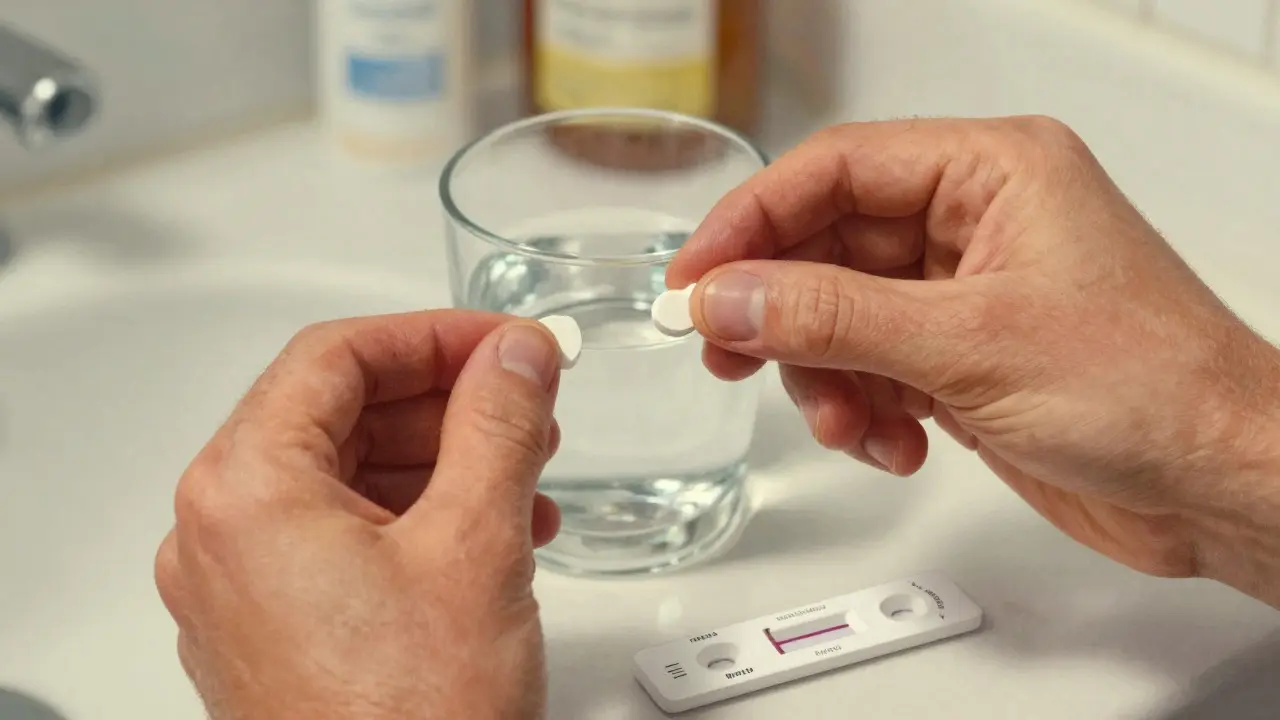
- Use Fentanyl Test Strips: These small strips, costing about $1-$2 each, can detect the presence of fentanyl. You crush a tiny piece of the pill, mix it with water, and dip the strip. If a second line appears, fentanyl is present. However, remember their limitations: they only test the sample you crushed. If the pill is unevenly mixed, the rest of the pill could still be deadly. They also may not detect newer analogs like carfentanil.
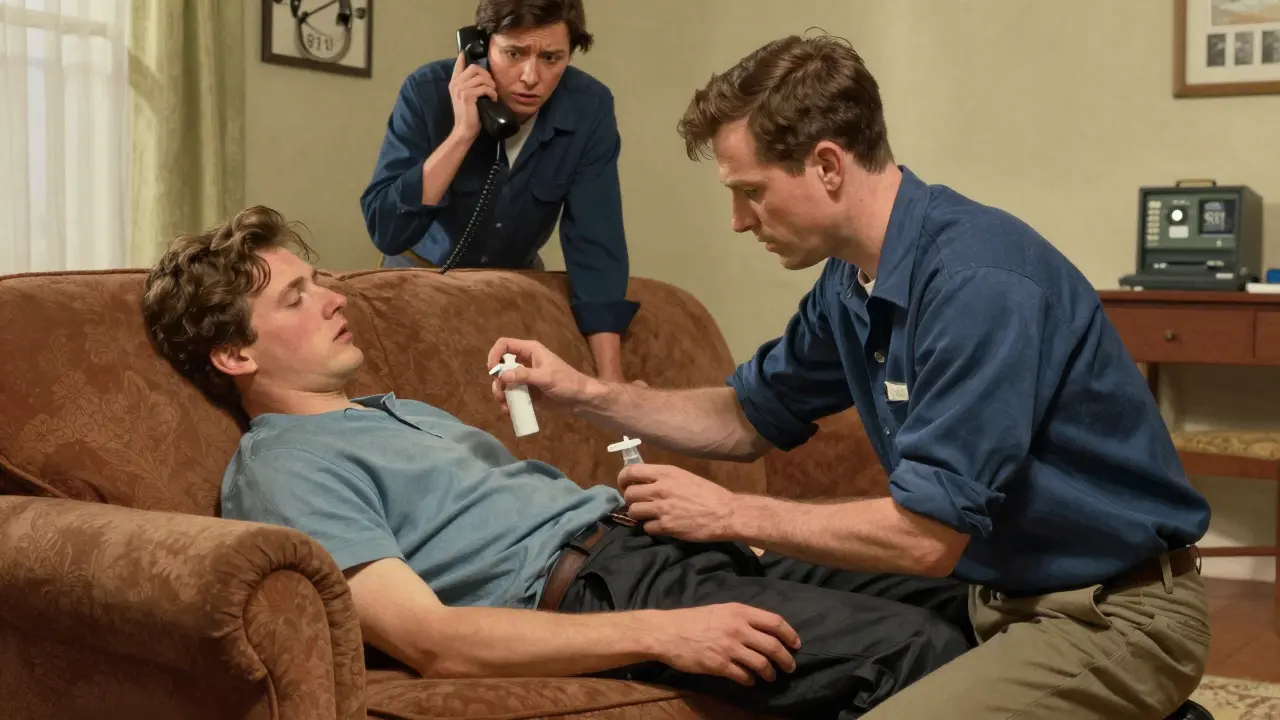
- Carry Naloxone (Narcan): Naloxone is an opioid antagonist that rapidly reverses the effects of an overdose. Available as a nasal spray, it is widely accessible through pharmacies without a prescription in many states. Keep it in your bag, car, or bedside table. In a fentanyl overdose, multiple doses may be required due to the drug's potency. Administering naloxone buys time until emergency services arrive.
- Never Use Alone: If you are going to use any substance of uncertain origin, do it with someone who knows what to do. Share your location with a trusted friend. If you pass out, they can call 911 and administer naloxone immediately. Seconds count.
- Verify Your Source: The safest medication is always prescribed by a doctor and dispensed by a licensed pharmacist. Avoid buying pills from social media sellers, online marketplaces, or acquaintances. The DEA notes that social media platforms are increasingly used to distribute these fake pills, targeting teens and young adults directly.
Recognizing the Signs of an Overdose
Knowing what to look for can save a life. If you suspect someone has taken a counterfeit pill containing fentanyl, watch for these critical signs:
- Pinpoint pupils (very small black dots in the center of the eyes)
- Slow, shallow, or stopped breathing
- Choking or gurgling sounds (often called the "death rattle")
- Inability to wake up or respond to stimuli
- Clammy, pale, or blue-tinged skin, especially around lips and fingertips
- Limbs feeling limp or heavy
If you see these signs, act immediately. Call 911. Administer naloxone if available. Begin rescue breathing if you are trained. Do not wait to see if they "wake up." Fentanyl acts fast, and delays are fatal.
The Role of Community and Policy
Individual actions matter, but systemic change is needed to curb the flow of counterfeit pills. Organizations like the Partnership to End Addiction and local health departments are pushing for wider access to harm reduction resources. Some cities have implemented "safe consumption" sites where people can use under medical supervision, drastically reducing overdose deaths. Meanwhile, law enforcement continues to target supply chains, seizing millions of pills annually, though the sheer volume suggests the problem remains entrenched.
Education campaigns like the DEA's "One Pill Can Kill" aim to shatter the illusion of control users feel when handling familiar-looking pills. Schools, colleges, and workplaces are integrating these messages into health curricula. The goal is to create a culture where checking pills with test strips and carrying naloxone is as normal as wearing a seatbelt.
What Comes Next?
The landscape of illicit drugs evolves constantly. New fentanyl analogs appear regularly, some even more potent than standard fentanyl. Detection methods must keep pace. Researchers are working on better test strips that can identify multiple substances simultaneously. Meanwhile, treatment options for opioid use disorder, such as methadone and buprenorphine, are being expanded to help those struggling with addiction break free from the cycle.
Your awareness is your first line of defense. Whether you are a parent watching out for your teenager, a young adult navigating social scenes, or someone managing chronic pain, understanding the risks of counterfeit pills is essential. Stay informed, stay prepared, and never underestimate the power of a single pill.
How can I tell if a pill contains fentanyl?
You cannot visually tell if a pill contains fentanyl. Counterfeit pills are made to look identical to legitimate prescriptions. The only reliable way to check is by using a fentanyl test strip, though even these have limitations regarding uneven distribution in the pill.
Is Narcan effective against fentanyl overdoses?
Yes, Naloxone (Narcan) is effective against fentanyl overdoses. However, because fentanyl is so potent, multiple doses may be required to reverse the effects. It is crucial to call 911 immediately after administering naloxone, as its effects may wear off before the fentanyl does.
Where can I get fentanyl test strips?
Fentanyl test strips are available through state health departments, syringe services programs, community health centers, and some online retailers. They typically cost between $1 and $2 per strip.
Are all prescription pills safe if they have an imprint code?
No. Counterfeiters copy imprint codes from legitimate drugs. A pill with a correct imprint code can still be fake and contain lethal doses of fentanyl. Only pills dispensed by a licensed pharmacist are guaranteed to be authentic.
What should I do if I suspect someone is overdosing?
Call 911 immediately. Check for responsiveness and breathing. If available, administer naloxone (Narcan). If the person is not breathing, begin rescue breathing or CPR if trained. Stay with them until emergency responders arrive.
Garry Hedges
August 14, 2026 AT 14:45look at the economics section again. its basically free money for dealers compared to real meds. why do people think this is gonna stop anytime soon? greed wins every time
Jw George John Warren
August 15, 2026 AT 09:09oh great another fear mongering post 🙄 like we dont know pills are sketchy. test strips are a joke anyway they miss half the analogs now. just live your life and die young i guess 😂💀
olatunde oluranti
August 15, 2026 AT 20:53you guys are missing the big picture. the dea wants you scared so you buy their narcan contracts. it is a business model. they seize millions but the supply keeps flowing because they need the funding. wake up sheeple. the real enemy is the pharmaceutical lobby pushing opioids in the first place then acting surprised when people get hooked on fentanyl.
Jamaal Johnson
August 16, 2026 AT 04:00It is truly disheartening to observe the sheer scale of this tragedy. The statistical probability of encountering a lethal dose is alarmingly high, rendering visual inspection utterly obsolete. One must approach this issue with the utmost gravity and perhaps even a sense of existential dread regarding the modern pharmaceutical landscape.
Rachel Robinson Interiors
August 18, 2026 AT 03:23I have been working in community health for years and seeing this firsthand is heartbreaking. We really need more accessible naloxone distribution points in schools and workplaces. It is not about enabling addiction; it is about keeping people alive until they can get help. Every life saved matters.
Ankit Sinha
August 20, 2026 AT 02:48typical western problem. everyone just wants a quick fix without doing the work. if you take random pills from strangers you deserve what happens. basic common sense suggests staying away from drugs entirely but no one listens. moral decay is evident here.
Jesse Barlau
August 20, 2026 AT 09:27While the statistics presented are indeed concerning, it is important to maintain a balanced perspective that acknowledges both the systemic failures and individual responsibilities involved in this complex public health crisis. We must foster an environment where harm reduction is viewed as a compassionate necessity rather than a moral failing, ensuring that those affected receive support without stigma or judgment from their peers or society at large.
Paul Coar
August 21, 2026 AT 08:49dude seriously tho keep your narcan handy. my buddy almost went out cold last year at a party. lucky someone had it. stay safe out there man
Michael Smith
August 23, 2026 AT 08:40sure lets all carry little spray bottles around like we are in a zombie apocalypse. sounds totally normal and not terrifying at all
teresa baldini
August 24, 2026 AT 16:46One might argue that the reliance on test strips is fundamentally flawed! They provide a false sense of security! Furthermore, the government knows exactly what is happening and does nothing! It is all part of a grand design to weaken the population! Wake up!
Daniel Cook
August 25, 2026 AT 11:29interesting read. good info.
Eunice Chen
August 26, 2026 AT 20:49i wish more people knew about the test strips. its cheap insurance honestly. better safe than sorry right?
Usha Ranji
August 28, 2026 AT 10:28This is a very important topic. In many places, access to these resources is still limited. We should advocate for better policy changes that prioritize human life over punishment. Education is key to breaking the cycle of misinformation and fear surrounding opioid use disorder.
sonia rockett
August 30, 2026 AT 06:15GET YOUR TEST STRIPS NOW!!! Stop being stupid and die. Seriously though this is huge. Spread the word everywhere. Save lives!!!
Vivek sharma
September 1, 2026 AT 00:44The philosophical implication here is profound. We live in a world where trust in physical objects has eroded completely. A pill is no longer a promise of relief but a gamble with mortality. This reflects a deeper societal breakdown where commerce overrides compassion. We must find inner peace amidst this chaos. 🕊️✨