Fluoroquinolones and NSAIDs: Tendon Rupture Risks Explained
Fluoroquinolone & NSAID Tendon Risk Checker
Estimated Risk Assessment
Complete the form to see your risk profile
Why?
This tool is for educational purposes only and does not replace professional medical advice. Always consult your doctor before stopping medication.
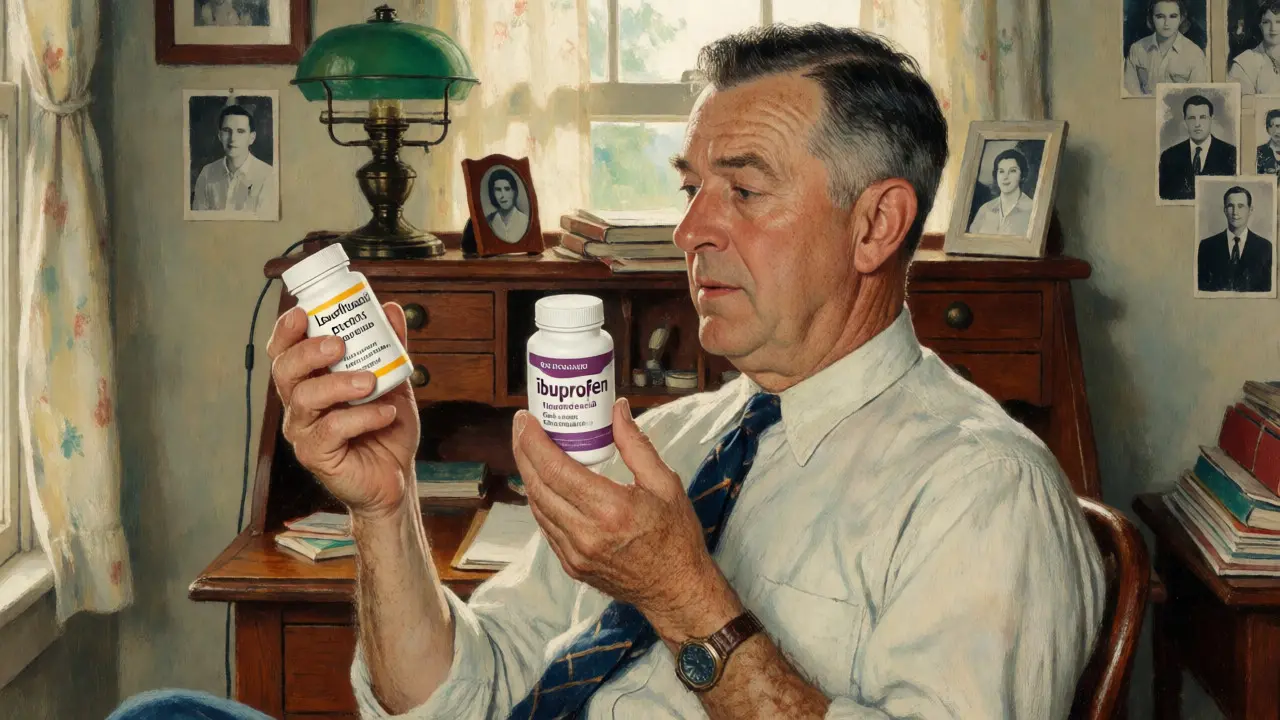
Imagine you’re dealing with a stubborn urinary tract infection or a respiratory bug. Your doctor hands you a prescription for levofloxacin, a fluoroquinolone antibiotic often prescribed for its broad-spectrum effectiveness. You pop the first pill, maybe take some ibuprofen for the fever, and think nothing of it. But three days later, your heel feels like someone tied a knot in it. By day ten, that "knot" is a complete Achilles tendon rupture. This isn't just bad luck; it's a known, serious interaction between specific antibiotics and painkillers that many patients overlook.
The core problem here isn't just one drug-it’s the combination. While fluoroquinolones, a class of synthetic antibiotics used to treat bacterial infections, are powerful tools against bacteria, they carry a black-box warning for tendon damage. When you add NSAIDs (non-steroidal anti-inflammatory drugs) like ibuprofen or naproxen to the mix, you might be amplifying the risk, though the exact synergy is still being studied. If you're over 60, have kidney issues, or are on steroids, this cocktail becomes even more volatile. Let’s break down what’s happening in your tendons and how to stay safe.
Why Fluoroquinolones Attack Tendons
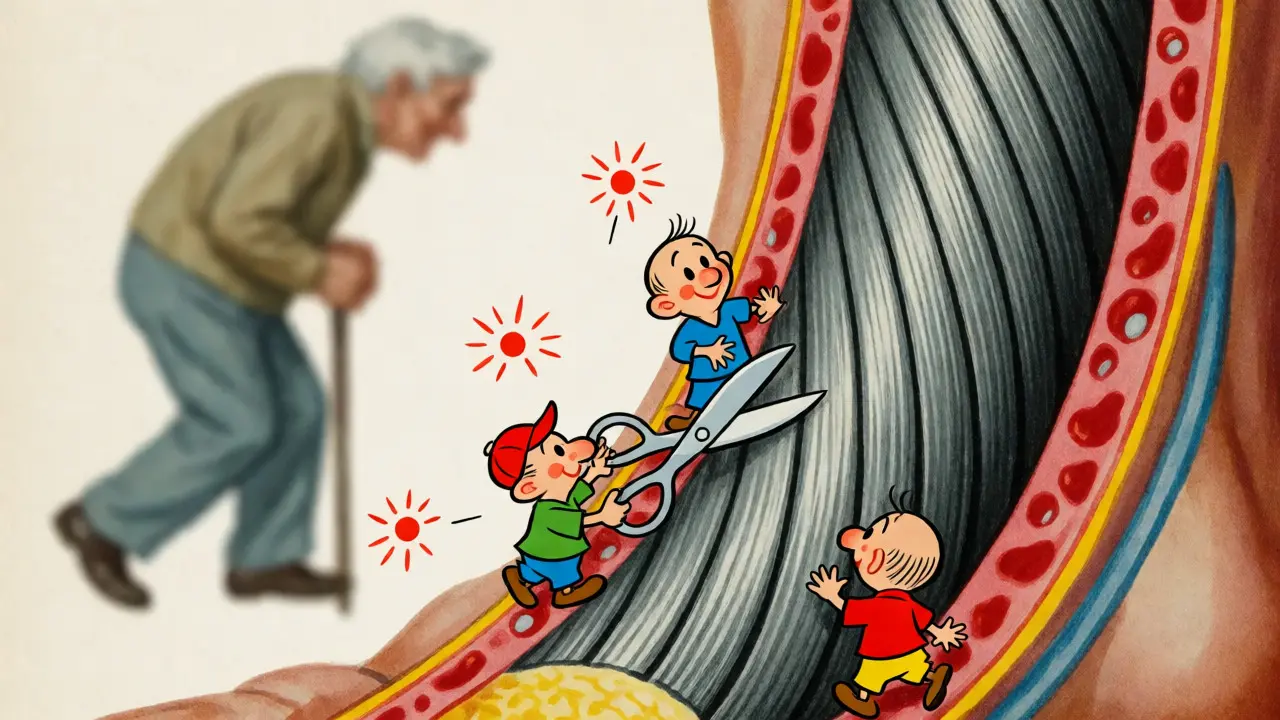
You might wonder why an antibiotic designed to kill bacteria would hurt your connective tissue. The answer lies in how these drugs work at a cellular level. Fluoroquinolones inhibit bacterial DNA replication, but human cells aren't entirely immune to their side effects. Research indicates that these drugs trigger the release of enzymes called matrix metalloproteinases (MMPs), specifically MMP-2 and MMP-9. These enzymes break down collagen, the primary structural protein in your tendons.
Think of your tendon as a steel cable wrapped in protective rubber. Fluoroquinolones essentially dissolve the rubber coating and weaken the steel strands. This process, known as collagen degradation, makes the tendon brittle and prone to snapping under normal stress. It’s not always immediate. The median time from starting the medication to feeling pain is about six days, but symptoms can appear up to several months after you’ve finished the course. The Achilles tendon is the most common victim, involved in nearly 90% of reported cases, often affecting both legs simultaneously.
The Role of NSAIDs in the Mix
This is where things get tricky. Most people reach for NSAIDs when they feel pain or inflammation. If you start experiencing mild tendon pain while on ciprofloxacin, your instinct might be to take ibuprofen. However, NSAIDs interfere with prostaglandin synthesis, which plays a role in tendon healing and blood flow. While corticosteroids are definitively known to increase rupture risk when combined with fluoroquinolones, the interaction with NSAIDs is less clear-cut but highly concerning in clinical practice.
Some studies suggest that NSAIDs might mask the early warning signs of tendinitis-the swelling and sharp pain-allowing you to continue stressing the weakened tendon until it fails completely. Other research points to oxidative stress. Both fluoroquinolones and certain NSAIDs can generate free radicals. When these two forces collide, they may accelerate the death of tenocytes (tendon cells). So, while the FDA black box explicitly warns against concurrent corticosteroid use, using NSAIDs requires caution because they don't heal the underlying collagen damage; they only hide the symptoms.
Not All Antibiotics Are Created Equal
Here is a crucial distinction many patients miss: the risk varies significantly depending on which fluoroquinolone you take. A 2022 study published in BMJ Open analyzed thousands of prescriptions and found that ciprofloxacin and moxifloxacin did not show a statistically significant increased risk of tendon rupture compared to other antibiotics. In contrast, levofloxacin was associated with a 120% increased risk for Achilles tendon rupture.
Furthermore, newer third-generation fluoroquinolones appear safer than older first- and second-generation options. If you are prescribed levofloxacin, be extra vigilant. If you are on ciprofloxacin, the risk is lower, but not zero. Always ask your pharmacist if there is a lower-risk alternative available for your specific infection. Sometimes, a simple switch in medication can eliminate the danger entirely.
| Medication | Tendon Rupture Risk Signal | Notes |
|---|---|---|
| Levofloxacin | High | Associated with 120% increased risk for Achilles rupture in recent studies. |
| Ciprofloxacin | Moderate/Low | Higher signal for tendinitis pain, but lower confirmed rupture rates in some analyses. |
| Moxifloxacin | Low | Often considered safer regarding tendon toxicity in comparative studies. |
| Norfloxacin | Variable | Risk exists but is generally lower due to limited systemic absorption. |
Who Is Most at Risk?
If you are young, healthy, and active, your risk is relatively low. But certain factors act as multipliers. Age is the biggest one. Patients over 60 face a 3.8-fold greater risk of Achilles tendinitis or rupture. Why? Because tendons naturally lose elasticity and blood supply as we age, making them slower to repair any chemical damage.
Other high-risk groups include:
- Kidney Disease Patients: Poor renal function means the drug stays in your system longer, increasing exposure time to toxic metabolites.
- Transplant Recipients: Often on immunosuppressants and steroids, creating a perfect storm for tendon weakness.
- Steroid Users: Concurrent use of prednisone or other corticosteroids dramatically increases rupture likelihood.
- Athletes: High mechanical load on tendons combined with chemical weakening equals a higher chance of failure.
If you fall into any of these categories, having a frank conversation with your prescriber before filling the script is non-negotiable. Ask if a different class of antibiotic could work. For many common infections, alternatives exist.
Spotting the Warning Signs Early
Time is tissue. Once you feel that familiar ache in your heel or shoulder, stop taking the antibiotic immediately. Do not push through the pain. The classic presentation includes sudden onset of pain, swelling, or bruising near the affected tendon. Some people describe a "pop" sound, similar to a gunshot, followed by an inability to stand on tiptoes.
Be aware that symptoms can be subtle. It might start as general leg soreness or stiffness in the morning. Don't dismiss it as "just aging." If you are on a fluoroquinolone and develop new musculoskeletal pain, assume it is related until proven otherwise. Call your doctor the same day. They will likely advise stopping the drug and immobilizing the limb. Crucially, do not inject steroids into the area, as this can precipitate rupture.

Practical Steps for Safe Recovery
If you suspect tendon involvement, here is your action plan:
- Stop the Medication: Contact your provider immediately. Do not finish the course unless directed.
- Rest and Immobilize: Avoid weight-bearing activities. Use crutches if necessary to offload the tendon.
- Avoid NSAIDs Initially: While they reduce pain, they may hinder healing. Acetaminophen is often preferred for pain control during the acute phase.
- Physical Therapy: Once acute pain subsides, guided rehab helps restore strength without re-injury.
Recovery can be slow. Full return to activity might take months. Patience is key. Rushing back to the gym too soon is the most common cause of re-rupture.
Frequently Asked Questions
Can I take ibuprofen with ciprofloxacin?
You can, but proceed with caution. While ciprofloxacin has a lower tendon rupture risk than levofloxacin, combining it with NSAIDs can mask early signs of tendinitis. Monitor your body closely for any new joint or tendon pain, and consult your doctor if discomfort arises.
How long does tendon pain last after stopping fluoroquinolones?
Symptoms can persist for weeks or even months after discontinuation. In severe cases involving actual rupture, recovery may take six months to a year. Mild tendinitis often resolves within a few weeks with rest, but persistent pain requires medical evaluation to rule out permanent damage.
Is levofloxacin worse than ciprofloxacin for tendons?
Current evidence suggests yes. Several large-scale studies indicate levofloxacin carries a significantly higher risk of Achilles tendon rupture compared to ciprofloxacin. Ciprofloxacin is more commonly associated with milder tendinitis symptoms rather than catastrophic ruptures.
Does exercise increase the risk of rupture?
Yes. Physical activity places mechanical stress on tendons. If the collagen structure is weakened by fluoroquinolones, normal exercises like running or jumping can exceed the tendon's reduced tensile strength, leading to tears. Rest is recommended during treatment.
Are topical NSAIDs safer than oral ones?
Topical NSAIDs have lower systemic absorption, potentially reducing the overall burden on the body. However, they still affect local tissue chemistry. While theoretically safer, they should not be relied upon to ignore worsening tendon pain while on antibiotics.
Eric Schultze
September 2, 2026 AT 23:45It is frankly astonishing that we are still having this conversation in a modern medical landscape.
The pharmaceutical industry has known about the collagen-degrading properties of fluoroquinolones for decades, yet they continue to push these drugs as first-line treatments for conditions that often resolve on their own. We are not dealing with some obscure side effect here; we are dealing with a systemic failure of pharmacovigilance and corporate greed. The fact that levofloxacin carries such a high risk profile while being prescribed with reckless abandon suggests that patient safety is secondary to profit margins.
Furthermore, the interaction with NSAIDs is not merely a 'caution'; it is a contraindication in my professional opinion. When you introduce prostaglandin inhibitors into a system already compromised by matrix metalloproteinase activation, you are effectively removing the body's ability to signal distress. This is not bad luck. This is negligence.
We must demand better transparency from prescribers who fail to screen for renal function or age-related tendon elasticity before handing out these prescriptions. The black box warning exists, but it is clearly insufficient given the prevalence of irreversible damage reported in literature. Patients are treated like data points rather than human beings with complex biological systems. It is time to stop normalizing iatrogenic injury caused by over-prescription of broad-spectrum antibiotics when narrow-spectrum alternatives exist. The arrogance of assuming every bacterial infection requires a fluoroquinolone is killing our tendons.
Jeremy Westcott
September 3, 2026 AT 10:16Dude, I swear the FDA is just there to rubber-stamp whatever Big Pharma wants us to swallow next 🤡
My buddy took Levaquin for a simple sinus thing-something that probably would have cleared up if he just drank water and slept-and ended up with Achilles issues that lasted longer than his marriage. He popped Advil thinking he was toughing it out, but really he was just numbing the scream of his dying collagen fibers. It’s like they want us to think it’s random bad luck, but look at the stats. Levofloxacin isn't an antibiotic; it's a tendon grenade with the pin pulled. And don’t get me started on how doctors barely glance at your chart before scribbling the script. They’re too busy counting copays to notice you’re over 60 and on steroids. Wake up! They’re selling us a cure that breaks us so they can sell us a crutch later. 📉🦴
Amanda SF
September 3, 2026 AT 14:38This article is painfully superficial and misses the critical nuance of individual genetic polymorphisms affecting drug metabolism.
While the author correctly identifies MMP-2 and MMP-9 involvement, they completely ignore the role of CYP450 enzyme variations which dictate half-life exposure in susceptible populations. To suggest that simply stopping the medication resolves the issue is a gross oversimplification of chronic fluoroquinolone-associated disability (CFAD). Many patients suffer from permanent mitochondrial dysfunction long after the drug is cleared. Furthermore, the comparison between ciprofloxacin and levofloxacin lacks the necessary context regarding dosage-dependent toxicity thresholds. One cannot simply dismiss the risk based on generic class distinctions without addressing bioavailability differences. It is disappointing to see such a complex biochemical pathway reduced to a basic consumer advice column. We need more rigorous discussion on oxidative stress markers, not just anecdotal warnings about ibuprofen.
Neil Martin
September 5, 2026 AT 03:35Absolutely spot on regarding the masking effect of NSAIDs. 😟
I’ve seen countless cases where patients present with what looks like simple tendinitis, but upon deeper inquiry, they were managing pain with naproxen while continuing to walk on a degraded tendon structure. The lack of inflammatory feedback loop prevents proper healing response. It’s crucial to emphasize that acetaminophen, while less effective for inflammation, does not interfere with prostaglandin-mediated repair mechanisms to the same extent. We really need to shift the paradigm away from 'treat the symptom' toward 'preserve the structural integrity.' The anxiety patients feel when they hear 'black box warning' is justified, but often misdirected; it should be directed at the prescriber’s lack of due diligence in selecting appropriate agents for high-risk demographics. 💔🩺
Rebecca Makayla Crane
September 7, 2026 AT 01:51Omg yes!! 😱 The way they hide the side effects in tiny print is actually criminal behavior IMO.
I had a friend who ruptured her Achilles doing nothing but walking to the mailbox because she ignored the 'tightness' in her calf. She thought it was just aging, lol. But honestly? Doctors act like these drugs are magic bullets. They prescribe them for everything under the sun without checking if you're even on steroids. It’s like they don’t care if you can walk afterward. 🙄💅 Also, why do they always pair it with ibuprofen recommendations? Like, did no one read the interaction studies? It feels personal at this point. My skin broke out from just reading this, imagine living with it. ✨🚫💊
Shu Chowdhury
September 9, 2026 AT 00:40this is really important info
i hope everyone checks their meds list carefully before taking anything new especially if you have kidney stuff going on
my mom had similar issues years ago and it was so scary watching her struggle to walk again
rest is key even though its hard to be still
thanks for sharing this reminder 🙏❤️
Somnath Thombre
September 10, 2026 AT 05:17hey guys great post 👍
really helpful for those of us who dont know much about med interactions. i always take paracetamol instead of ibuprofen now just to be safe. its better to be cautious right? 😅
also nice table btw made it easy to understand which drug is worse. keep up the good work!
Neil Sahli
September 10, 2026 AT 15:03Oh, fantastic! Another reason to fear every pill bottle in the medicine cabinet! 🎉
Because clearly, the solution to a bacterial infection is to potentially snap your heel cord, right? Why bother with hygiene or immune support when you can just gamble with your connective tissue? I love how we normalize 'wait and see' until something catastrophic happens. Keep pushing those fluoroquinolones, docs! Your patients’ ankles will thank you... eventually... maybe... if they ever walk normally again. 😂👏
Amanda SF
September 10, 2026 AT 23:50To address the previous comments: dismissing this as mere 'luck' or 'negligence' ignores the multifactorial nature of idiosyncratic reactions.
While Eric raises valid points about prescribing habits, blaming the entire industry overlooks the difficulty in predicting individual susceptibility without genomic testing. Jeremy's conspiracy theory approach detracts from the actual clinical data showing dose-response relationships. Rebecca's emotional reaction is understandable but lacks scientific grounding regarding the mechanism of action. Neil Martin correctly identifies the NSAID masking issue, but fails to mention that topical NSAIDs may offer a safer alternative for localized pain management, albeit with limited evidence in this specific context. Shu Chowdhury's sentiment is sweet, but anecdotes do not constitute evidence-based practice. Somnath's suggestion of paracetamol is sound, but we must also consider hepatic load in elderly patients. Ultimately, we need personalized medicine, not blanket bans or panic-driven avoidance. The science is nuanced, not binary.