Future Biosimilars: Upcoming Patent Expirations and Market Entry
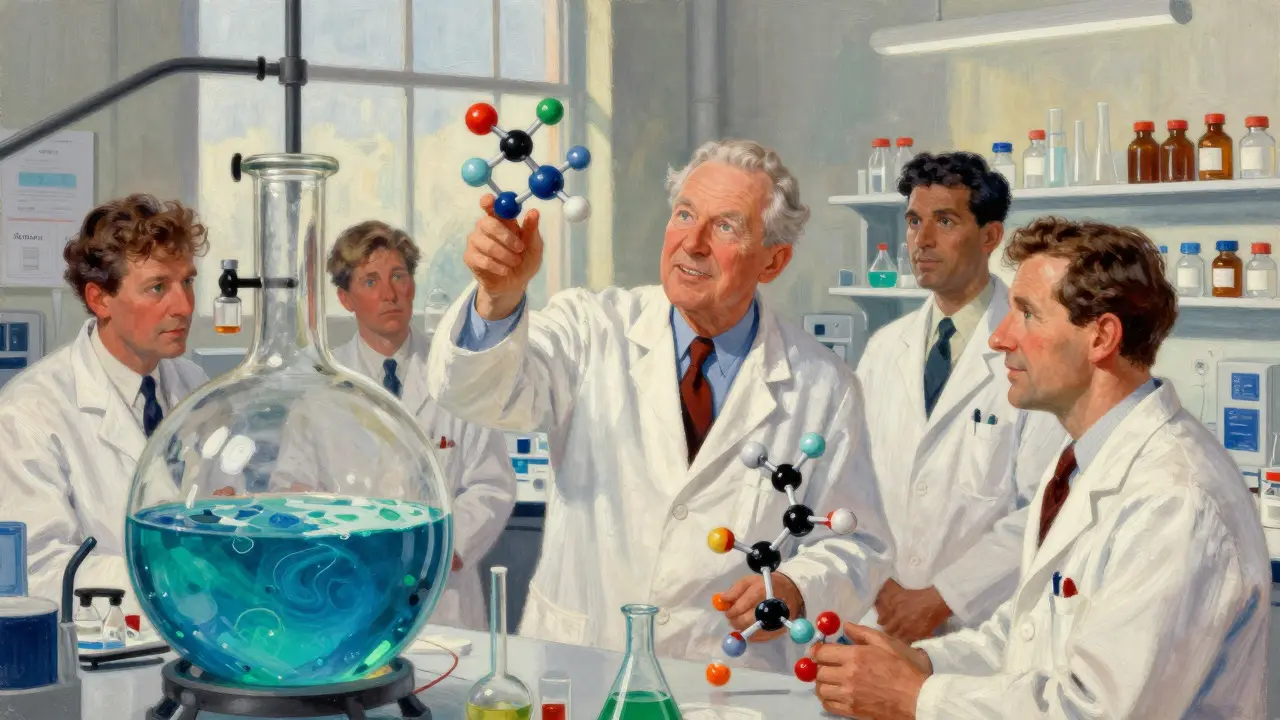
Imagine a world where the cost of life-saving cancer drugs drops by nearly half within five years. That isn't science fiction; it’s the reality unfolding in the pharmaceutical industry as we approach a massive patent cliff. Between 2025 and 2030, blockbuster biologics worth over $200 billion in annual global sales will lose their exclusive market protection. This shift is setting the stage for an unprecedented wave of biosimilar entries, promising to reshape how patients access high-cost therapies like Keytruda and Eylea.
Biosimilars are not just cheaper versions of existing drugs. They are complex biological products highly similar to an already approved reference biologic, with no clinically meaningful differences in safety, purity, or potency. Defined under the Biologics Price Competition and Innovation Act (BPCIA) of 2009, these products offer a crucial alternative to expensive originator biologics. As we stand on the brink of this transition, understanding who is entering the market, when, and what it means for your wallet is essential.
The Scale of the Coming Patent Cliff
The term "patent cliff" refers to the steep drop in revenue companies face when their flagship drugs lose patent protection. For biologics, this event is particularly dramatic because these molecules are large, complex proteins that take longer and more money to develop than traditional small-molecule generics. According to Clival's 2024 analysis, the upcoming expiration window covers some of the most profitable drugs in history. Merck’s Keytruda, for instance, projected $25.5 billion in sales in 2024 alone before its primary patent expires in 2028. Regeneron’s Eylea, used for eye diseases, saw $5.9 billion in U.S. sales in 2023 before its 2025 expiration.
This isn't just about one or two drugs. It’s a systemic shift. The RAND Corporation projects that biosimilar adoption could save the U.S. healthcare system up to $250 billion over the next decade. Why such a huge number? Because biologics currently account for a disproportionate share of drug spending. When these patents lapse, competitors can enter with products priced 15-35% lower than the original, creating immediate pressure on pricing across the board.
Key Players and Strategic Moves
Who is leading this charge? The landscape is dominated by specialized biosimilar developers and major pharma spinoffs. Sandoz, spun off from Novartis, has become a market leader, holding roughly 28% share after acquiring Biocon’s biosimilars business for $3.9 billion in August 2024. Other key players include Samsung Bioepis, Celltrion, and Coherus BioSciences. These companies aren't just waiting for patents to expire; they are actively investing billions in manufacturing infrastructure.
Samsung Bioepis, for example, invested $450 million in a facility in Incheon, South Korea, specifically designed for biosimilar production. This infrastructure is critical because making a biosimilar requires precise control over post-translational modifications-chemical changes that happen after the protein is made. If you’re using pembrolizumab (Keytruda), for instance, the biosimilar must match the exact glycosylation patterns of Merck’s original antibody to maintain efficacy in cancer immunotherapy. One wrong sugar molecule attached to the protein can change how the drug works in the body.
| Reference Product | Originator Company | Patent Expiration | Projected Sales (Pre-Entry) | Key Competitors |
|---|---|---|---|---|
| Keytruda (Pembrolizumab) | Merck | 2028 | $25.5 Billion (2024) | Coherus, Alvotech |
| Eylea (Aflibercept) | Regeneron | 2025 | $5.9 Billion (2023 US) | Biocon, Samsung/Biogen |
| Cosentyx (Secukinumab) | Novartis | 2029 (US) | $7+ Billion Global | Samsung Bioepis |
Regulatory Pathways and Approval Timelines
Getting a biosimilar to market is a rigorous process. In the U.S., the FDA uses the 351(k) approval pathway, which typically takes 12-18 months for review after submission. However, the total timeline from candidate selection to commercial launch often spans 7-10 years, with development costs ranging from $150 to $250 million per product. This high barrier to entry explains why there are fewer biosimilar competitors compared to generic small-molecule drugs.
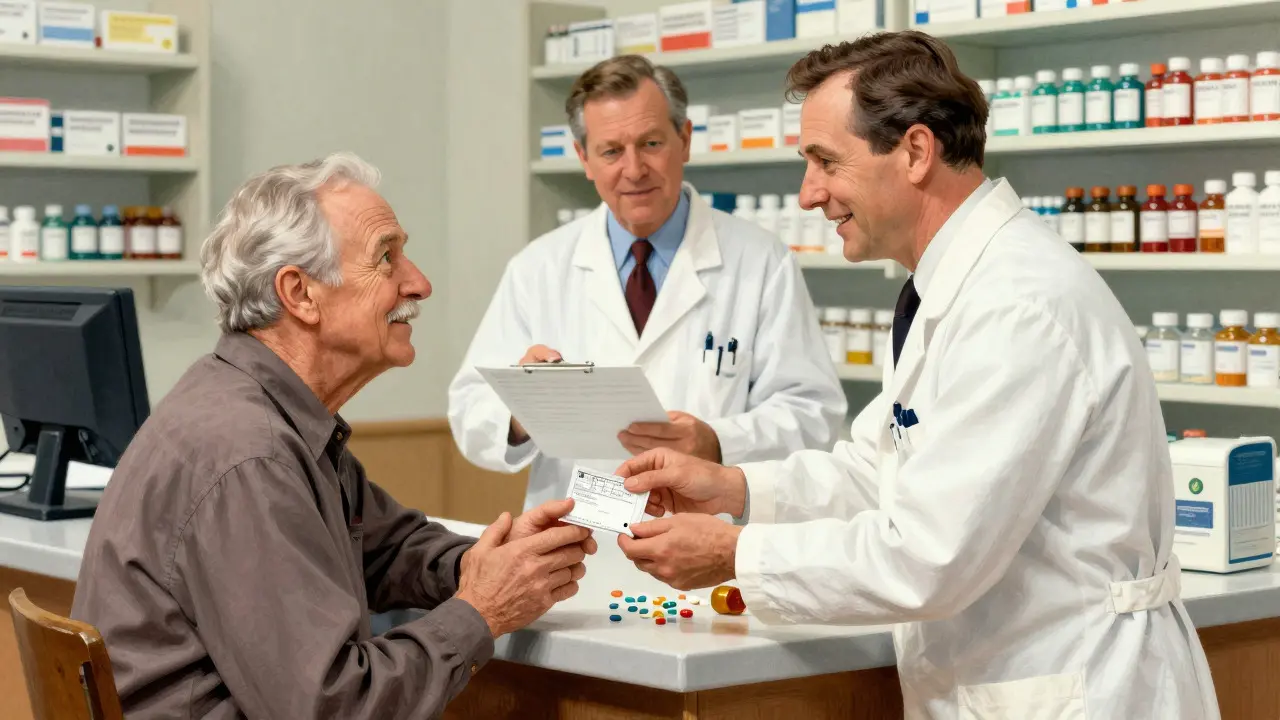
The FDA’s Purple Book database lists all approved biosimilars. As of late 2025, it contains 47 approved biosimilars and 12 interchangeable products. Interchangeability is a specific designation that allows pharmacists to substitute a biosimilar for the reference product without consulting the prescriber, provided state laws allow it. This distinction matters for hospital formulary decisions and patient convenience. The European Medicines Agency (EMA) has been faster, with 82 approved biosimilars in the EU, reflecting different reimbursement policies that favor early substitution.
Market Impact by Therapeutic Area
Not all drug categories react the same way to biosimilar entry. Autoimmune diseases have seen rapid adoption. After Humira (adalimumab) lost exclusivity in 2023, twelve FDA-approved biosimilar versions captured 80% of new prescriptions within 18 months, according to IQVIA data. This speed was driven by clear clinical evidence and payer incentives.
Oncology presents a more complex picture. Drugs like Opdivo (nivolumab) are often used in combination with chemotherapy regimens. Biosimilars in this space must demonstrate compatibility with multiple other agents, raising the bar for clinical trials. Dr. Mark McClellan, Director of the Duke-Margolis Center for Health Policy, warned at a March 2025 FDA workshop about potential "therapeutic substitution risks" in complex oncology cases where minor structural differences might impact efficacy. Yet, real-world data suggests otherwise. At the American Society of Clinical Oncology 2024 meeting, Dr. Laura Chow reported excellent equivalence between Humira and its biosimilars in inflammatory bowel disease patients, while Mass General Brigham saw biosimilar utilization jump from 12% to 68% after implementing mandatory substitution protocols for G-CSF products.
Pricing Strategies and Payer Dynamics
Price is the primary driver of biosimilar adoption, but the mechanism is nuanced. Biosimilars typically launch at a 15-35% discount to the reference product. Sandoz’s Enbrel biosimilar launched at a 35% discount in 2023. However, the actual savings to the patient depend heavily on payer policies. In the U.S., Medicare Part B reimburses based on Average Sales Price (ASP), which can create perverse incentives where providers profit more from higher-priced reference products. This contributes to an 18-month lag between approval and meaningful market penetration.
To combat this, payers are getting aggressive. Centene Corporation mandated biosimilar use for all new patients on tumor necrosis factor inhibitors in 2025. Cigna’s Medicare Advantage plans now offer $0 copays for biosimilars versus $50 for reference products. These moves signal a shift toward value-based contracting, where savings are shared between manufacturers, payers, and providers. For patients, this translates to lower out-of-pocket costs and better access to chronic therapy.

Challenges and Risks Ahead
Despite the optimism, hurdles remain. Originator companies employ sophisticated lifecycle management strategies to delay competition. Merck’s Keytruda portfolio includes 237 patents with staggered expirations through 2035. Bristol Myers Squibb secured pediatric exclusivity extensions pushing Eliquis protection to 2029. These "patent thickets" force biosimilar developers into costly litigation, sometimes delaying entry by years. The 2020 Eliquis litigation, for example, postponed generic competition by four years.
There is also the issue of "product hopping." Originators may launch newer, slightly improved versions of their drugs just before patent expiration, forcing doctors and patients to switch to the new molecule rather than the older one’s biosimilar. Evercore ISI’s 2024 analysis suggests this strategy could limit biosimilar penetration to only 45%, compared to SVB Leerink’s projection of 65% within 24 months of entry. Resolving these disputes will require regulatory clarity and stronger enforcement against anti-competitive practices.
What This Means for Patients and Providers
For healthcare providers, the influx of biosimilars means more options but also more administrative complexity. Hospitals need 6-12 months to update electronic health records with substitution protocols. Kaiser Permanente implemented mandatory biosimilar substitution for filgrastim products in 2024, citing efficiency gains. For patients, the main benefit is cost reduction. A survey by the Cancer Support Community found that 78% of respondents were satisfied with biosimilar cost savings, though 34% reported confusion about substitution policies. Education remains a key gap.
As we move closer to 2028, the market will test whether these theoretical savings materialize. The Congressional Budget Office estimates Medicare savings of $51 billion from 2026-2035 due to upcoming entries. Whether we hit that target depends on resolving reimbursement disincentives and ensuring smooth transitions for patients. The future of biosimilars isn't just about cheaper drugs; it's about a more sustainable healthcare system capable of handling the rising costs of innovative biology.
Are biosimilars exactly the same as the original biologic?
They are highly similar but not identical. Due to the complexity of biological manufacturing, tiny variations in structure (like glycosylation patterns) are inevitable. However, regulations ensure these differences are not clinically meaningful in terms of safety, purity, or potency.
When will Keytruda biosimilars be available?
Keytruda’s primary patent expires in 2028. Several companies, including Coherus BioSciences, are conducting Phase 3 trials and expect to submit applications shortly after expiration, with market entry likely in 2028 or early 2029.
How much cheaper are biosimilars compared to reference products?
Biosimilars typically launch at a 15-35% discount to the reference product price. Actual patient savings vary based on insurance coverage and payer policies, but list prices are consistently lower.
Can my pharmacist substitute a biosimilar for my prescribed biologic?
Only if the biosimilar is designated as "interchangeable" by the FDA and allowed by state law. There are currently 12 interchangeable products in the U.S. For non-interchangeable biosimilars, the prescriber must explicitly order the switch.
Why do some doctors hesitate to prescribe biosimilars?
Concerns often stem from unfamiliarity with the specific biosimilar version or fear of switching patients mid-treatment. However, real-world data for established biosimilars like those for Humira show strong equivalence, and many health systems now mandate their use to reduce costs.