Gabapentinoids and Opioids: The Hidden Danger of Combined Respiratory Depression
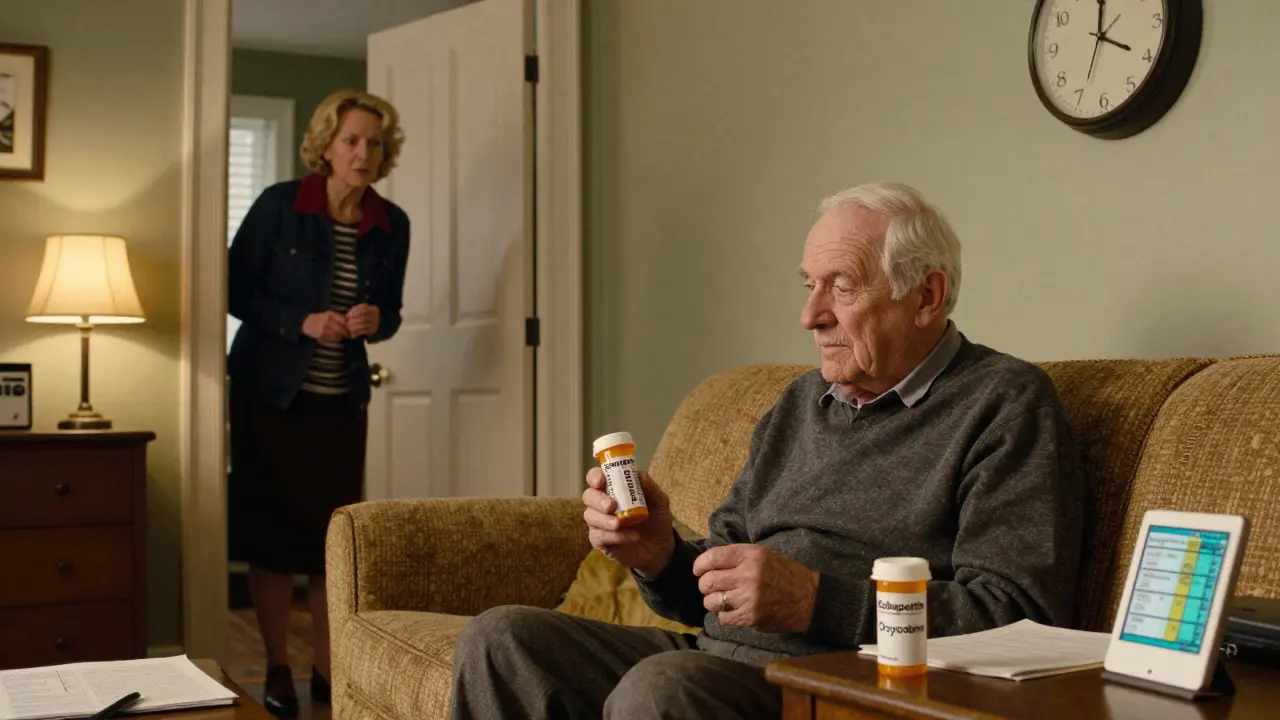
Gabapentinoid-Opioid Risk Checker
Understand Your Risk
This tool estimates your risk of respiratory depression when taking both gabapentinoids (gabapentin or pregabalin) and opioids. Based on information from FDA warnings and clinical studies, your risk increases with age, kidney problems, and other medications.
Important: This is not a medical diagnosis. Always consult your doctor before making changes to your medications.
When you take gabapentin or pregabalin for nerve pain, and your doctor adds an opioid like oxycodone or hydrocodone for extra relief, you might think you’re getting better pain control. But what you’re really doing is stacking two drugs that can quietly shut down your breathing-especially if you’re older, have lung disease, or kidney problems. This isn’t theoretical. It’s happening in hospitals, clinics, and homes across the country. And it’s killing people.
What Are Gabapentinoids?
Gabapentin (Neurontin, Gralise) and pregabalin (Lyrica) are medications originally developed for seizures. Today, they’re mostly prescribed for nerve pain-diabetic neuropathy, shingles pain, fibromyalgia. They’re not opioids. They don’t bind to the same brain receptors. But they still slow down your central nervous system. And that’s the problem.
Both drugs are eliminated by the kidneys. That means if your kidneys aren’t working well-which is common in older adults or people with diabetes-you can build up dangerous levels even at normal doses. Pregabalin is absorbed faster than gabapentin, and both can cause drowsiness, dizziness, and blurred vision. But the real danger? Their ability to depress breathing, especially when mixed with opioids.
The FDA Warning You Might Not Have Heard
In April 2019, the U.S. Food and Drug Administration issued a bold safety alert: gabapentinoids can cause serious, even fatal, respiratory depression. Not just when combined with opioids-but sometimes on their own.
The FDA looked at over 5 years of adverse event reports. They found 49 cases of breathing problems linked to gabapentinoids. In 92% of those cases, the patient was also taking another CNS depressant-most often an opioid. In 24% of the cases, the person died. Every single one of those deaths involved either an opioid, another sedative, or an existing breathing problem like COPD or sleep apnea.
The label for every gabapentinoid product now includes this warning. But most patients never read the fine print. And many doctors still prescribe them together without thinking twice.
Why This Combination Is So Dangerous
Opioids slow breathing by acting on brainstem receptors that control the drive to breathe. Gabapentinoids don’t work the same way, but they still reduce the brain’s overall activity. When you take both, the effect isn’t just added-it’s amplified.
A 2017 study in PLOS Medicine tracked over 16 years of patient data. It found that people taking both gabapentin and an opioid had a 50% higher chance of dying from an opioid-related cause. If they were on high doses of gabapentin? The risk jumped to nearly double.
Another study gave healthy volunteers pregabalin and remifentanil (a powerful opioid) in controlled settings. The combination caused a measurable rise in carbon dioxide levels in the blood-meaning breathing was becoming less effective. Even a single dose of gabapentin increased the number of breathing pauses during sleep in older adults.
There’s also a sneaky pharmacokinetic effect: opioids slow down gut movement. That means gabapentin lingers longer in the part of the intestine where it’s absorbed. More drug enters your bloodstream than expected. Your body gets hit with a higher dose than prescribed.

Who’s at Highest Risk?
This isn’t a risk for everyone. But for certain groups, it’s life-threatening:
- People over 65-Aging lungs and slower metabolism make breathing harder to maintain.
- Those with COPD, asthma, or sleep apnea-Their bodies are already struggling to get enough oxygen.
- Patients with kidney disease-Gabapentin and pregabalin aren’t cleared properly, so levels build up.
- People on high doses-Doses above 1,800 mg/day of gabapentin or 300 mg/day of pregabalin are especially risky.
- Those taking other sedatives-Benzodiazepines, alcohol, sleeping pills, or antipsychotics make it worse.
Even people who’ve been on opioids for years aren’t safe. Gabapentinoids can reverse opioid tolerance, meaning your body suddenly becomes more sensitive to the respiratory effects of the opioid you’ve been taking for months.
How Common Is This Practice?
Shockingly common.
In 2017, nearly one in five new gabapentin prescriptions came with an opioid. For pregabalin, it was nearly one in four. That’s over 1.5 million people in the U.S. alone being given this dangerous combo.
Why? Because doctors were trying to reduce opioid use. The CDC’s 2016 guidelines pushed prescribers toward non-opioid pain options. Gabapentinoids seemed like a safe alternative. But instead of replacing opioids, they were often added on top.
And here’s the kicker: there’s little evidence that gabapentinoids actually make opioids work better for pain. A 2020 analysis of over 5.5 million surgical patients found no consistent benefit in pain control when gabapentinoids were added to opioids. In fact, the evidence was described as “equivocal.” So you’re increasing risk without guaranteed reward.
What Should You Do If You’re Taking Both?
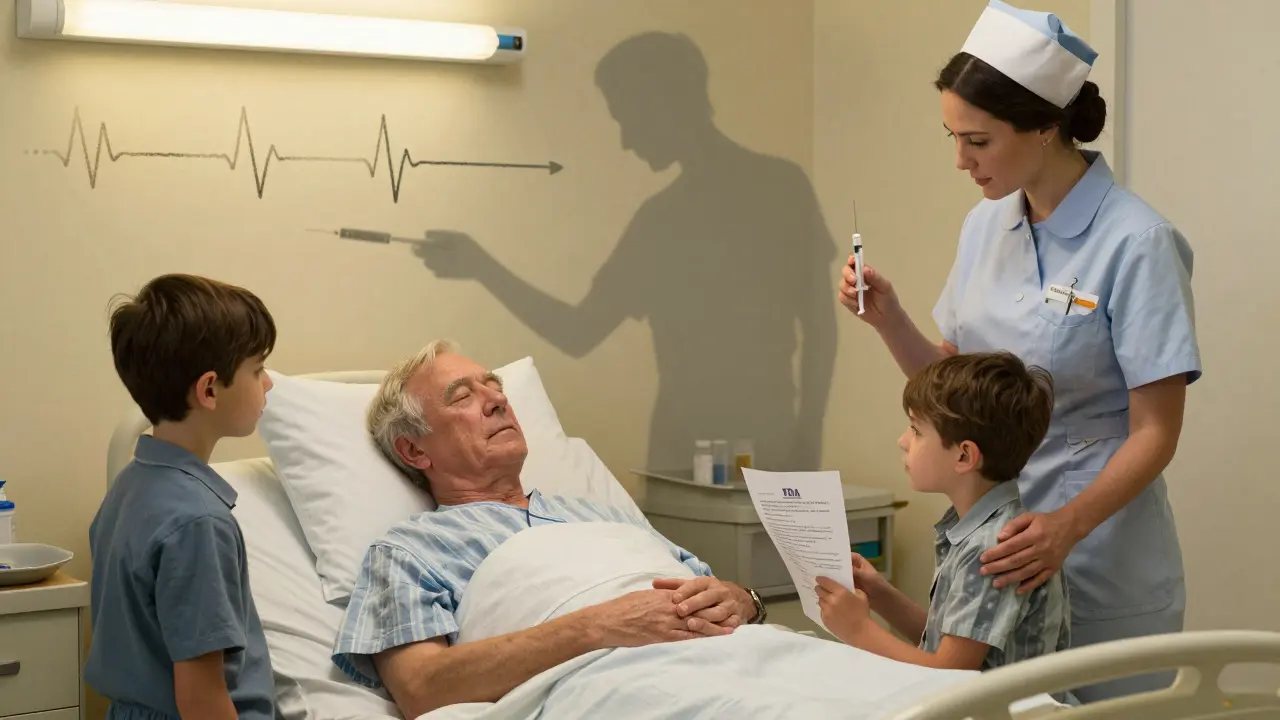
If you’re on gabapentin or pregabalin and also taking an opioid-don’t stop suddenly. Withdrawal can be dangerous. But do talk to your doctor. Ask these questions:
- Why am I on both medications?
- Is there a safer alternative for my pain?
- Have my kidneys been checked recently?
- Am I on the lowest effective dose?
Doctors should start gabapentinoids at the lowest possible dose and increase slowly-especially in older adults or those with kidney issues. Pregabalin should be reduced if creatinine clearance is below 60 mL/min. Gabapentin needs adjustment if it’s below 70 mL/min.
Watch for signs of trouble: excessive drowsiness, confusion, slow or shallow breathing, blue lips or fingertips. If you notice these, get help immediately.
Are There Safer Alternatives?
Yes. For neuropathic pain, options like duloxetine (Cymbalta) or venlafaxine (Effexor) are antidepressants with proven pain relief and no respiratory risk. Topical treatments-lidocaine patches, capsaicin cream-can help localized nerve pain. Physical therapy, cognitive behavioral therapy, and acupuncture have strong evidence for chronic pain too.
For acute pain after surgery, non-opioid options like acetaminophen, NSAIDs (if kidneys allow), and nerve blocks are safer and just as effective in many cases.
The goal isn’t to eliminate all opioids or gabapentinoids. It’s to avoid combining them unless absolutely necessary-and even then, only with extreme caution.
The Bigger Picture
This isn’t just about two drugs. It’s about how the healthcare system works. When we rush to fill prescriptions without looking at the whole picture, we miss the hidden dangers. Gabapentinoids were seen as a simple fix for the opioid crisis. But they became part of a new one.
Regulators have sounded the alarm. Studies have confirmed the risk. Yet the prescriptions keep coming. That’s because pain is hard to treat. Doctors want to help. Patients want relief. But safety can’t be an afterthought.
Respiratory depression doesn’t always come with a gasp or a cry. Sometimes, it’s just quiet. A person falls asleep and never wakes up. That’s why this interaction is so deadly-it doesn’t look like an overdose until it’s too late.
If you’re on gabapentinoids and opioids, talk to your doctor today. Ask if you really need both. Ask if your dose is as low as it can be. Ask about alternatives. Your life might depend on it.
Joe Kwon
December 29, 2025 AT 10:09Gabapentinoids + opioids = pharmacokinetic nightmare. The CYP450-independent renal excretion of gabapentinoids combined with opioid-induced delayed gastric emptying creates a perfect storm for cumulative CNS depression. Especially in CKD patients, even therapeutic doses become toxic. The FDA’s 2019 alert was underwhelming-should’ve mandated black box warnings and EHR alerts at prescribing level. We’re still seeing 20% co-prescribing in primary care. It’s systemic failure.
Nicole K.
December 30, 2025 AT 09:42This is why people die. Doctors don’t care. They just write prescriptions. My uncle took both and died in his sleep. No one warned him. No one cares about old people.
Fabian Riewe
December 30, 2025 AT 20:25Real talk-I’ve seen this play out in ERs. A 72-year-old with diabetic neuropathy and COPD on 1200mg gabapentin + 10mg oxycodone. Comes in with O2 sats at 86%. No one’s checking renal function. No one’s asking about sleep apnea. We treat the numbers, not the person. It’s heartbreaking. But here’s the good news: switching to duloxetine or even topical capsaicin? Works better for some. And zero respiratory risk. Talk to your doc-don’t wait for a crisis.
Greg Quinn
January 1, 2026 AT 19:45It’s not just about the drugs-it’s about how we’ve outsourced suffering to chemistry. We want pain gone, not managed. So we stack pills like Jenga blocks, hoping the tower doesn’t fall. But the body doesn’t care about our urgency. It responds to biology, not intention. Gabapentinoids were sold as the ‘non-addictive’ fix, but they’re just another way to numb the noise. The real solution? Listening. To patients. To their bodies. To the quiet, slow collapse before the crash.
Manan Pandya
January 2, 2026 AT 06:08As a clinician in India, I see this pattern too. Gabapentin is cheap, accessible, and often prescribed for non-neuropathic pain. The lack of renal function monitoring is alarming. I always check eGFR before prescribing. For elderly patients, I start at 100mg daily of gabapentin and titrate over 2–4 weeks. Pregabalin? Only if no renal impairment and no history of sedation. The evidence is clear: avoid combination unless absolutely necessary. And even then, document informed consent.
Aliza Efraimov
January 3, 2026 AT 14:26I almost lost my dad because of this. He was on gabapentin for sciatica and oxycodone after his hip surgery. One night, he stopped breathing. We found him blue. He’s lucky to be alive. Now I scream at every doctor I meet: DON’T MIX THEM. The FDA warning? It’s buried in a 50-page PDF no one reads. We need posters in pharmacies. We need mandatory CME for prescribers. We need a national campaign. This isn’t a ‘risk’-it’s a massacre waiting to happen.
Nisha Marwaha
January 4, 2026 AT 04:53From a pharmacovigilance standpoint, this is a textbook case of polypharmacy risk escalation. The pharmacodynamic synergy between GABAergic agents and mu-opioid agonists results in additive/synergistic CNS depression. Renal clearance impairment (eGFR <60 mL/min) compounds exposure kinetics. The 2017 PLOS Medicine cohort study (n=1.6M) demonstrated HR 1.5 for all-cause mortality with concomitant use. The absence of analgesic synergy in surgical cohorts (JAMA Surg 2020) further invalidates routine co-prescribing. Mandatory eGFR screening + dose titration protocols are non-negotiable.
Paige Shipe
January 5, 2026 AT 22:46Actually, I think this article is a bit alarmist. I’ve been on both for years and I’m fine. My doctor knows what he’s doing. People should stop panicking and trust their physicians. Also, I don’t know why you keep saying ‘gabapentinoids’-it’s just gabapentin. And I don’t need to be lectured about kidney function-I’m healthy.