Green Coffee Extract and Stimulant Medications: Blood Pressure Risks
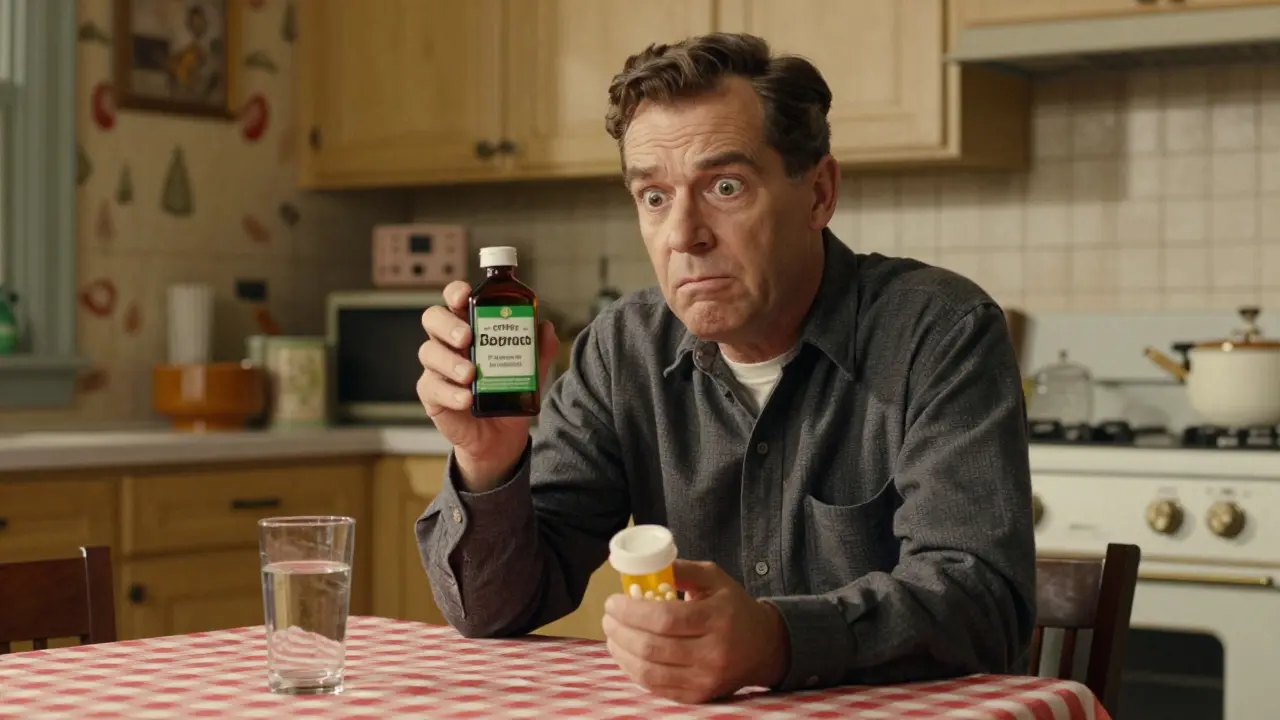
You might be taking a prescription stimulant for ADHD and decide to add a weight-loss supplement to your routine. Green coffee extract seems like a natural choice, but when you mix it with medications like Adderall or Ritalin, you aren't just adding a supplement-you're creating a pharmacological tug-of-war inside your cardiovascular system. While one tries to push your blood pressure up, the other pulls it down, and the result is often a chaotic swing in your readings that can leave you feeling dizzy or palpitations in your chest.
The Core Conflict: Push and Pull
To understand why this happens, we have to look at what these substances actually do. Green Coffee Extract is a supplement made from unroasted coffee beans (Coffea arabica) that is rich in chlorogenic acids and caffeine. Its main job, according to research in Hypertension Research, is actually to lower blood pressure. It does this by inhibiting the angiotensin-converting enzyme (ACE), which helps relax your blood vessels.
On the other side, you have Stimulant Medications, which are prescription drugs like methylphenidate and amphetamines used to treat ADHD by increasing dopamine and norepinephrine levels. These drugs are well-known for their "pressor effect," meaning they naturally raise your blood pressure. The FDA has noted that amphetamines can bump systolic pressure up by as much as 13 mmHg.
When you take both, you're essentially hitting the gas and the brake at the same time. This doesn't result in a "neutral" blood pressure; instead, it creates hemodynamic instability. Your body struggles to find a baseline, leading to the unpredictable readings reported by many users.
How This Affects Your Body
If you've ever felt a sudden burst of anxiety or a racing heart after taking your meds and a supplement, you're feeling the result of caffeine stacking. Most green coffee extracts contain between 5% and 20% caffeine. While that might not seem like much, adding 100-200 mg of caffeine from a supplement on top of a powerful stimulant like Vyvanse can push you past the safety threshold.
The European Food Safety Authority warns that combined sources of caffeine and other stimulants can exceed safe limits, especially for sensitive people. This often manifests as "blood pressure lability," where your numbers jump wildly throughout the day. One patient case reported in the Journal of Clinical Hypertension showed a man whose systolic pressure swung between 118 and 156 mmHg just by adding a green coffee supplement to his Adderall XR routine.
| Feature | Green Coffee Extract (GCE) | Stimulant Medications |
|---|---|---|
| Primary Effect | Lowers Blood Pressure (Depressor) | Raises Blood Pressure (Pressor) |
| Key Driver | Chlorogenic Acids (CGA) | Norepinephrine/Dopamine |
| Typical BP Change | -4 to -6 mmHg (Systolic) | +2 to +13 mmHg (Systolic) |
| Mechanism | ACE Inhibition | Vasoconstriction |
Real-World Red Flags
It's not just about the numbers on a monitor; it's about how you feel. People in the ADHD community often report a specific set of symptoms when they mix these two. Dizziness is a big one. When your blood pressure drops too quickly due to the chlorogenic acids in the extract, but then spikes due to the stimulant, your brain might not get a steady flow of oxygen.
Heart palpitations are another common complaint. This happens because both the caffeine in the extract and the prescription drug stimulate the heart's beta-receptors. According to Healthline's analysis of over 1,200 reports, nearly 28% of people combining these reported instability in their blood pressure, compared to only 8% of those just taking the medication alone. If you're experiencing a "fluttering" feeling in your chest, your heart is likely reacting to this chemical overload.
The Problem with Supplement Consistency
One of the scariest parts about using Chlorogenic Acids (the active compound in green coffee) is that you never truly know how much you're getting. ConsumerLab conducted quality testing on 15 popular brands and found a massive range: some had 28% chlorogenic acid, while others had over 51%.
This means that if you switch brands, you might accidentally double the dose of the compound that lowers your blood pressure. For someone on a carefully titrated dose of a stimulant, this variability can turn a stable day into a medical emergency. You aren't just dealing with a supplement; you're dealing with an unstandardized drug that interacts with a prescription medication.
What Should You Do If You're Taking Both?
If you are currently using both, the first step is to stop guessing. The American Heart Association explicitly recommends that patients on stimulants avoid green coffee extract unless a doctor is supervising them. Why? Because the interaction can mask a developing hypertension problem. If the extract is lowering your blood pressure, your doctor might think your stimulant dose is safe, while in reality, the drug is pushing your pressure to dangerous levels that are only being "hidden" by the supplement.
If your doctor clears you to try it, they will likely suggest a strict monitoring period. The European Society of Cardiology suggests checking your blood pressure twice a day for at least two weeks. You want to see readings consistently below 140/90 mmHg with very little variation-ideally less than 10 mmHg difference from day to day.
Keep a log of your readings and the exact time you take your meds and supplements. If you notice your systolic pressure jumping by more than 15-20 points within a few hours, that's a signal that your body is struggling with the interaction.
Can green coffee extract cancel out the side effects of ADHD meds?
It might seem like the blood-pressure-lowering effect of green coffee extract would "cancel out" the blood-pressure-raising effect of stimulants, but this is dangerous. Instead of a steady balance, you often get blood pressure lability, where your pressure fluctuates wildly. This instability can be harder on your heart than a consistent high reading.
Is the caffeine in green coffee extract a problem?
Yes. Both stimulants and green coffee extract affect your cardiovascular system. Adding 50-200 mg of caffeine to a prescription stimulant can lead to tachycardia (fast heart rate), increased anxiety, and hypertensive spikes, exceeding the safe daily thresholds set by agencies like the EFSA.
What are the most common symptoms of this interaction?
The most common signs include unexplained dizziness, heart palpitations, a racing pulse, and inconsistent blood pressure readings. Some users report feeling an intense "jitteriness" that is far worse than what they experience with their medication alone.
Are there safer alternatives for weight loss while on stimulants?
Because stimulants already increase your heart rate and blood pressure, any weight-loss supplement containing caffeine or other stimulants should be avoided. Focus on non-stimulant approaches like dietary changes and low-impact exercise, and always consult your cardiologist or prescribing physician before adding any herbal supplement.
How long does the blood pressure effect of GCE last?
Research indicates that effects on blood pressure can be observed after just two weeks of regular consumption. However, because the compounds are metabolized throughout the day, the interaction with your medication happens in real-time as both substances hit your bloodstream.
Srikanth Makineni
April 4, 2026 AT 16:04Too many people just wing it with supplements and then wonder why they feel like they're having a heart attack
jack hunter
April 5, 2026 AT 17:07imagine thinking your body is just a machine you can tune with pils. we are more than just chemical reactions but people love to ignore the spirit for the sake of a blood pressue reading. honestly the whole idea of "stability" is a lie told by big pharma to keep us docile
Brady Davis
April 5, 2026 AT 20:39Oh wow, truly groundbreaking stuff here. I'm sure the world was just waiting for someone to tell them that mixing stimulants with more stimulants might be a bad idea. Absolutely shocking. I'm practically trembling with surprise
Jay Vernon
April 6, 2026 AT 08:19Thanks for sharing this! 🌟 It's so important to stay safe with our health. Be careful everyone! ❤️🙏
Danielle Kelley
April 6, 2026 AT 09:48Notice how they focus on the "risks" of natural extracts but don't mention who actually profits from these "warnings"? They want us scared of natural alternatives so we keep paying for their overpriced prescription chemicals that destroy our brains while they laugh all the way to the bank! It's all a control tactic to keep the population sick and dependent!
Nikhil Bhatia
April 6, 2026 AT 20:19Too much text for a simple warning about caffeine
Timothy Burroughs
April 8, 2026 AT 02:27This is exactly why people fail in this country they have no discipline and try to cheat their way to weight loss with pills while ignoring the basic tenets of a warrior diet
You want a lower blood pressure stop eating processed garbage and start acting like a man who respects his own biology instead of relying on some bean extract from across the ocean
Jitesh Mohun
April 8, 2026 AT 05:28listen to the warnings or pay the price later when your heart gives out just because you wanted to lose five pounds quickly you gotta be smart about this stuff
Ruth Swansburg
April 9, 2026 AT 03:56Please prioritize your safety. It is vital to consult a professional before starting any supplement.
Dhriti Chhabra
April 10, 2026 AT 05:16It is truly commendable that this information is being disseminated to ensure the well-being of those managing ADHD. The complexity of pharmacological interactions often escapes the general public, and such guidance is essential for maintaining cardiovascular health. I believe that a collaborative approach between patients and their healthcare providers is the most prudent path forward to avoid these precarious hemodynamic swings.
shelley wales
April 12, 2026 AT 04:32I really appreciate how this breaks down the science simply. For anyone feeling overwhelmed, just remember that you can take small steps toward health without rushing into supplements. It's okay to take your time and work with your doctor to find what works for your unique body. We're all in this together and it's wonderful to see a community focusing on safety and mindful health choices. Just keep breathing and be patient with yourselves as you navigate these medications. You've got this and your health is worth the extra caution. Let's support each other in making the safest choices possible for our long-term wellness. Every little bit of awareness helps us all stay healthier and happier in the long run.