Herbal Teas and Medications: Potential Interactions to Review
Many people reach for herbal teas because they feel natural, gentle, and safe. Chamomile for sleep, peppermint for digestion, hibiscus for blood pressure - these aren’t just cozy rituals. They’re active substances that can change how your body handles prescription drugs. And that’s where things get risky.
Here’s the hard truth: herbal teas aren’t harmless. They can interfere with medications in ways you wouldn’t expect. A cup of green tea might make your cholesterol drug useless. A daily hibiscus tea could drop your blood pressure so low you feel dizzy. And if you’re on blood thinners? Some teas might turn a minor cut into a serious bleed.
How Herbal Teas Interfere With Medications
It’s not magic. It’s chemistry. Herbal teas contain compounds that interact with your body’s drug-processing systems. Two main ways this happens:
- Changing how drugs are absorbed - Some teas block transporters in your gut that move drugs into your bloodstream. Green tea, for example, shuts down OATP1A1 and OATP1A2. That’s how it cuts atorvastatin levels by 31% and nadolol by up to 85%.
- Slowing or speeding up drug breakdown - Your liver uses enzymes (mainly CYP450) to break down meds. Herbal teas can turn these enzymes up or down. Goldenseal tea inhibits CYP2D6 and CYP3A4, which handle over half of all prescription drugs. St. John’s wort tea speeds up enzyme activity, so drugs get cleared too fast - leaving you with no effect.
These aren’t lab theories. They’re real, measured effects. A 2023 study showed that drinking three cups of strong green tea daily dropped nadolol levels by 85.3%. That’s not a small change. That’s the difference between a drug working and not working at all.
High-Risk Herbal Teas and What They Do
Not all teas are equal. Some have clear, dangerous interactions. Here are the top offenders:
- Green tea - High in EGCG, this tea can reduce levels of statins (like atorvastatin), beta-blockers (like nadolol), and even some antibiotics and HIV drugs. It also affects how your body handles the blood thinner warfarin. One study found it raised INR levels in some people, increasing bleeding risk.
- St. John’s wort - This one’s notorious. It makes your liver break down drugs like antidepressants, birth control pills, blood thinners, and transplant meds way too fast. The result? Your medication stops working. People on cyclosporine after organ transplants have rejected their organs because of this tea.
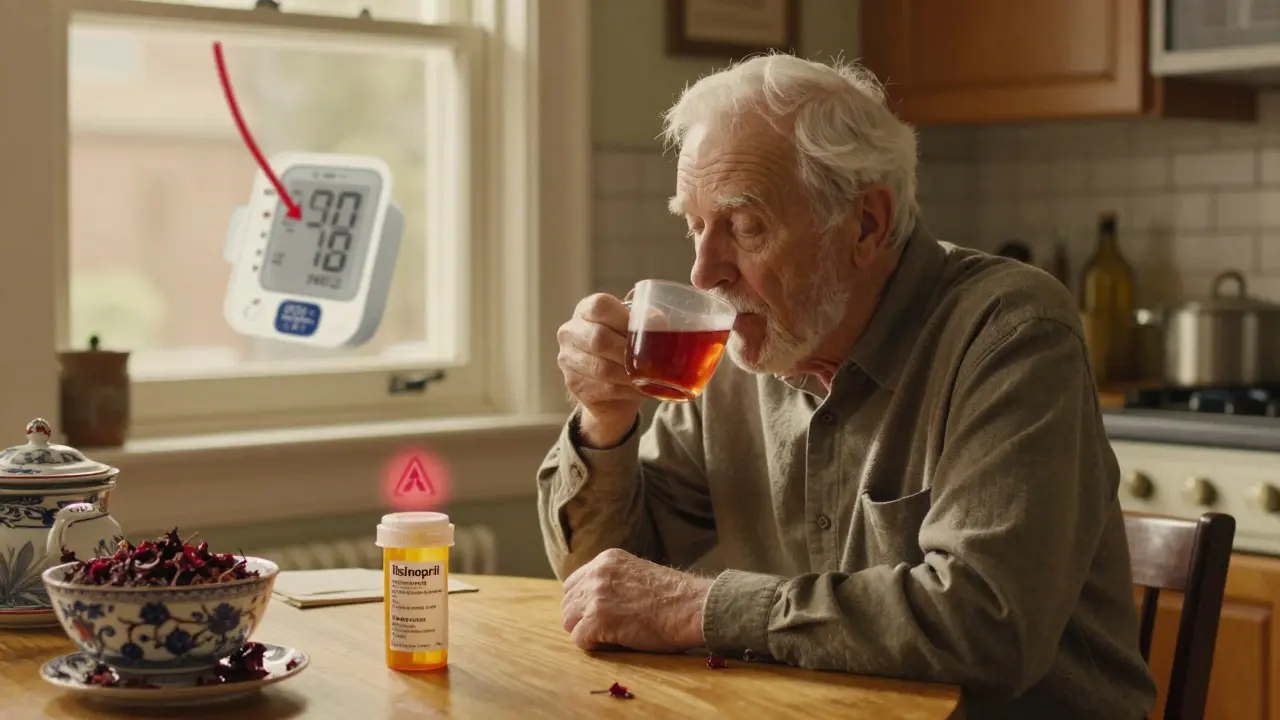
- Hibiscus tea - It acts like an ACE inhibitor - the same class as lisinopril and enalapril. Drinking hibiscus tea while on these meds can cause your blood pressure to crash below 90 mmHg. That’s dangerous. Dizziness, fainting, falls - all real risks.
- Chamomile - Contains apigenin, which may interfere with how oral contraceptives are metabolized. There’s also evidence it can thin the blood. If you’re on warfarin or aspirin, chamomile tea adds to the risk of bleeding.
- Ginkgo biloba - Often sold as a tea or extract. It inhibits platelet function. When combined with blood thinners like warfarin or even NSAIDs like ibuprofen, it can cause internal bleeding. Documented cases include brain bleeds and eye hemorrhages.
- Goldenseal - Sold as a tea for colds or immune support. It blocks key liver enzymes. That means drugs like metformin, statins, and many antidepressants can build up to toxic levels in your body.
Who’s at Greatest Risk?
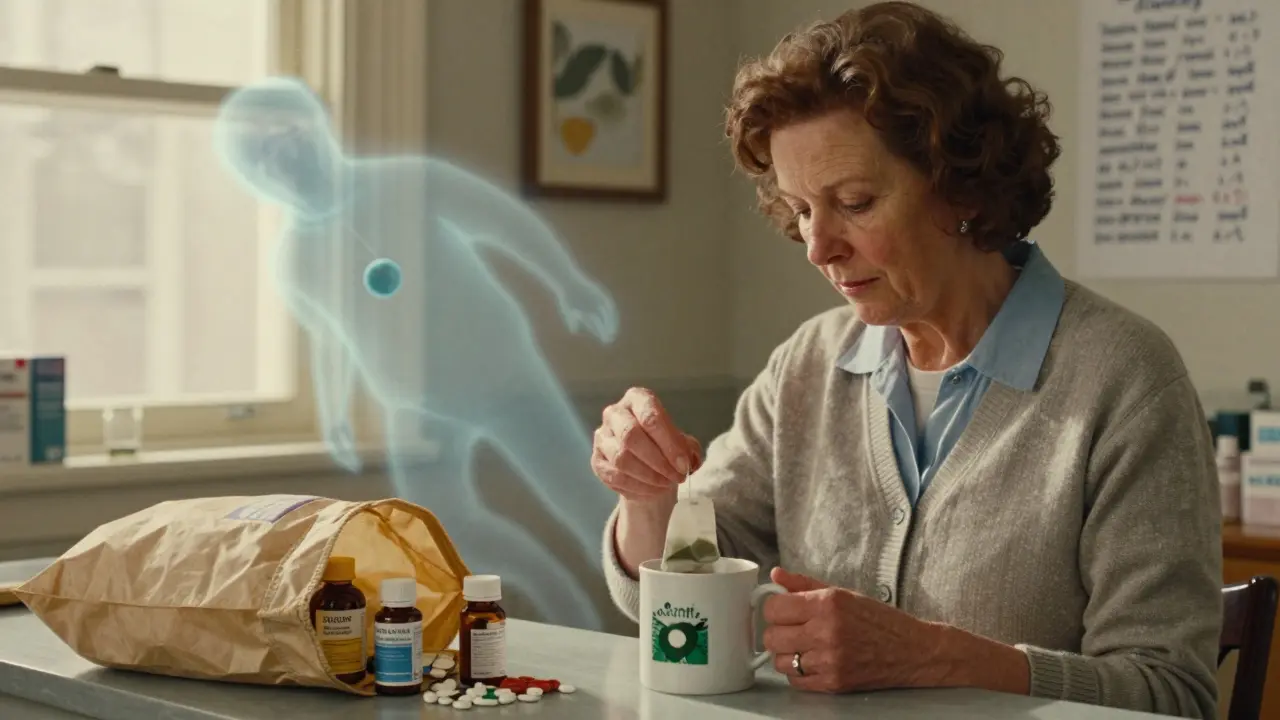
It’s not just older adults. But they’re the most vulnerable. Why?
- They take more medications - often five or more daily.
- They’re more likely to use herbal teas for arthritis, sleep, or digestion.
- They’re less likely to mention tea to their doctor - they don’t think of tea as a “supplement.”
People on these drugs are especially at risk:
- Warfarin (Coumadin) - Any tea that affects clotting or liver enzymes can cause dangerous bleeding or clots.
- Digoxin - Used for heart failure. Even small changes in its level can be deadly.
- Cyclosporine - Critical for transplant patients. Too little = rejection. Too much = kidney damage.
- Theophylline - For asthma. Teas like green tea can spike its levels, causing seizures or heart rhythm problems.
- Lithium - For bipolar disorder. Teas with diuretic effects (like dandelion or hibiscus) can raise lithium levels dangerously.
And if you’re on any drug with a “narrow therapeutic index” - meaning the difference between a helpful dose and a toxic one is tiny - you’re playing with fire.
What You Should Do
Don’t stop drinking herbal tea. Just be smart.
- Make a list - Write down every tea, supplement, herb, or tincture you take. Include how often and how much. Don’t forget “just one cup a day.” That matters.
- Bring it to every appointment - Tell your doctor, pharmacist, and nurse. Say: “I drink this tea daily. Is it safe with my meds?”
- Don’t assume “natural” means safe - The FDA doesn’t test herbal teas before they hit shelves. A 2023 review found 74% of herbal products had inconsistent ingredient levels or contaminants.
- Watch for signs of trouble - Unexplained bruising, dizziness, nausea, irregular heartbeat, or sudden changes in how you feel? It could be tea interacting with your drug.
- Avoid concentrated extracts - Tea bags are low-dose. Capsules, tinctures, or powders? Those are much riskier. Stick to brewed tea if you must use it.
What Your Doctor Should Ask
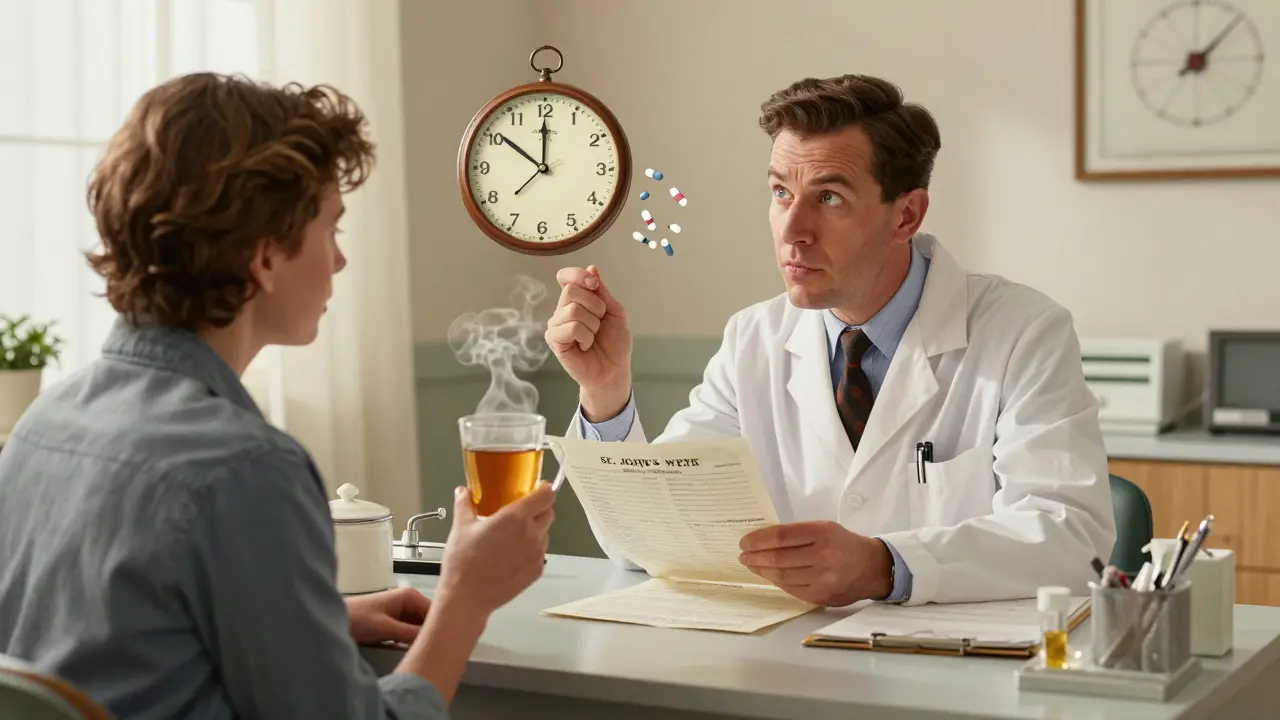
Doctors are supposed to ask about supplements. But most don’t. Why? Because they assume patients won’t say anything.
Ask your provider: “Do you ask patients about herbal teas? Because I drink one every day.” If they look confused - that’s a red flag. You need someone who knows:
- Green tea can wipe out the effect of your beta-blocker.
- Hibiscus tea can make your blood pressure medicine too strong.
- St. John’s wort can make your antidepressant useless.
The American Academy of Family Physicians says clinicians should assume every patient on multiple meds is at risk. They recommend asking directly: “Do you drink herbal teas for health reasons?” Not “Do you take supplements?”
The Bottom Line
Herbal teas aren’t just flavor. They’re active. They change how your body handles drugs. And when you’re on medication - especially for heart, brain, or immune conditions - that change can be dangerous.
You don’t have to quit tea. But you need to know what’s in it. And you need to tell your doctor. Because no one else will ask.
There’s no such thing as a “safe” tea if you’re on medication. Only teas you’ve reviewed with a professional.
Can I drink chamomile tea while taking birth control pills?
There’s emerging evidence that chamomile tea may interfere with how your body breaks down hormones in birth control pills. While not every study agrees, some show reduced effectiveness. If you rely on birth control, it’s safer to avoid chamomile tea or talk to your doctor about switching to a non-hormonal method.
Is green tea safe if I take statins for cholesterol?
No, it’s not reliably safe. Studies show green tea can reduce blood levels of atorvastatin by 31-39%. That means your cholesterol might not be controlled. If you drink green tea regularly, ask your doctor about switching to a statin less affected by tea - like rosuvastatin - or avoid the tea altogether.
Can hibiscus tea replace my blood pressure medication?
No. Hibiscus tea may lower blood pressure, but it’s not a substitute for prescribed medication. When taken with drugs like lisinopril, it can cause your pressure to drop too low - leading to fainting or organ damage. Always keep your medication unless your doctor says otherwise.
Do I need to stop herbal tea before surgery?
Yes. Many herbal teas - especially ginkgo, chamomile, ginger, and garlic - can increase bleeding risk. Most surgeons recommend stopping all herbal teas at least 7-10 days before surgery. Tell your anesthesiologist about every tea you drink, even if you think it’s harmless.
Why don’t more doctors know about tea-drug interactions?
Because medical training focuses on pharmaceutical drugs, not herbal products. Herbal teas aren’t regulated like drugs, so there’s less research and fewer guidelines. But that’s changing. Studies now show clear, dangerous interactions. If your doctor seems unsure, bring printed info from the NCCIH or FDA - they’re reliable sources.
Are organic or artisanal herbal teas safer?
No. Organic doesn’t mean safer. A 2022 FDA report found that herbal teas - even organic ones - often have inconsistent levels of active compounds. Some contain contaminants like heavy metals or undeclared herbs. The source doesn’t matter as much as the ingredients. Always check labels and talk to your doctor.
Brad Ralph
February 12, 2026 AT 18:37Sophia Nelson
February 12, 2026 AT 22:17steve sunio
February 14, 2026 AT 15:14Neha Motiwala
February 15, 2026 AT 11:09athmaja biju
February 15, 2026 AT 19:07Robert Petersen
February 16, 2026 AT 04:12Craig Staszak
February 16, 2026 AT 23:24alex clo
February 18, 2026 AT 00:36Alyssa Williams
February 19, 2026 AT 21:47Ernie Simsek
February 20, 2026 AT 02:00Joanne Tan
February 21, 2026 AT 10:10Reggie McIntyre
February 22, 2026 AT 04:13Jim Johnson
February 23, 2026 AT 22:17Vamsi Krishna
February 24, 2026 AT 23:57Pat Mun
February 26, 2026 AT 03:14