How Media Coverage Shapes Trust in Generic Drugs
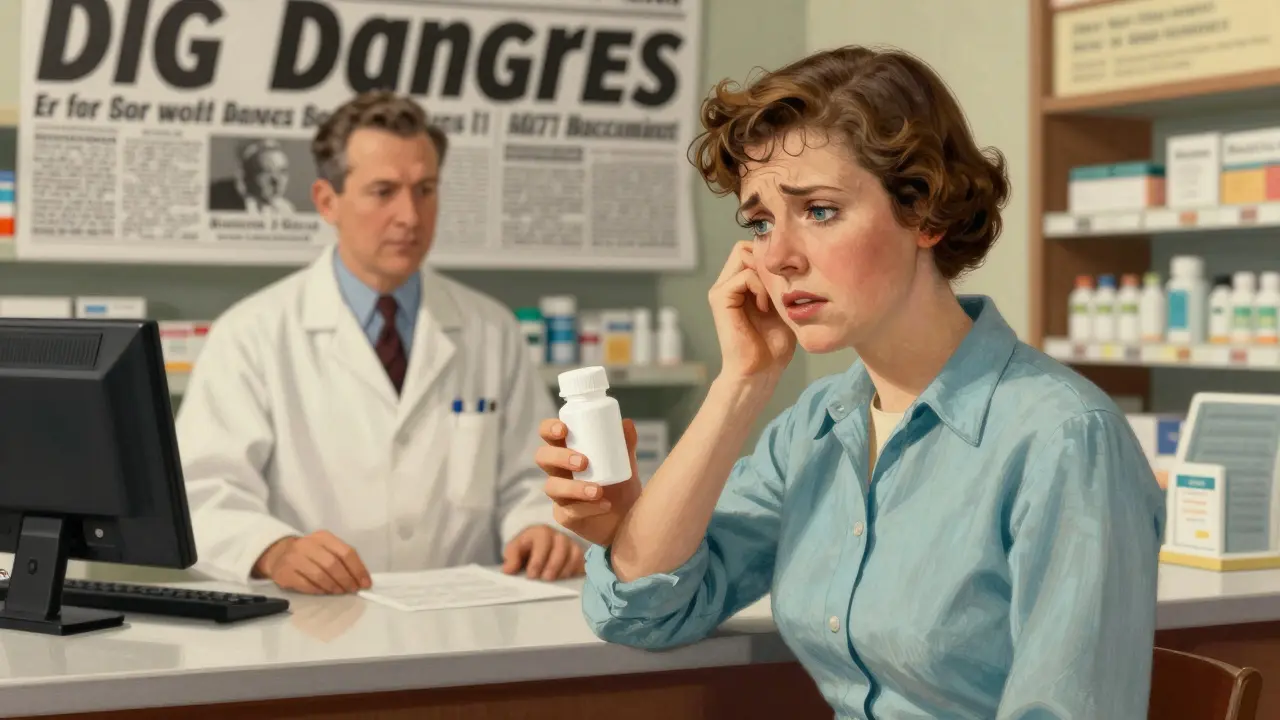
You walk into the pharmacy, hand over your prescription, and the pharmacist hands you a bottle with a plain white label. It costs a fraction of what the original brand-name drug would have cost. But before you take it, a nagging doubt creeps in. You remember reading a headline last week about safety concerns or a story questioning the quality of cheaper alternatives. Is this pill really just as good? This hesitation isn't just paranoia; it's a calculated response to how news stories are written and consumed.
The gap between scientific reality and public perception is widening. While generic drugs make up the vast majority of prescriptions filled today, skepticism remains stubbornly high. The culprit isn't the medicine itself, but the narrative surrounding it. Media coverage plays a pivotal role in shaping these perceptions, often highlighting rare failures while ignoring the rigorous standards that ensure safety. Understanding this dynamic is crucial for patients who want to make informed choices without falling prey to fear-mongering headlines.
The Power of Brand Names in News Reporting
One of the most subtle yet powerful ways media influences confidence is through language. When journalists write about medical studies, they rarely use the chemical name of the drug. Instead, they use the brand name. A study published in the JAMA Network back in 2014 revealed a startling statistic: only 2% of newspapers had written policies requiring the use of generic names. Most articles referred to medications by their trademarked titles, like Lipitor or Zoloft, rather than atorvastatin or sertraline.
Why does this matter? Brand names carry emotional weight. They are associated with marketing campaigns, celebrity endorsements, and a sense of premium quality. Generic names are clinical and cold. By consistently using brand names, the media reinforces the idea that the brand is the "real" product and the generic is merely an imitation. This linguistic bias creates a psychological anchor. Patients begin to believe that if the brand name is the standard, anything else must be inferior, even when the active ingredient is identical.
This practice also obscures funding sources. The same JAMA study found that news articles frequently failed to disclose whether the research being reported was funded by pharmaceutical companies. When a study shows a brand-name drug performing better, and the article doesn't mention that the drugmaker paid for the study, readers assume the result is objective truth. This lack of transparency fuels mistrust in generics, which are often positioned as the "other" option in these narratives.
Sensationalism vs. Scientific Consensus
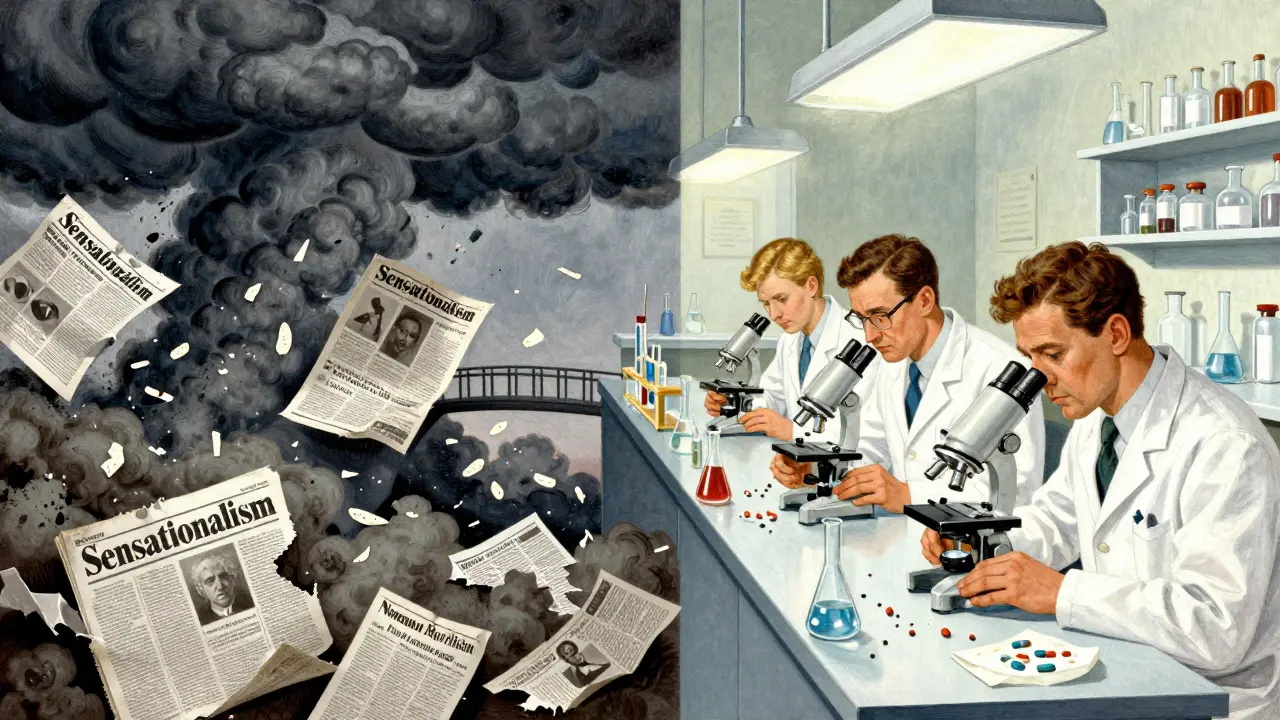
News thrives on conflict and drama. A story titled "Generic Drugs Meet Safety Standards" doesn't get clicks. A headline like "Contaminated Generic Drugs Reveal an Urgent Public Health Crisis" does. Outlets like The New York Times have run stories such as "Medicines Made in India Set Off Safety Worries," which, while based on real events, often amplify isolated incidents into systemic fears.
The reality is that the U.S. Food and Drug Administration (FDA) enforces strict regulations. Every generic drug must demonstrate bioequivalence to its brand-name counterpart. This means it must deliver the same amount of active ingredient into the patient's bloodstream within a similar timeframe. Dr. Sarah Ibrahim, a researcher at the FDA, noted in 2023 that while patients recognize generics have the same active ingredients, uncertainties about formulation differences persist. These minor differences-like fillers or dyes-are harmless but become fodder for negative stories.
When a contamination issue arises, it makes national news. When thousands of generic drugs pass inspection without incident, it doesn't. This asymmetry creates a distorted view of risk. Patients start to associate generics with danger because that's the only time they hear about them. The silence surrounding safe, effective generic use is deafening, leaving a vacuum that fear fills.
The Impact of Bad Medical News
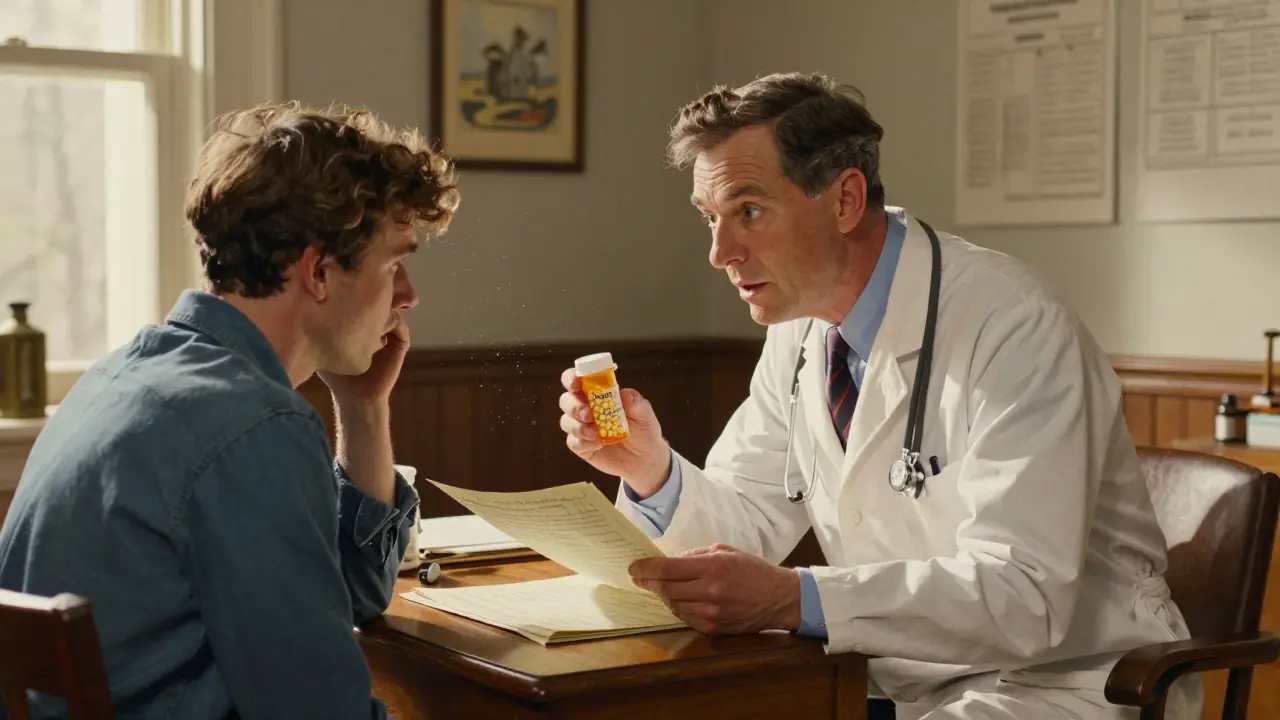
It's not just general news stories that affect confidence; personal health information plays a massive role. A 2023 study from the University of Texas at Dallas highlighted a critical behavioral pattern. When patients receive bad medical news-such as a poor test result or a new diagnosis-they are significantly more likely to switch to expensive brand-name drugs. This effect is most pronounced within the first 90 days following the health scare.
In moments of vulnerability, people seek control. Choosing the most expensive option feels like buying insurance against failure. If the treatment fails, they can tell themselves, "At least I tried the best." Generics, despite being scientifically equivalent, feel like a gamble during these high-stress periods. This behavior undermines the economic benefits of generics and can lead to financial strain for patients who might otherwise afford consistent treatment.
This reaction is exacerbated by a fundamental knowledge gap. Research published in PMC in 2023 showed that only 17% of respondents could correctly identify a generic medicine package, and approximately 40% failed to differentiate between generic and brand medicines. Without clear visual cues or understanding, patients rely on external signals-like price tags and media narratives-to gauge quality. High price equals high quality is a heuristic that works in many industries, but it fails in pharmaceuticals where regulation ensures equivalence.
The Role of Healthcare Providers
If media sows doubt, healthcare providers are the ones who can harvest trust. The systematic review published in PMC (2015) identified that patient trust in physicians often overrules personal mistrust of generic medicines. Doctors and pharmacists act as filters for the noise generated by sensationalist reporting. When a doctor confidently prescribes a generic and explains why it's safe, patients are far more likely to accept it.
However, healthcare professionals aren't immune to media influence either. Some providers harbor their own biases, influenced by the same news cycles. Yet, those who possess greater drug knowledge-like pharmacists-are significantly more likely to prefer generics. The key lies in communication. Dr. Roach, cited in FDA research, emphasized that taking the time to talk with patients about switching from brand-name to generic drugs increases their confidence. Simple explanations about the FDA's commitment to holding all approved products to high standards can dismantle myths.
Pharmacists are in a unique position to educate. They see the medication firsthand and can address specific concerns about appearance or packaging. A brief conversation explaining that different colors or shapes don't affect efficacy can go a long way. This personalized interaction counters the broad, fear-based messages seen in the news.
Economic Realities and Price Perception
Media coverage also distorts the economic landscape of generic drugs. Stories about price hikes for certain generics grab attention, leading the public to believe that generics are becoming expensive. While some prices do rise due to limited competition, the broader trend is one of affordability. The HHS ASPE report from 2023 documented that drug prices decline by 20% in markets with approximately three generic competitors.
This economic benefit is often missing from media narratives. Instead of discussing market dynamics and competition, headlines focus on outliers. This "bad media attention" serves a dual purpose: it raises public awareness but also inflates perceived risks. As Peter Ubel noted in Forbes, this scrutiny acts as necessary public pressure to limit excessive price hikes, but it comes at the cost of eroding confidence in the value proposition of generics.
Patients who understand the economics are more resilient to negative stories. Knowing that generics save billions in healthcare costs annually helps contextualize individual price fluctuations. Insurers and advocacy groups can help by promoting financial incentives, such as lower co-payments, which reinforce the value of generics beyond just safety.
Building Resilience Against Misinformation
To counter the impact of negative media coverage, a multi-faceted approach is needed. First, journalistic standards must improve. Implementing written policies that require the use of generic names and disclosure of funding sources is a critical step. The JAMA Network study suggested that medical journals should help journalists by making disclosures more prominent. This educates the reporters who shape public opinion.
Second, public literacy campaigns are essential. The FDA's initiative, "Utilizing Generic Drug Awareness to Improve Patient Outcomes," focuses on improving generic drug literacy among adults, adolescents, and healthcare providers. Education should demystify the approval process and explain what bioequivalence truly means. Clear, accessible information empowers patients to question sensationalist claims.
Finally, continuous dialogue between patients and providers is vital. Don't hesitate to ask your doctor or pharmacist why they chose a generic. Ask about the specific study data that supports its use. Engaging actively in your healthcare decisions builds a buffer against external misinformation. Trust is built through transparency and understanding, not just through blind faith in brands.
| Attribute | Brand-Name Drug | Generic Drug |
|---|---|---|
| Active Ingredient | Identical | Identical |
| Bioequivalence | Reference Standard | Must match reference |
| Cost | Higher | Lower (up to 80% less) |
| Packaging | Distinctive branding | Plain, may vary by manufacturer |
| Regulatory Oversight | FDA Approved | FDA Approved |
Are generic drugs really as safe as brand-name drugs?
Yes. The FDA requires generic drugs to demonstrate bioequivalence, meaning they deliver the same amount of active ingredient into the bloodstream in the same amount of time as the brand-name drug. They undergo rigorous testing to ensure safety, efficacy, and quality. Minor differences in inactive ingredients, like color or flavor, do not affect how the drug works.
Why do news stories often make generics seem risky?
Media outlets prioritize sensational stories. Headlines about contamination or safety issues attract more attention than reports on routine approvals. Additionally, journalists often use brand names instead of generic names, reinforcing the perception that the brand is the superior, "real" product. This bias creates a skewed view of risk.
Should I switch to a brand-name drug if I get bad health news?
Not necessarily. Research shows that patients often switch to brand-name drugs after receiving bad medical news due to anxiety and a desire for control. However, generics are scientifically equivalent. Switching solely based on fear can lead to unnecessary expenses. Discuss your concerns with your doctor, who can provide context and reassure you about the effectiveness of the generic option.
How can I tell if a drug is generic?
Generic drugs usually have plain packaging and lack distinctive branding. The label will list the generic name (e.g., ibuprofen) rather than a brand name (e.g., Advil). Your pharmacist can also confirm if the medication is generic. Look for the National Drug Code (NDC) on the box, which identifies the manufacturer.
Do doctors and pharmacists trust generic drugs?
Generally, yes. Healthcare professionals with higher drug knowledge are more likely to prefer generics. Studies show that patient trust in their physician often overrides personal mistrust of generics. Doctors and pharmacists are trained to understand regulatory standards and can provide evidence-based reassurance about generic safety and efficacy.
Sarah O'Donnell
May 12, 2026 AT 11:51uughh why do we even need to discuss this?? its so obvious brand names are better quality 😤 like come on people use your brain cells 🧠 the news says they are bad for a reason!!! trust the process of expensive meds 💊✨
Amelia Vaughan
May 13, 2026 AT 16:46Wake up sheeple. Generic drugs are fine. The problem is you are too stupid to read labels. If you cant tell the difference between a pill and a rock you deserve to be scammed by pharma companies. Get educated or get out of the way.
Kevin S
May 14, 2026 AT 06:31Hey everyone! 👋 Just wanted to say that it is totally normal to feel confused about all this stuff. The media makes it seem super complicated but really it is just about saving money and staying healthy. You got this! 💪💖
Madison Jones
May 16, 2026 AT 00:19This is such an important topic!! I always make sure to ask my pharmacist if the generic is okay because they know so much more than I do! It really helps to have that personal connection and explanation from someone who cares about your health!!! Don't be afraid to ask questions!!!!
Sarah Grenberg
May 17, 2026 AT 20:23The narrative around generic drugs is often skewed by sensationalist headlines which create unnecessary fear among patients. We must recognize that regulatory bodies enforce strict standards to ensure safety and efficacy regardless of branding. Trust in science rather than emotion.
Brian Lee
May 18, 2026 AT 16:43I think its great that people are learning more about this. Its easy to get scared by news stories but the facts show generics are safe. Keep doing research and talking to your doctors because they want what is best for you. Good luck with your health journey!
Jake Williams
May 20, 2026 AT 00:21Oh look another article trying to save big pharma some reputation points. Typical. You people believe everything you read on the internet. Generic drugs are inferior because they are made by lazy factories cutting corners. Pay up for the real thing or die poor. That is how it works.