How to Identify Class-Wide vs. Drug-Specific Safety Alerts
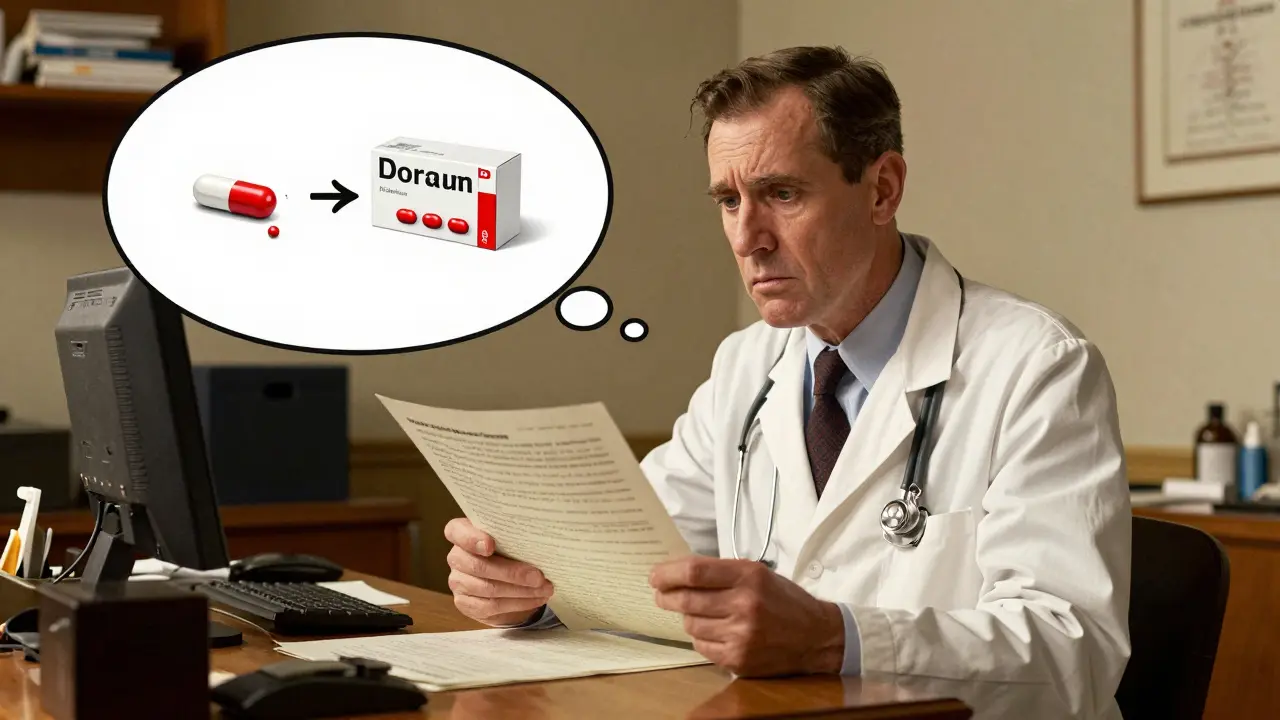
Imagine you are reviewing a new patient chart. The doctor prescribes an antibiotic from the fluoroquinolone class. You remember a scary news story about tendon ruptures. Do you panic? Or do you check if that specific drug is the problem, or if every drug in that group carries the same risk? This split-second decision can change a patient’s outcome. It also determines whether you overreact and deny effective treatment, or underreact and miss a danger.
Distinguishing between class-wide and drug-specific safety alerts is one of the hardest skills in modern medicine. A class-wide alert means the risk comes from how the entire group of drugs works in the body. A drug-specific alert means only one molecule has a unique flaw. Getting this wrong leads to "alert fatigue," where doctors ignore real dangers because they are buried in noise. It also leads to confusion when patients switch brands and wonder why their side effects changed.
The Core Difference: Mechanism vs. Molecule
To identify the type of alert, you first need to understand the source of the risk. Think of it like cars. If all sedans have a design flaw in their braking system, that is a class-wide issue. If one specific model from Toyota has a faulty airbag sensor due to a manufacturing error, that is a vehicle-specific issue.
In pharmacology, Class-wide warnings address systemic risks inherent to a pharmacological mechanism. For example, almost all ACE inhibitors carry a risk of angioedema (swelling) because they all work by blocking the same enzyme pathway. No matter which brand you pick, the biology remains the same. The U.S. Food and Drug Administration (FDA) uses this logic to issue broad communications. When the FDA issued a warning about stroke and heart attack risks with testosterone products in 2014, it applied to all 12 marketed testosterone products because blood pressure increases were confirmed across the board through ambulatory blood pressure monitoring studies.
Drug-specific warnings, on the other hand, target unique chemical properties. Take statins, for instance. Most statins lower cholesterol safely. But cerivastatin was withdrawn in 2001 because it caused rhabdomyolysis (muscle breakdown) at much higher rates than its peers. The risk wasn't in the class; it was in that specific molecule's interaction with liver enzymes. Recognizing this difference prevents you from banning an entire useful category of drugs based on the failure of one outlier.
Decoding Official Labels and Communications
You don't have to guess. Regulatory bodies leave clues in the labeling. However, these clues are often hidden in dense legal text. Here is how to spot them quickly.
- Check the Boxed Warning Scope: A black box warning is the FDA's strongest alert. Look at the language. Does it say "all agents in this class" or does it name a specific drug? A 2011 analysis found that inconsistent application is common. In some cases, a warning appears on one drug but not its sibling, even if they share similar mechanisms. This inconsistency stems from incomplete data, so always cross-reference.
- Review the ATC Classification: The World Health Organization's Anatomical Therapeutic Chemical (ATC) system categorizes drugs into five levels. Level 4 represents pharmacological subgroups (the class), while Level 5 is the chemical substance. If the safety signal is discussed at the Level 4 description in medical literature, it is likely class-wide. If it is isolated to the Level 5 monograph, it is drug-specific.
- Analyze FDA Drug Safety Communications: The FDA archives these alerts. As of 2023, about 18% of these communications were class-wide, 62% were drug-specific, and 20% had unclear scope. Read the "What We Are Doing" section. If the FDA requires post-market studies for "all products in this class," treat it as a class-wide concern until proven otherwise.
A practical tip: Use the National Library of Medicine's DailyMed database. It often color-codes or structures warnings differently for class effects versus individual agent issues. If you see the same warning language repeated across three different brand names, you are looking at a class effect.

Evidence Thresholds: How Regulators Decide
Regulators don't pull triggers lightly. They use statistical thresholds to decide if a signal is strong enough to warrant a class-wide label. Understanding these metrics helps you evaluate the strength of an alert.
The FDA and other agencies look for consistent signals across multiple databases. A key metric is the Proportional Reporting Ratio (PRR). Generally, a PRR above 2.0 with a Chi-squared value greater than 4.0 suggests a significant association. But for a class-wide warning, this signal must appear in multiple agents within the class. A 2014 study established that distinguishing "class properties" from "drug properties" requires seeing this statistical spike across at least three different agents in the same therapeutic group.
Mechanistic plausibility is equally important. If the biological pathway explains the side effect, the risk is likely class-wide. For example, QT prolongation (a heart rhythm issue) was initially flagged for citalopram, an SSRI antidepressant, in 2011. Critics argued this should be a class-wide warning since all SSRIs affect potassium channels. However, the FDA kept it drug-specific for citalopram because escitalopram and others did not show the same intensity of signal at standard doses. Later research suggested pioglitazone (a diabetes drug) also carried cardiovascular risks previously thought to be specific to rosiglitazone. This evolution shows why you must stay updated-what starts as drug-specific can become class-wide as more data emerges.
| Feature | Class-Wide Alert | Drug-Specific Alert |
|---|---|---|
| Root Cause | Shared pharmacological mechanism | Unique chemical structure or impurity |
| Evidence Required | Signals in ≥3 agents; mechanistic proof | Isolated signal in one agent |
| Market Impact | Reduces class utilization by 15-25% | Reduces specific product sales by 40-60% |
| Clinician Action | Consider alternative drug classes | Switch to a different agent within the same class |
| Example | Fluoroquinolones (tendon rupture) | Cerivastatin (rhabdomyolysis) |
The Human Factor: Confusion and Fatigue
Data is only half the battle. The other half is human behavior. Healthcare providers struggle with these distinctions daily. A 2022 survey of 1,200 U.S. physicians on the Sermo platform found that 68% reported confusion about whether a warning applied to the whole class or just one drug. Primary care physicians were hit harder (73%) than specialists (58%), likely because they manage a wider variety of medications without deep niche expertise.
This confusion has real consequences. Dr. Sarah Chen, an internist, shared on Reddit that she stopped prescribing all quinolones after the 2018 class-wide warning regarding disabling side effects. While cautious, she later realized that for complicated UTIs where alternatives fail, the benefit might still outweigh the risk. Her blanket approach, born from a class-wide alert, potentially harmed patients who needed those specific drugs.
Then there is "alert fatigue." When every minor issue gets a loud warning, clinicians tune out. Anand et al. (2011) documented that excessive warnings reduce attention to critical alerts. Pharmacists feel this too. Walgreens' internal data from 2022 showed a 22% increase in pharmacist intervention time following class-wide warnings, compared to only 8% for drug-specific ones. Why? Because a class-wide warning forces the pharmacist to evaluate the entire therapeutic landscape for alternatives, not just swap one pill for another.
Practical Steps for Clinicians and Patients
So, what do you do when you see a new safety alert? Follow this systematic assessment to avoid missteps.
- Confirm Signal Strength: Don't rely on headlines. Check if the alert is backed by quantitative metrics. Is the PRR > 2? Is there a boxed warning?
- Assess Mechanistic Plausibility: Ask yourself: "Does this side effect make sense given how the drug works?" If yes, suspect a class-wide issue. If the side effect seems random or linked to a rare impurity, it is likely drug-specific.
- Check Evidence Distribution: Look at the data. Are other drugs in the class showing the same problem? If only one drug is mentioned, hold off on generalizing. Remember the citalopram case-it took years to determine if QT prolongation was a class trait.
- Review Pharmacokinetics: Different drugs in the same class are metabolized differently. One might accumulate in the liver, causing toxicity, while another clears quickly. These differences can mitigate risk for specific agents.
- Consult Real-World Data: Clinical trials are clean; real life is messy. Databases like FAERS (FDA Adverse Event Reporting System) contain over 22 million reports. Tools like IBM Watson Health's Drug Safety Intelligence analyze these reports to identify class signals with high accuracy. If available, check if real-world usage supports the trial data.
Avoid common pitfalls. Do not confuse drug recall classes (Class I, II, III) with therapeutic class warnings. A Class I recall means serious health risks, but it could be due to a contamination issue in one factory batch, not a flaw in the drug's chemistry. Also, don't assume similar names mean similar risks. Just because two antibiotics start with "cef" doesn't mean they share the same allergy profile.
Future Trends: AI and Precision Risk Communication
The landscape is changing. The FDA launched a pilot program in 2023 using artificial intelligence to predict class effects before signals even emerge. By analyzing molecular structures and shared metabolic pathways, AI can flag potential risks earlier than traditional reporting methods. In January 2024, the FDA introduced a standardized warning taxonomy, explicitly labeling risks as "Class Risk" or "Agent-Specific Risk" in all new labeling. This clarity aims to reduce the confusion that plagues current practice.
However, challenges remain. Dr. Janet Woodcock, former FDA Acting Commissioner, warned that incomplete post-marketing data creates fundamental uncertainty. For 72% of drug classes, we simply don't have enough long-term data to be certain about scope. The goal for 2027 is to expand the Sentinel Initiative's data network, which could reduce this uncertainty by 40-60%. Until then, your best tool is critical thinking. Combine regulatory labels with mechanistic understanding and real-world evidence. Don't just follow the warning; understand the science behind it.
What is the difference between a class-wide warning and a drug-specific warning?
A class-wide warning applies to all drugs in a therapeutic group because the risk is inherent to their shared mechanism of action (e.g., angioedema with ACE inhibitors). A drug-specific warning applies only to a single medication due to unique chemical properties or manufacturing issues (e.g., rhabdomyolysis with cerivastatin).
How can I tell if an FDA alert is class-wide?
Look for language stating the risk applies to "all agents in this class." Check if the warning appears on multiple brand names within the same pharmacological subgroup. Additionally, review the FDA Drug Safety Communications archive; class-wide alerts often require post-market studies for all products in the category.
Why do some drugs in the same class have different safety warnings?
Differences arise from variations in pharmacokinetics (how the body processes the drug), dosage forms, and the strength of clinical evidence. Sometimes, one drug has been studied longer, revealing risks not yet seen in newer agents. Other times, a specific molecule interacts uniquely with enzymes, creating a risk that does not apply to its peers.
What is alert fatigue in the context of drug safety?
Alert fatigue occurs when healthcare providers are overwhelmed by excessive or unclear safety warnings, causing them to ignore or dismiss critical alerts. Class-wide warnings contribute to this by forcing broad changes in prescribing habits, increasing cognitive load and verification time for pharmacists and doctors.
How does the FDA decide to issue a class-wide warning?
The FDA evaluates signal strength using metrics like Proportional Reporting Ratio (PRR), assesses mechanistic plausibility, and looks for consistent evidence across at least three agents in the class. They also consider pharmacokinetic differences and real-world data from systems like FAERS before determining if the risk is systemic to the class.
Victoria Mangiapane
May 29, 2026 AT 14:35Oh please, spare me the academic lecture on pharmacokinetics. I just want to know if my new pill will make me throw up or not. You guys love making simple things sound like a doctoral thesis.
Nivetha Narayanan
May 31, 2026 AT 14:25hiiya! i think this is super helpful actually! its crazy how confusing it can be for patients when doctors switch meds and we dont understand why. thanks for breaking it down so nicely!
Tim Reynolds
June 2, 2026 AT 00:18The FDA is compromised. They don't care about safety; they care about keeping the pipeline open for Big Pharma profits. The "class-wide" distinction is a legal loophole designed to protect shareholders while you suffer. Wake up. The data is fabricated by the very people selling the poison. Trust no one in white coats who has stock options.
Groman Neta
June 3, 2026 AT 06:03This article is painfully obvious to anyone with even a basic understanding of medical literature. It is insulting that such elementary concepts need to be spelled out for adults. If you cannot distinguish between a mechanism-based risk and a molecule-specific anomaly, you should not be practicing medicine or advising others. The reliance on PRR metrics is also outdated given modern Bayesian approaches to signal detection.
Ryan Jones
June 4, 2026 AT 10:24i mean sure whatever you say but its all part of the grand plan to control us through medication isn't it? they tell us its class wide so we stop taking everything then they sell us the alternative which is worse. classic manipulation tactic. dont let them fool you into thinking there's any real science here just corporate strategy disguised as health advice
Frank Arlyss
June 5, 2026 AT 02:46I had a similar issue last year. My doctor switched me from one statin to another because of muscle pain but honestly I felt worse on both. It feels like they are just guessing and using us as test subjects. Do you really think these warnings help or do they just scare people into stopping treatment entirely?
Lisa Russo
June 6, 2026 AT 12:52You're all overthinking it. Most drugs are fine. Just take what the doctor says. Reading too much online makes you paranoid. Simple is better.
Gareth Tyler
June 6, 2026 AT 16:34interesting perspective on the human factor section. alert fatigue is real. i work in healthcare and see it daily. we ignore so many pop-ups now. maybe we need simpler labels instead of more complex explanations.
Sharon O’Mahonh
June 8, 2026 AT 11:25hey everyone! lets remember that knowledge is power! understanding these nuances helps us advocate for ourselves better. its not about fear its about empowerment! lets keep the conversation going and support each other in navigating this complex medical landscape together! 💪✨
Jonhnnie john13
June 9, 2026 AT 15:51The statistical thresholds mentioned are arbitrary. PRR > 2 is meaningless without context of baseline incidence rates. The entire framework relies on flawed observational data which is riddled with confounding variables. This analysis lacks rigor and fails to account for publication bias in the cited studies.
Russell Russell
June 10, 2026 AT 10:38We must approach this topic with an open mind and a willingness to learn. Every individual's journey with medication is unique. Let us support one another in seeking clarity and understanding. Knowledge empowers us to make informed decisions. Together we can navigate these challenges with grace and wisdom.
Naresh Chandra
June 10, 2026 AT 18:31I completely agree with the points raised regarding the confusion among physicians. It is truly concerning that nearly 70% of doctors feel uncertain about the scope of warnings. We must prioritize clear communication in healthcare to ensure patient safety. Thank you for sharing this insightful information.
Cyburg Adeoye
June 11, 2026 AT 17:49This is a fantastic breakdown of a complex pharmacovigilance issue! The distinction between mechanistic plausibility and isolated signals is crucial for clinical decision-making. As healthcare professionals, we must stay vigilant against alert fatigue while ensuring we do not dismiss genuine safety concerns. Let us continue to advocate for clearer regulatory communications and better education for both providers and patients. Your insights are invaluable!
Joseph Teichman
June 12, 2026 AT 05:32good post. helps a lot. typos in my head sorry.