IBS-Mixed: Managing Alternating Constipation and Diarrhea
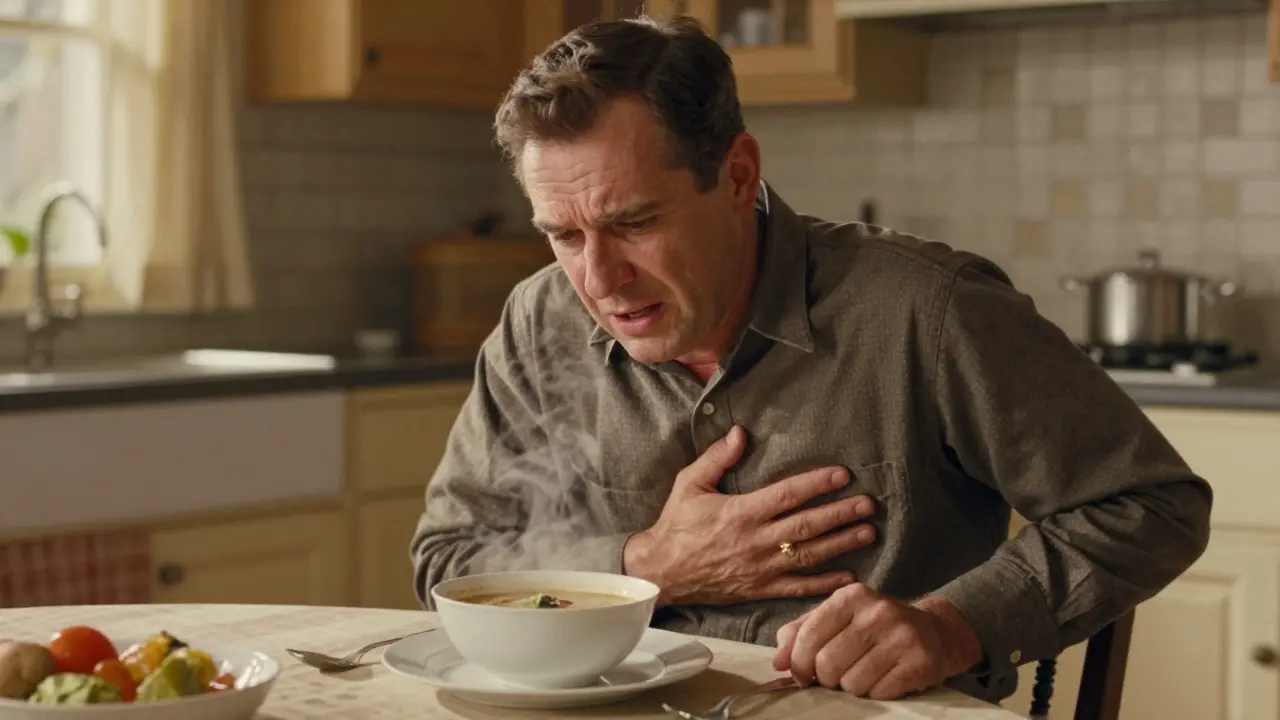
Imagine sitting down to eat a meal, feeling confident about your day, only to be hit by sudden abdominal cramps. You rush to the bathroom, expecting relief, but nothing happens-or worse, you experience urgent diarrhea instead. This unpredictable rollercoaster is the daily reality for millions of people living with IBS-Mixed, formally known as Irritable Bowel Syndrome with Mixed Bowel Habits (IBS-M). Unlike other forms of IBS where symptoms lean heavily toward either constipation or diarrhea, IBS-M throws both at you, often on the same day.
If you’ve been told you have IBS but feel like standard advice doesn’t fit because your symptoms swing wildly, you are not alone. IBS-M affects roughly 20-25% of all IBS patients globally. It’s a functional gastrointestinal disorder, meaning there’s no visible damage or inflammation in your gut-just a messy communication breakdown between your brain and your intestines. The goal here isn’t a magic cure, but rather finding a stable routine that keeps your quality of life intact despite the chaos.
Understanding the IBS-M Diagnosis
To manage IBS-M effectively, you first need to understand what you’re dealing with. The medical community uses the Rome IV criteria to diagnose this condition. Simply put, you must experience recurrent abdominal pain at least one day per week for the last three months. This pain should be linked to changes in how often you go to the bathroom, how your stool looks, or the act of defecation itself.
The defining feature of IBS-M is the alternation. According to diagnostic standards, at least 25% of your bowel movements must fall into the "constipation" category (hard, lumpy stools, types 1-2 on the Bristol Stool Scale) and another 25% must fall into the "diarrhea" category (loose, watery stools, types 6-7). If you mostly have normal stools with occasional issues, you might fall into the unclassified category (IBS-U), but if you’re swinging between extremes, it’s IBS-M.
This distinction matters because treatments for IBS-C (constipation-predominant) can make diarrhea worse, and vice versa. For instance, a laxative that helps an IBS-C patient might send an IBS-M patient running to the toilet. Understanding this balance is the first step toward taking control.
The Brain-Gut Connection: Why Stress Triggers Symptoms
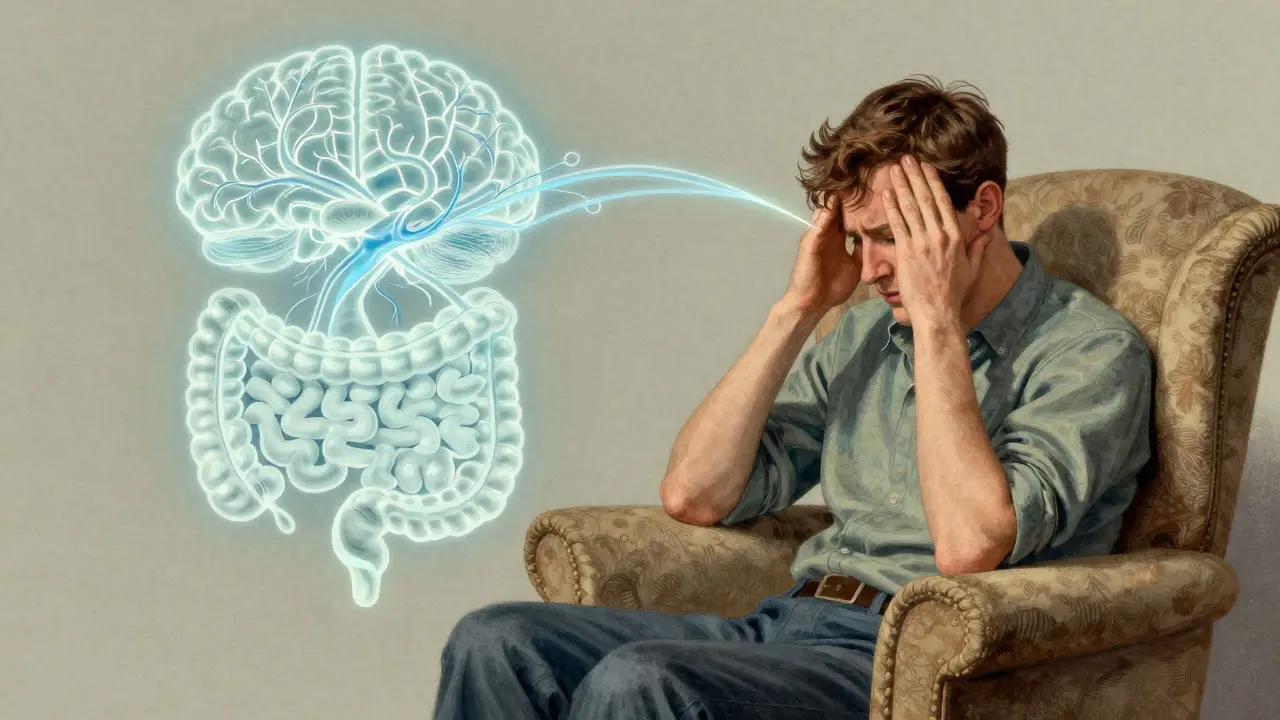
Your gut isn’t just a digestive tube; it’s connected directly to your nervous system via the vagus nerve. In IBS-M, this connection is hypersensitive. Studies show that nearly 70% of IBS-M patients report symptom worsening during periods of stress. When you’re anxious, your body releases cortisol and adrenaline, which can speed up gut motility (leading to diarrhea) or slow it down (leading to constipation), depending on your individual physiology.
This explains why a high-stakes work presentation or a family argument can trigger a flare-up hours later. It’s not "all in your head"-it’s a physiological response. Managing IBS-M therefore requires addressing mental health alongside physical symptoms. Techniques like cognitive behavioral therapy (CBT) have shown significant success, reducing symptom severity by up to 40-50% in clinical trials compared to education alone.
Dietary Strategies: The Low FODMAP Approach
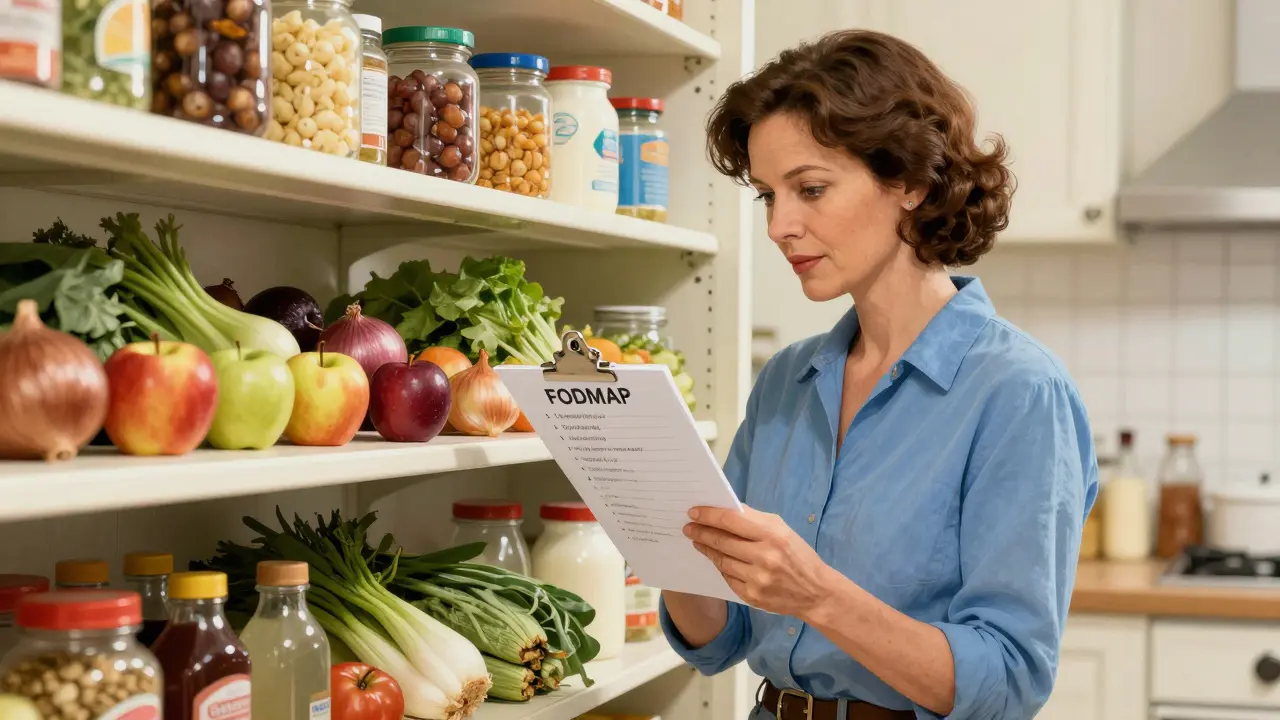
Diet plays a massive role in IBS-M management. While many people try random food eliminations, the most evidence-backed approach is the low FODMAP diet. FODMAPs are short-chain carbohydrates that are poorly absorbed in some people, leading to fermentation, gas, and bloating in the colon.
- Fermentable: These carbs ferment in the gut.
- Oligosaccharides: Found in wheat, rye, onions, garlic, and legumes.
- Disaccharides: Primarily lactose in dairy products.
- Monosaccharides: Fructose, when present in higher amounts than glucose (e.g., honey, apples).
- Polyols: Sugar alcohols found in stone fruits (peaches, plums) and artificial sweeteners like sorbitol.
The process involves three phases:
- Elimination: Strictly avoid high-FODMAP foods for 2-6 weeks to see if symptoms improve.
- Reintroduction: Systematically add back specific food groups to identify personal triggers.
- Personalization: Create a long-term diet that avoids only your specific triggers, allowing maximum variety.
About 50-60% of IBS-M patients see significant improvement with this method. However, it’s restrictive and hard to maintain long-term without guidance. Working with a registered dietitian specializing in gastrointestinal disorders is highly recommended to ensure you don’t develop nutritional deficiencies.
Medication Management: Balancing Opposing Symptoms
Pharmacological treatment for IBS-M is tricky because drugs often target one symptom exclusively. Your doctor may prescribe a combination of medications to handle the swings.
- Antispasmodics: Drugs like dicyclomine or hyoscyamine help reduce intestinal spasms and pain. They are generally safe for use regardless of whether you’re leaning toward constipation or diarrhea.
- Antidiarrheals: Loperamide (Imodium) can be used as needed during diarrhea flares. Use caution, as overuse can lead to severe constipation.
- Laxatives: Osmotic laxatives like polyethylene glycol (MiraLAX) may be prescribed for constipation days. Stimulant laxatives are usually avoided due to the risk of triggering diarrhea.
- Antidepressants: Low-dose tricyclic antidepressants (TCAs) or SSRIs are often prescribed not for depression, but for their ability to modulate pain signals and regulate bowel function. TCAs tend to slow gut motility (helping diarrhea), while SSRIs can sometimes speed it up (helping constipation), making them versatile tools for IBS-M.
Newer medications like eluxadoline (Viberzi) have shown promise in managing global IBS symptoms, though they are primarily approved for IBS-D. Always consult your gastroenterologist before starting any new medication, as side effects can vary widely.
Tracking Your Symptoms: Data Is Power
You cannot manage what you do not measure. Keeping a detailed symptom diary is crucial for identifying patterns. Track:
- Bowel movement frequency and consistency (using the Bristol Stool Scale).
- Abdominal pain intensity (on a scale of 0-10).
- Food intake, including portion sizes and ingredients.
- Stress levels and sleep quality.
- Medication usage and timing.
Studies show that patients who use structured tracking apps report 35% greater symptom improvement than those using paper diaries. Apps like Cara Care or simple notes in your phone can help you spot correlations you might miss otherwise. For example, you might discover that high-fat meals consistently trigger diarrhea two hours later, or that skipping breakfast leads to constipation the next day.
Lifestyle Adjustments for Long-Term Relief
Beyond diet and meds, lifestyle factors play a huge role. Regular exercise helps stimulate healthy gut motility and reduces stress. Aim for 30 minutes of moderate activity most days. Sleep hygiene is also critical; poor sleep disrupts the gut-brain axis and worsens visceral hypersensitivity.
Supplements like enteric-coated peppermint oil have gained popularity for reducing bloating and pain. Clinical data suggests it works by relaxing intestinal smooth muscles. However, it can cause heartburn in some people, so start with a low dose. Probiotics are another area of interest, but results are mixed. Strains like Bifidobacterium infantis 35624 have shown benefit in some studies, but more research is needed for IBS-M specifically.
What is the difference between IBS-M and IBS-C?
IBS-C (Constipation-Predominant) is characterized by hard, lumpy stools in at least 25% of bowel movements and loose/watery stools in less than 25%. IBS-M (Mixed) involves alternating symptoms, with both hard and loose stools occurring in at least 25% of bowel movements each. This alternation makes IBS-M harder to treat with single-target medications.
Can IBS-M be cured?
There is currently no cure for IBS-M. It is a chronic functional disorder. However, symptoms can be effectively managed through a combination of dietary changes, stress management, and targeted medications, allowing many people to live normal, active lives.
How long does it take to see results from the low FODMAP diet?
Most people begin to notice improvements within 2-6 weeks of strict adherence to the elimination phase. The full reintroduction phase takes an additional 8-12 weeks to identify specific triggers. Consistency is key during the initial elimination period.
Are there specific exercises recommended for IBS-M?
Moderate aerobic exercise like walking, swimming, or cycling for 30 minutes most days is beneficial. Yoga has also shown promise in reducing stress and improving bowel function. Avoid intense workouts immediately after eating, as this can exacerbate symptoms.
When should I see a doctor for IBS symptoms?
You should see a doctor if you experience red flag symptoms such as unexplained weight loss, blood in stool, fever, or nighttime symptoms that wake you from sleep. These can indicate conditions other than IBS, such as inflammatory bowel disease or celiac disease, which require different treatments.
Dat Alexander
May 7, 2026 AT 22:47i think its important to remember that everyone's body is different and what works for one person might not work for another
we should try to be supportive of each other instead of judging people for their choices
the brain-gut connection is real and stress management is key
just my two cents
Raymond Roberts
May 8, 2026 AT 16:46look i know this sounds crazy but ive been dealing with ibs-m for years and honestly nothing helps except avoiding gluten and dairy completely even though doctors say its not celiac disease
i tried the fodmap diet and it made me miserable because i felt like i was starving all the time and then when i reintroduced foods everything went back to normal which tells me it wasnt the fodmaps at all
also why does everyone assume its stress? im pretty chill guy but still have symptoms so maybe its just genetics or something else entirely
anyway just wanted to share my experience incase it helps someone else who feels stuck
Nisha Koshti
May 9, 2026 AT 13:34ughhh why is this article so long?? :((((
who has time to read all this stuff about bromstool scales and vagus nerves when you just want to know if you can eat pizza without exploding?
i think its all a conspiracy to sell supplements anyway lol
:(
Jannet Suen
May 10, 2026 AT 13:58oh honey sweetie pie darling
you really think reading a blog post is gonna cure your bowel issues?
sarcasm aside this is actually pretty helpful info for people who dont know where to start
but please dont expect miracles overnight okay?
:)
Claire A
May 10, 2026 AT 19:52this is such great information thank you for sharing!
i struggled with understanding the difference between ibs-c and ibs-m for so long
now i finally get it
hope this helps others too!
andrew iregbayen
May 12, 2026 AT 08:33hey man
does anyone know if peppermint oil capsules actually work or is that just hype?
i heard they help with cramps but im worried about heartburn
any tips?
Laura ciotoli
May 12, 2026 AT 11:54Stop asking stupid questions.
The article clearly states that enteric-coated peppermint oil relaxes intestinal smooth muscles.
If you cannot read basic text then perhaps you should consult a professional instead of wasting internet bandwidth.
Do not expect hand-holding here.
Read the source material carefully before posting nonsense.
Sarah O'Donnell
May 13, 2026 AT 02:29omg stop being so mean to poor andrew 😭😭😭
he was just trying to learn!!
why are you always so toxic?
people like you ruin the internet for everyone else 🙄🙄🙄
Amelia Vaughan
May 13, 2026 AT 03:26she's right you're being rude
get lost
Kevin S
May 14, 2026 AT 11:43let's keep it positive guys! 👍👍👍
everyone makes mistakes
andrew was just curious
thanks for the info laura even if it was harsh
Madison Jones
May 15, 2026 AT 09:25I completely agree with Kevin! We should all be kinder to each other!!!
This community can be so helpful when we support one another!!!
Thanks for sharing your experiences everyone!!!
Sarah Grenberg
May 17, 2026 AT 02:19It is truly inspiring to see how much knowledge exists regarding IBS-M management.
We must strive to educate ourselves further.
The journey is difficult but we are not alone.