Mouth Taping for Sleep: Risks, Benefits, and Medical Evidence Explained
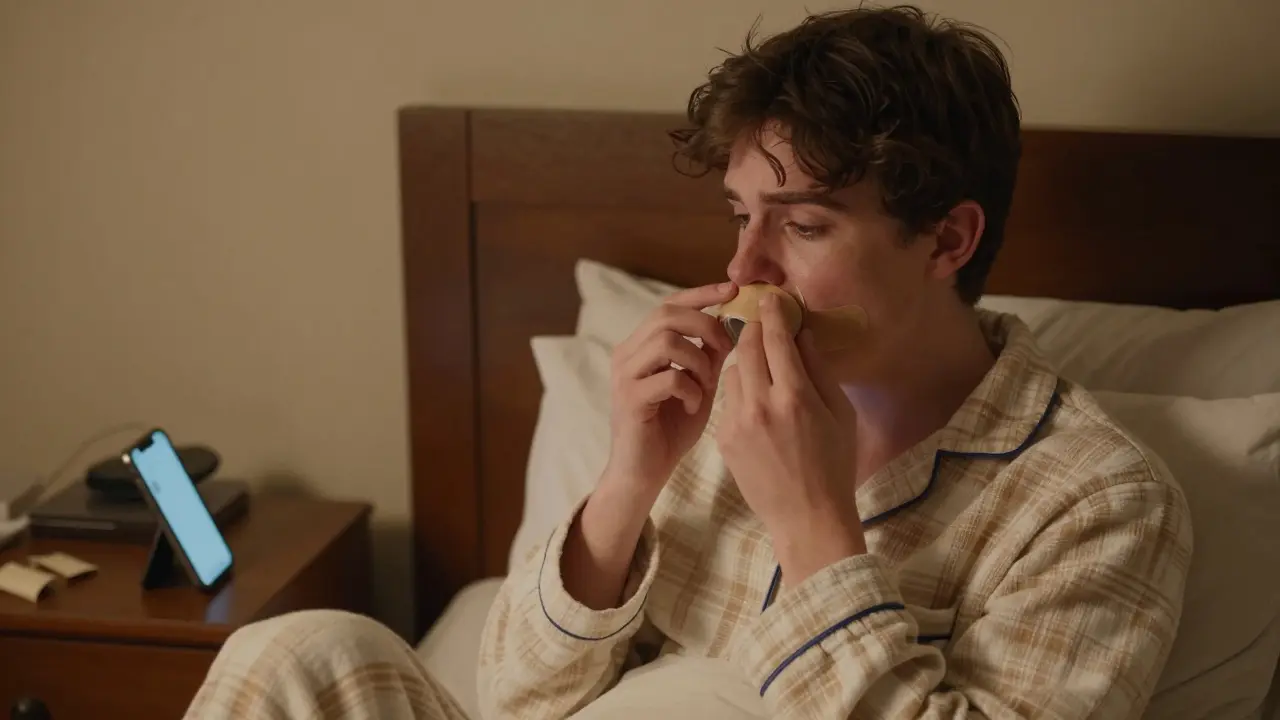
You've likely seen the videos. Influencers on TikTok swear by sticking a piece of tape over their lips before bed. They claim it fixes snoring, improves skin, and gives you the best sleep of your life. It sounds simple and cheap. But here is the truth: mouth taping a practice using adhesive strips over the lips to force nasal breathing during sleep carries serious safety risks that social media often ignores. While the idea behind it-breathing through your nose-is good, the method is dangerous for many people.
If you are thinking about trying this tonight, stop. You need to understand exactly what happens when you seal your mouth shut while sleeping. This isn't just about comfort; it is about airways and oxygen levels. We need to look at what actual doctors say, what the clinical data proves, and why you might be putting yourself at risk for heart disease.
What Is Mouth Taping Really?
Aspect Description Method Applying hypoallergenic tape across lips Purpose Force nasal breathing, stop mouth breathing Common Materials Medical paper tape, sports tape Origin Social media trends (2020-2021)
This concept makes sense on paper because nasal breathing air intake filtered, warmed, and humidified by the nasal passages is generally better for your body than oral breathing. However, forcing your body to follow this rule physically creates a scenario where a blocked nose becomes a crisis. If your nose is stuffed due to allergies, a cold, or structural issues, sealing your mouth traps you.
The Scientific Evidence: Hype vs. Data
You might think, "But everyone says it works." That feeling comes from the millions of views on YouTube and TikTok, not peer-reviewed science. A systematic review published in PLOS One Journal of Open Access Medicine in September 2020 examined 120 articles. Only ten studies actually met the criteria for inclusion, involving a total of 213 patients.
- Two studies showed statistically significant improvements in apnea-hypopnea index (AHI).
- The rest found inconsistent results.
- Overall quality was rated poor.
More recent data helps clarify things further. An NIH study released in 2022 looked specifically at people with mild obstructive sleep apnea. It did find a roughly 50% reduction in snoring for those who could tolerate the tape. But here is the catch: that benefit only worked for the minority who had positional sleep apnea. For those who breathe primarily through their noses naturally, the tape helps nothing. For the rest, it failed completely.
Critical Safety Concerns You Cannot Ignore
The risks outweigh the potential benefits for most people. Dr. Brian Rotenberg, who co-authored the major systematic review on this topic, has stated clearly that taping the mouth shut is dangerous, especially for those unaware they have sleep apnea. These individuals unknowingly make symptoms worse.
The most immediate danger is hypoxia. If you cannot breathe through your nose and your mouth is taped, your oxygen levels drop. A June 2023 study in the Journal of Clinical Sleep Medicine showed that 22% of participants experienced clinically significant oxygen desaturation events while taped compared to 4% during normal sleep. This puts strain on your heart and brain throughout the night.
You also face mechanical issues known as "mouth puffing." Even with your lips sealed, your body tries to pull air in. This causes air to leak around the tape edges violently. It looks harmless on a video, but it disrupts airflow dynamics and can cause anxiety or panic attacks mid-sleep. Reddit users in support communities reported waking up gasping for air, a symptom that terrifies many sleepers.
Expert Medical Consensus
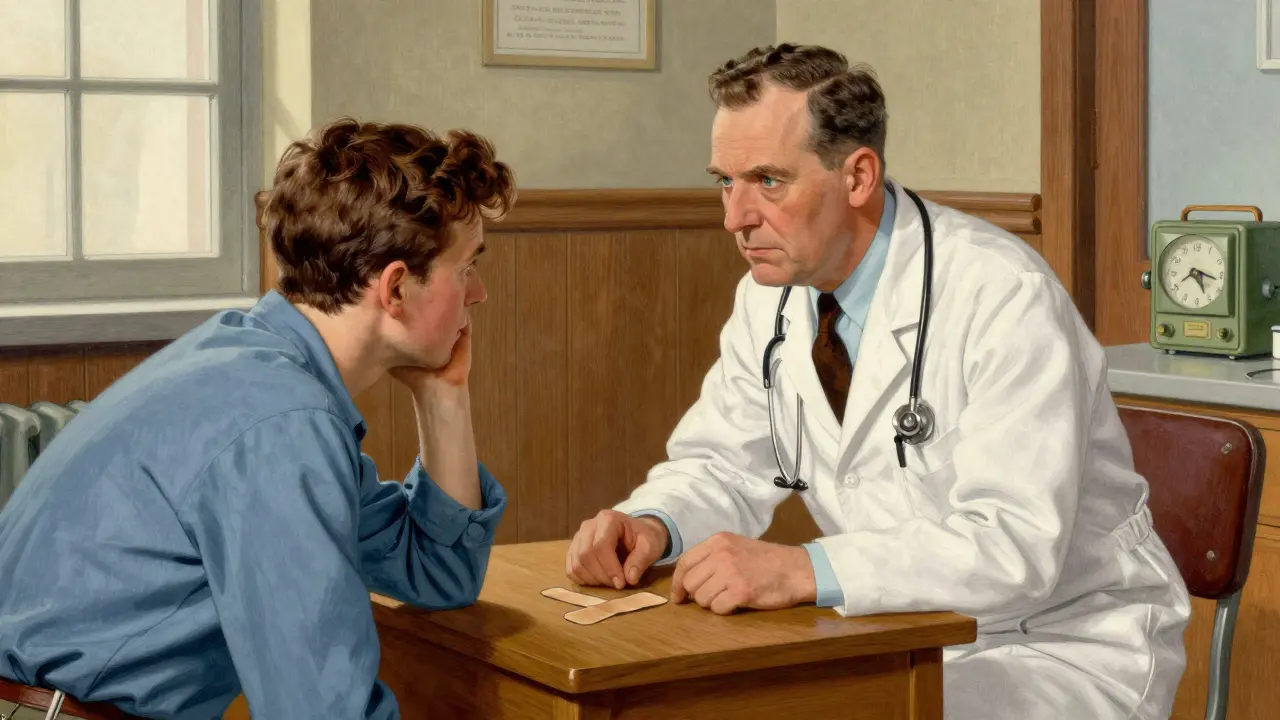
The medical community does not endorse this trend. Major organizations have stepped in to warn the public.
- American Academy of Sleep Medicine (AASM): Has not endorsed mouth taping as a treatment for any condition.
- FDA Status: As of late 2023, the FDA has not approved any specific mouth tape products for treating sleep apnea.
- Harvard Health: Warned there is no research to support the measure and highlighted risks to oxygen levels.
Dr. Hoangmai Nguyen from the Cleveland Clinic advised that mouth taping shouldn't be used if you snore or have respiratory conditions. The reasoning is simple: snoring is often a sign of an obstruction. Covering your mouth without fixing the obstruction forces your system to work harder or fail.
Cost Comparison and Market Reality
One reason mouth taping spreads so quickly is price. A roll of medical tape costs between $5 and $15. Compare this to established treatments:
| Treatment Option | Estimated Cost | Medical Validation |
|---|---|---|
| Mouth Taping Kit | $5 - $15 | None / Poor Evidence |
| CPAP Machine | $500 - $3,000 | Gold Standard (85-90% effective) |
| Mandibular Advancement Device | $1,000 - $2,500 | Strong Clinical Evidence |
While mouth taping is cheaper, the cost of treating undiagnosed sleep issues caused by improper intervention can be much higher. Heart disease, stroke risk, and hypertension are all linked to untreated sleep apnea. Saving $500 on a tape now doesn't offset the medical bills of dealing with long-term cardiac damage later.
Safe Alternatives for Better Sleep
If you want to encourage nasal breathing safely, there are better options that do not involve restricting your airway entirely.
Nasal Dilators
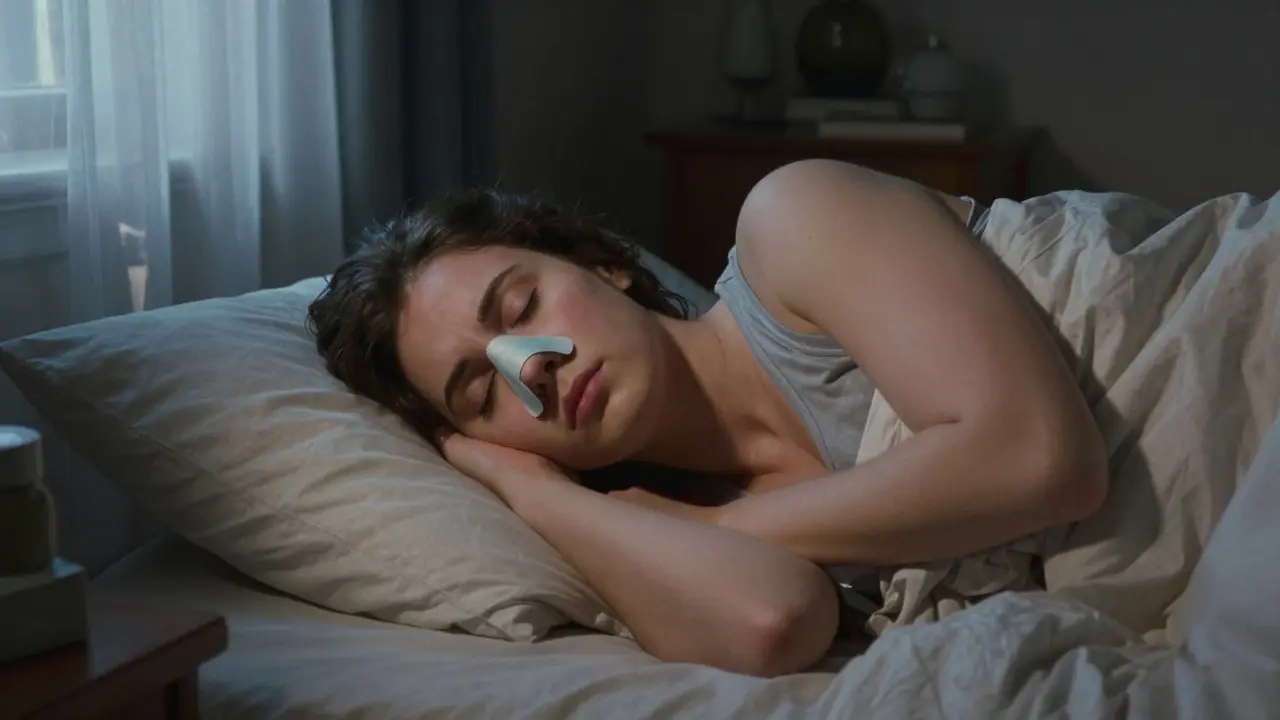
External nasal strips sit on the bridge of your nose. They physically open the nasal valve. They don't block your mouth if your nose gets congested. Recent devices cleared by the FDA in 2023 offer non-invasive relief for snoring.
Allergy Management
If your nose is blocked, saline rinses or antihistamines can clear the path. If you can breathe well through your nose normally, your mouth tends to close on its own during sleep. Fixing the congestion is the real fix, not the tape.
Positional Therapy
Some people only snore on their backs. Wearable alarms or pillows designed to keep you on your side can reduce snoring without blocking air exit routes.
Decision Guide: Is Mouth Taping Right for You?
Before you buy tape, answer these three questions honestly:
- Do you get frequent congestion? If yes, do not tape. You are cutting off your backup airway.
- Do you wake up tired? This suggests sleep fragmentation. Taping may worsen the issue rather than solve it.
- Have you been diagnosed with OSA? If yes, avoid self-treatment. Your doctor needs to monitor your oxygen levels.
In almost every case, the safe route is to see a sleep specialist. A sleep study provides data, not guesses. The 92% of sleep medicine specialists surveyed recently would never recommend unsupervised mouth taping. Trust the consensus.
Is mouth taping safe for everyone?
No, it is not safe for everyone. People with undiagnosed sleep apnea, chronic nasal congestion, or respiratory conditions face high risks of low oxygen levels and breathing difficulties.
Does mouth taping cure sleep apnea?
Current evidence shows it does not reliably treat sleep apnea. Studies indicate inconsistent results, and major medical associations do not recognize it as a standard treatment for OSA.
Can I use regular tape instead of medical tape?
Using regular duct or masking tape is dangerous due to skin injury and toxic adhesives. Only hypoallergenic medical tape should ever be considered, but even then, caution is required.
Why do influencers promote this method?
Social media algorithms favor quick fixes and viral challenges. Many creators lack medical training and prioritize engagement over health safety warnings.
What should I do if I feel I am mouth breathing?
Consult a doctor or ENT specialist to identify the root cause, such as deviated septum or allergies, rather than forcing a seal over your mouth.
Poppy Jackson
March 27, 2026 AT 14:37it is genuinely scary how people overlook the absolute necessity of keeping an open backup airway while unconscious. we really need to prioritize safety above viral trends every single time because life depends on consistent oxygen delivery.
kendra 0712
March 28, 2026 AT 17:53Oh my gosh!!! I am so glad someone finally posted this!!!! The risks are absolutely real!!! We cannot ignore the data coming from legitimate studies!!! Everyone needs to read the section on heart disease!!! It could save lives!!!!!
Sabrina Herciu
March 29, 2026 AT 13:54We have been seeing a lot of misinformation spread through these viral platforms recently!! It is crucial to understand the physiological mechanics behind breathing regulation!!! Nasal airflow dynamics are complex systems that involve nitric oxide production!! Mouth breathing bypasses several filtration layers designed to protect the lungs!! Taping might seem like a quick fix for snoring problems initially!! However it ignores underlying structural issues causing obstruction during sleep cycles!! Many individuals suffer from chronic congestion they do not realize exists!! Blocking the oral airway forces reliance on patent nasal passages exclusively!! If those passages become inflamed due to allergens the body cannot compensate quickly!! Oxygen desaturation events can occur rapidly without external monitoring equipment!! Heart rate variability often drops significantly when breathing pathways are restricted forcibly!! Clinical trials have consistently shown poor outcomes for untreated apnea patients using tape methods!! Doctors recommend proper diagnosis through polysomnography before attempting home remedies!! Safety should always take precedence over convenience in medical contexts involving life support functions!! Please consult a specialist before trying anything that restricts natural reflex actions permanently!!!
Philip Wynkoop
March 31, 2026 AT 06:17I definitely feel safer knowing this :)
Richard Kubíček
April 1, 2026 AT 14:01The human instinct to seek easy solutions is deeply ingrained yet often dangerous. Sometimes simplicity is a trap set by our own desire for efficiency. We forget that biology does not obey the laws of TikTok engagement metrics. There is wisdom in waiting until medical consensus actually forms rather than chasing hype cycles.
Sarah Klingenberg
April 2, 2026 AT 02:21So true! Health shouldn't be a gamble 😌 Glad to see people caring about facts now ✨
Shawn Sauve
April 3, 2026 AT 07:17I appreciate the detailed breakdown here 🙏 Boundaries like these are vital for keeping communities safe 💪
walker texaxsranger
April 5, 2026 AT 06:48you think the data is solid but consider the confounding variables in self reporting mechanisms regarding perceived symptom reduction during nocturnal phases