Oral Chemotherapy: How to Stay Safe, Adherent, and Manage Side Effects
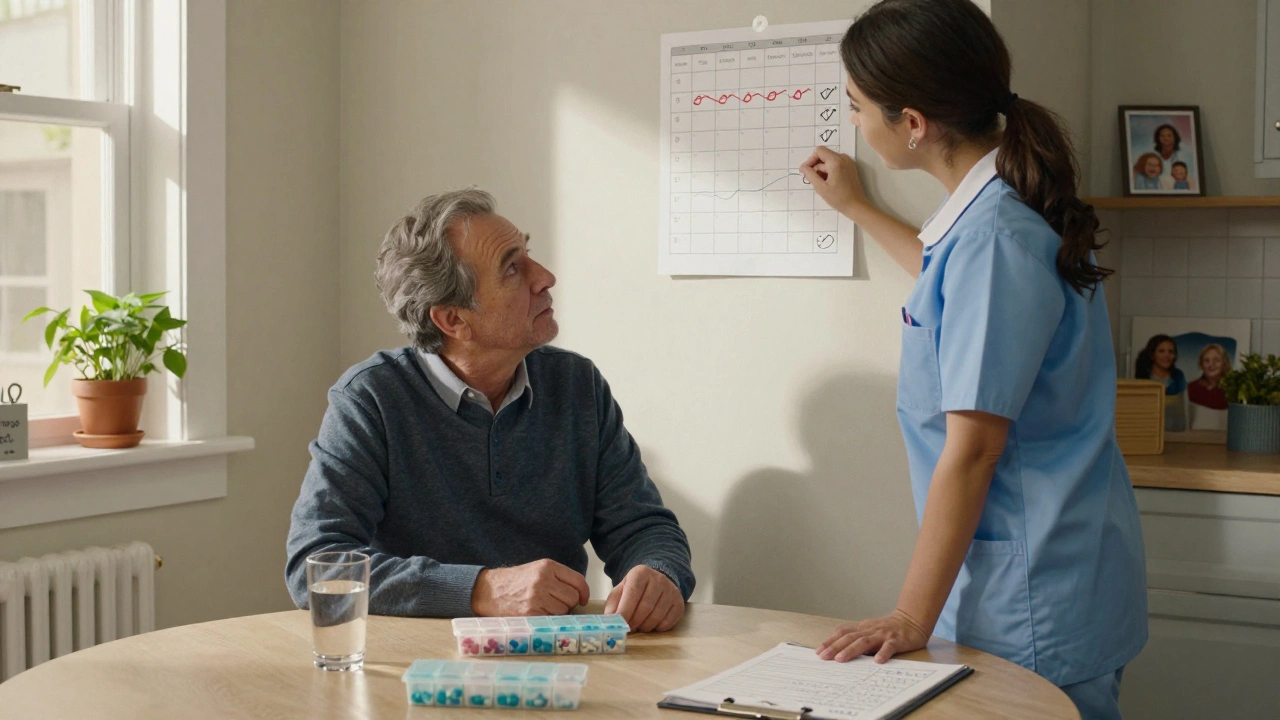
Oral chemotherapy is changing how cancer is treated. Instead of sitting in a clinic for hours every few weeks, patients take pills or liquids at home. It sounds simpler. But this convenience comes with hidden risks. Many people don’t realize that taking chemo by mouth can be more dangerous than IV chemo-if you don’t get the details right.
Why Oral Chemotherapy Is Becoming the Norm
Since 2001, when imatinib (Gleevec) was approved for chronic myeloid leukemia, oral chemotherapy has exploded. Between 2010 and 2020, 35% of all new cancer drugs were designed to be taken by mouth. By 2025, nearly half of all cancer drug spending will be on oral treatments. That’s up from just 28% in 2020. The reason is clear: fewer clinic visits. Patients save an average of 3.7 hours per treatment cycle. For someone juggling work, family, or travel, that matters. But here’s the catch: when you’re in charge of your own treatment, mistakes happen. And those mistakes can be life-threatening.How Oral Chemo Works-And Why It’s Different
Oral chemotherapy drugs don’t all work the same way. They fall into four main groups:- Alkylating agents (like cyclophosphamide): These attack DNA directly, stopping cancer cells from dividing. They’re powerful but rough-65% of patients get low blood counts, and up to 90% lose their hair.
- Antimetabolites (like capecitabine): These trick cancer cells into using fake building blocks. Side effects? Hand-foot syndrome (53% of patients), diarrhea, and mouth sores.
- Topoisomerase inhibitors (like topotecan): These jam the enzymes cancer cells need to copy DNA. They’re often used in lung and ovarian cancers.
- Mitotic inhibitors (like vinca alkaloids): These stop cells from splitting apart. They’re less common as pills but still used in some regimens.
The Biggest Risk: You’re in Charge
With IV chemo, a nurse checks your dose, timing, and reactions. With oral chemo, it’s all on you. And that’s where things go wrong. A 2023 study found that 42% of serious side effects from oral chemo weren’t caused by the drug itself-but by how it was taken. Miss a dose? Take it with food when you shouldn’t? Mix it with an antacid? These small errors can cut the drug’s effectiveness in half-or send your body into toxic overload. Take capecitabine, for example. If you take it with an antacid, your body absorbs 30-50% less of the drug. That means the cancer keeps growing. If you take nilotinib after eating, your blood levels can drop by 80%. That’s not just ineffective-it’s dangerous. Even something as simple as a common cold medicine can be risky. Many oral chemo drugs are broken down by a liver enzyme called CYP3A4. If you take something that blocks it-like ketoconazole or grapefruit juice-your chemo levels can spike by 300%. That can cause organ damage. If you take something that speeds it up-like rifampin-your chemo becomes useless.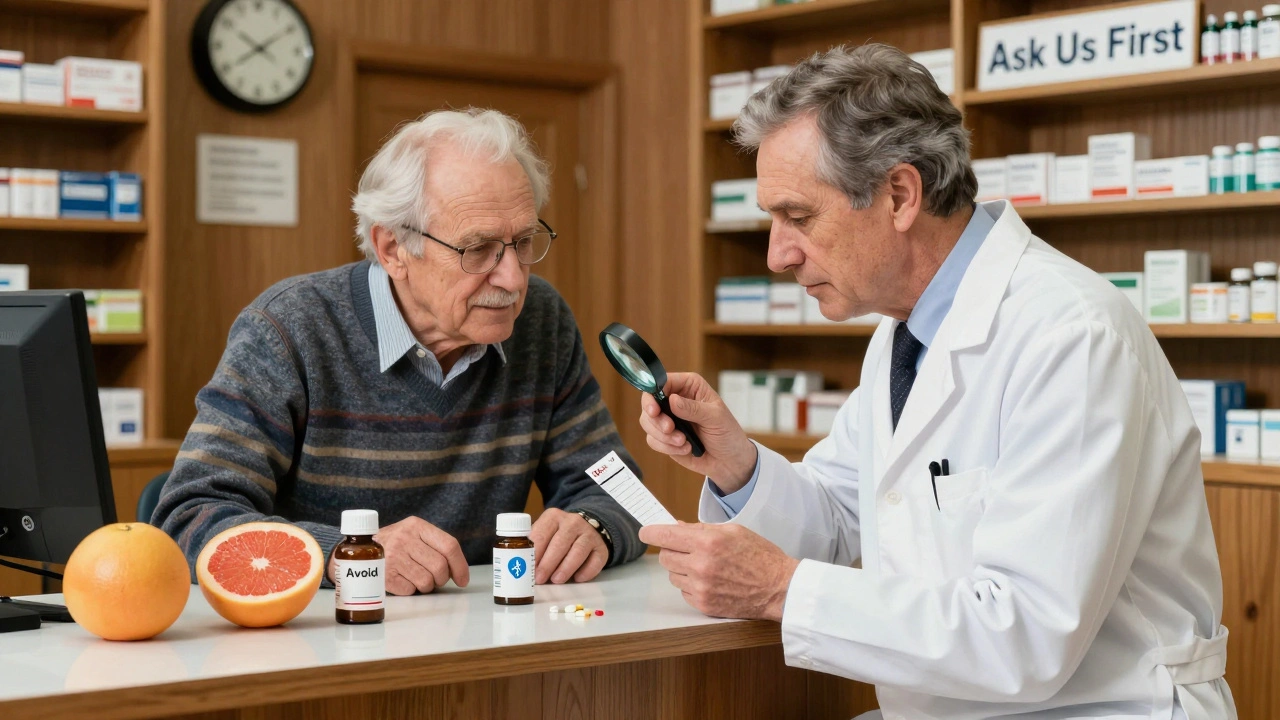
Side Effects You Can’t Ignore
Not all side effects are the same. Traditional chemo causes nausea, fatigue, and hair loss. But oral chemo brings unique problems:- Hand-foot syndrome: Redness, swelling, pain, and peeling on palms and soles. Happens in over half of people on capecitabine. Keep your skin moisturized. Avoid hot water and tight shoes.
- Diarrhea and mouth sores: Common with antimetabolites. Don’t wait until it’s severe. Call your team at the first sign.
- Liver damage: 15-25% of patients get elevated liver enzymes. Regular blood tests aren’t optional-they’re life-saving.
- Low blood counts: Especially with targeted drugs like dasatinib. Weekly blood checks are standard for the first six weeks.
- Skin rashes: Seen in 75-90% of patients on EGFR inhibitors. Often starts as acne-like bumps. Don’t scratch. Use gentle cleansers.
Adherence: The Silent Killer
Only 55-75% of patients take their oral chemo exactly as prescribed. That means 1 in 3 people aren’t getting the full benefit. In IV chemo, adherence is 85-95%. Why the gap?- Complex schedules: Capecitabine is taken twice daily for 14 days, then stopped for 7. Miss one day? You’re off rhythm.
- Diet rules: Some drugs need an empty stomach. Others need food. It’s confusing.
- Side effects: If you feel sick, you might skip a dose. That’s a dangerous mistake.
- Forgetfulness: Pills look alike. Schedules blur together.
How to Stay on Track
If you’re on oral chemo, here’s what actually works:- Get educated-then prove you understand. Ask your nurse to explain your regimen. Then, repeat it back. This is called the “teach-back” method. If you can’t explain it, you won’t remember it.
- Use a pill organizer. Get one with compartments for morning, afternoon, evening, and days of the week. Fill it weekly. Set alarms on your phone.
- Keep a written log. Write down what you took, when, and how you felt. Bring it to every appointment.
- Never mix meds without checking. Even over-the-counter painkillers, herbal supplements, or vitamins can interfere. Always ask your pharmacist.
- Store properly. Most oral chemo drugs need to be kept at room temperature (20-25°C). Don’t leave them in the car or bathroom. Some need refrigeration-check the label.
- Dispose safely. Never flush pills. Use FDA-approved disposal bags. Many pharmacies offer them for free.
- Have a 24/7 contact. Know who to call if you get a fever, can’t keep food down, or feel dizzy. Don’t wait until your next appointment.

What’s New in Oral Chemo
Technology is catching up. In 2021, the FDA approved the Proteus Discover system-a pill with a tiny sensor that tells your care team when you took your dose. Bluetooth-enabled smart pill bottles are in phase 3 trials and are 92% accurate at tracking adherence. Genetic testing is also changing the game. Before starting fluoropyrimidine drugs like capecitabine, doctors now test for DPYD gene mutations. If you have one, your risk of severe toxicity drops by 72% with a dose adjustment. Fixed-dose combinations are making life easier. VerzenioPlus, for example, combines two drugs in one pill. Fewer pills. Fewer chances to mess up.Who’s Responsible?
This isn’t just your job. It’s your care team’s too. The National Comprehensive Cancer Network now requires all accredited cancer centers to have formal oral chemotherapy programs. That means:- A pharmacist reviews your full med list before you start.
- A nurse does a 45-minute education session.
- You get follow-up calls on days 3, 7, and 14.
- Pharmacy refill records are checked to spot missed doses.
Final Thought: Convenience Doesn’t Mean Simplicity
Oral chemotherapy gives you back time. But it demands more responsibility. The same drug that helps you live longer can hurt you if taken wrong. The difference between success and failure often comes down to one thing: how well you and your team manage the details. Don’t assume you know what to do. Ask questions. Write things down. Call when something feels off. You’re not just a patient-you’re the most important part of your treatment team.Can I take oral chemotherapy with food?
It depends on the drug. Some, like capecitabine, work best with food. Others, like nilotinib, must be taken on an empty stomach-no eating for 2 hours before and after. Always check your prescription label or ask your pharmacist. Taking it the wrong way can make the drug less effective or more toxic.
What should I do if I miss a dose?
Don’t double up. If you miss a dose by less than 4 hours, take it right away. If it’s been longer, skip it and take your next dose at the regular time. Never take two doses at once unless your doctor tells you to. Call your care team if you miss more than one dose in a row.
Can I drink alcohol while on oral chemotherapy?
It’s usually not recommended. Alcohol can worsen liver damage, dehydration, and nausea-all common side effects of oral chemo. Some drugs, like methotrexate, can cause serious liver toxicity when mixed with alcohol. Always ask your oncologist before drinking, even a small amount.
Why do I need blood tests so often?
Oral chemo can lower your white blood cells, red blood cells, and platelets without you noticing. Low counts increase your risk of infection, fatigue, and bleeding. Weekly blood tests in the first few weeks catch these drops early. For targeted drugs like dasatinib, monitoring is even more critical-you might need tests every week for the first month.
Are there any foods I should avoid?
Yes. Grapefruit and Seville oranges block a liver enzyme that breaks down many oral chemo drugs, causing dangerous buildup. Avoid them entirely. Also, avoid herbal supplements like St. John’s Wort, which can make chemo less effective. Always check with your pharmacist before trying new foods or supplements.
How do I know if my chemo is working?
You won’t feel it directly. Cancer doesn’t always cause symptoms you can notice. Your care team uses scans, blood tests, and tumor markers to track progress. The most important thing? Taking every dose as prescribed. Even if you feel fine, skipping doses lets cancer grow. Adherence is the best indicator of treatment success.
What if I can’t afford my oral chemo?
Cost is a major reason people skip doses. Ask your oncology social worker or pharmacist about patient assistance programs. Many drug manufacturers offer free or discounted pills for those who qualify. Some nonprofits also help with co-pays. Never stop treatment because of cost-there are options.
Arun kumar
December 2, 2025 AT 19:31Joel Deang
December 3, 2025 AT 06:15Roger Leiton
December 4, 2025 AT 11:56Laura Baur
December 6, 2025 AT 03:06Jack Dao
December 7, 2025 AT 11:06dave nevogt
December 9, 2025 AT 06:20Lynn Steiner
December 10, 2025 AT 23:21Alicia Marks
December 12, 2025 AT 20:17Paul Keller
December 13, 2025 AT 20:51Shannara Jenkins
December 14, 2025 AT 14:43Elizabeth Grace
December 15, 2025 AT 09:58Steve Enck
December 17, 2025 AT 09:11Jay Everett
December 18, 2025 AT 20:29मनोज कुमार
December 19, 2025 AT 03:45