Pharmacokinetic vs Pharmacodynamic Drug Interactions: A Simple Guide
Drug Interaction Classifier
How to use: Select a clinical scenario below to identify whether it describes a Pharmacokinetic (PK) or Pharmacodynamic (PD) interaction.
Clinical Scenarios
Click a scenario on the left to analyze the interaction type.
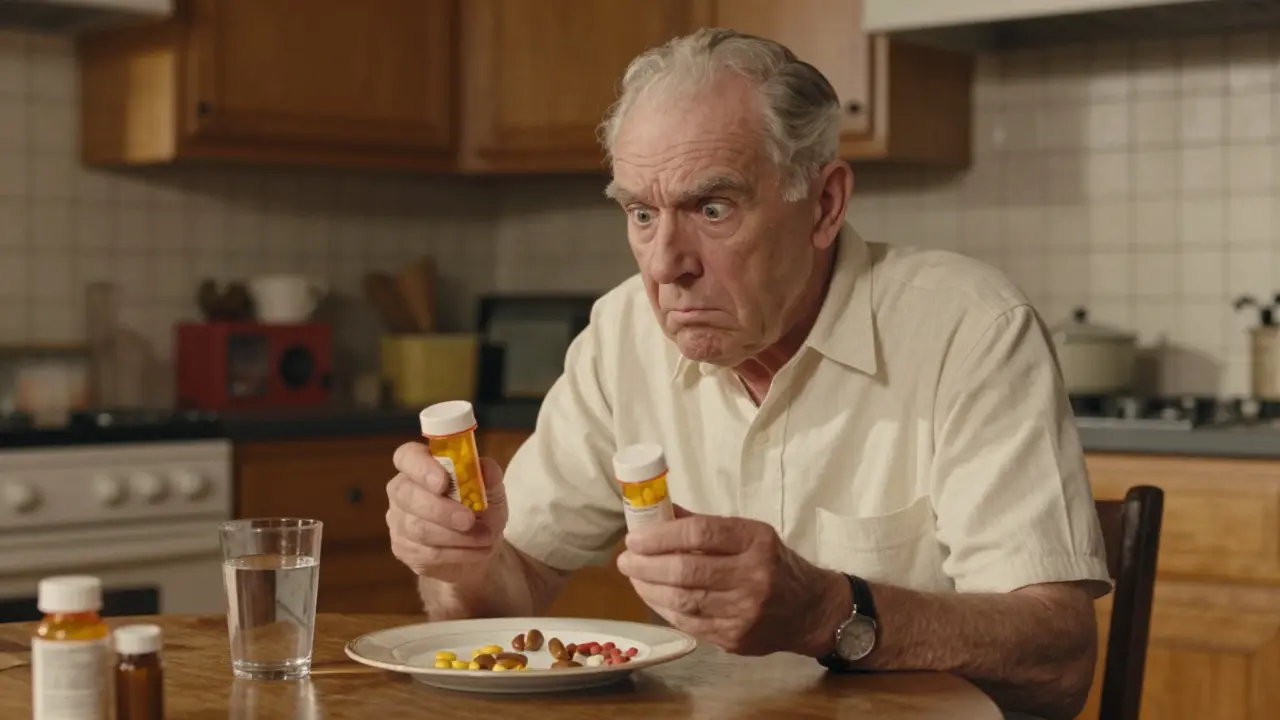
Have you ever wondered why your doctor tells you not to take a specific medication with your morning antacids, or why some drugs can't be mixed even if they don't interfere with each other's levels in the blood? It usually comes down to a clash in how your body handles the medicine versus how the medicine handles your body. When two drugs interact, they don't just "not get along"; they change the way a treatment works, sometimes making it useless or, in worse cases, dangerous.
To understand this, we have to look at the two main ways drugs interfere with one another: pharmacokinetics is what your body does to the drug, while pharmacodynamics is what the drug does to your body. If you're managing multiple prescriptions-what doctors call polypharmacy-knowing the difference is the key to avoiding a trip to the emergency room.
How Pharmacokinetic Interactions Work: The Delivery Problem
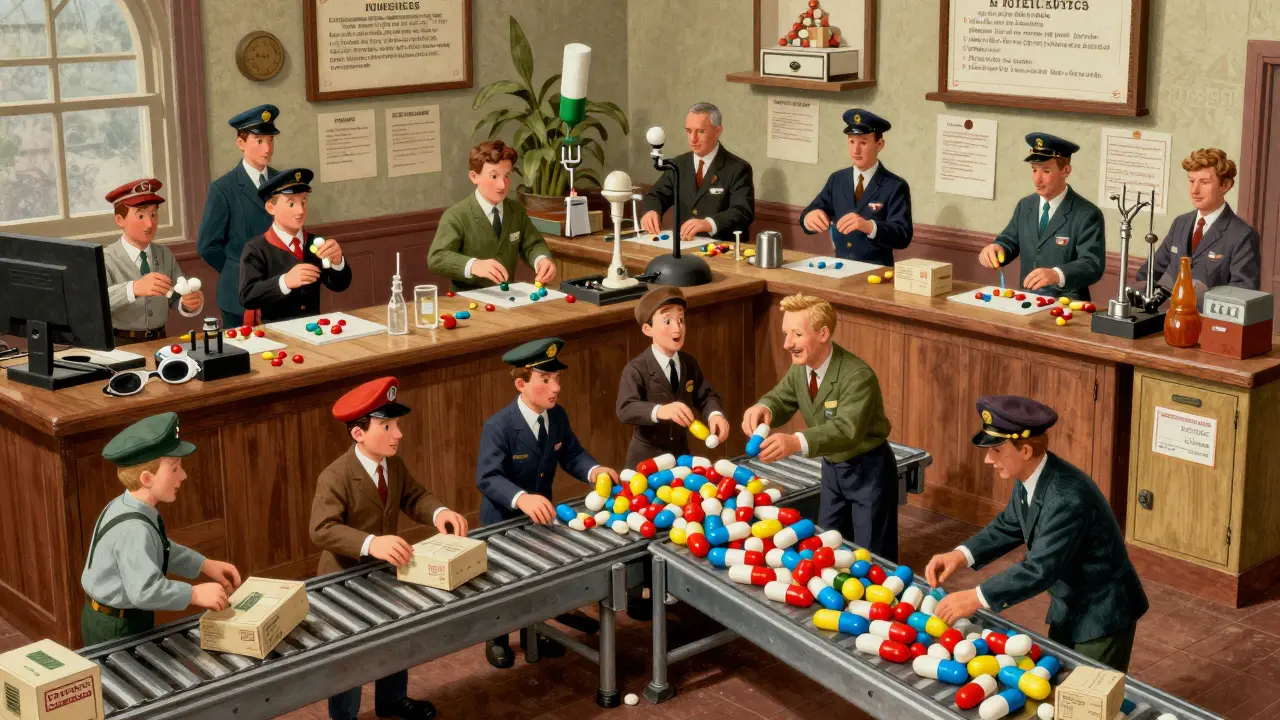
Think of pharmacokinetics as the logistics and delivery system of a drug. For a pill to work, it has to be absorbed, travel through your blood, get processed by your liver, and eventually leave your body. A pharmacokinetic interaction happens when one drug messes with this delivery schedule, changing the concentration of another drug in your system.
This happens through four main stages, often abbreviated as ADME:
- Absorption: This is how the drug gets into your bloodstream. For example, if you take an antacid at the same time as certain quinolone antibiotics, the antacid can block the antibiotic from being absorbed. In some cases, this can reduce the drug's effectiveness by as much as 90%.
- Distribution: Once in the blood, drugs often hitch a ride on proteins. If a new drug kicks another drug off its protein "seat," the amount of free, active drug in your blood spikes. A classic example is when phenylbutazone displaces warfarin, potentially increasing the free concentration of the blood thinner by 300%.
- Metabolism: This is where the liver comes in. The Cytochrome P450 system (especially the CYP3A4 enzyme) handles about 75% of all metabolism-based interactions. If one drug blocks this enzyme, the other drug piles up in your system. Clarithromycin, for instance, can inhibit CYP3A4, causing simvastatin levels to jump 10-fold.
- Excretion: This is the exit strategy. Some drugs slow down the kidneys' ability to flush out other medicines. Probenecid is a well-known example that can cut the clearance of penicillin in half.
Because these interactions change the actual amount of drug in your blood, doctors can often manage them by adjusting the dose or timing. If they know a drug is slowing down metabolism, they might simply lower your dose to keep you in the safe zone.
How Pharmacodynamic Interactions Work: The Effect Problem
Pharmacodynamic interactions are different. In this scenario, the drug levels in your blood might be perfectly normal, but the effect at the target site is altered. It's not a delivery problem; it's a communication problem. The drugs are essentially fighting over the same receptors or hitting the same physiological "buttons" in your body.
These interactions usually fall into three categories:
- Additive: This is 1 + 1 = 2. Both drugs do the same thing, and the result is just more of that effect. Taking warfarin and aspirin together increases your bleeding risk because both thin the blood, even if neither changes the other's concentration.
- Synergistic: This is 1 + 1 = 5. The combined effect is way stronger than the sum of its parts. A dangerous example is mixing sildenafil (Viagra) with nitrates; both drop blood pressure, but together they can cause a severe, life-threatening crash in hypotension.
- Antagonistic: This is when drugs work against each other. One drug blocks the other. The most famous example is naloxone, which is used to reverse opioid overdoses by kicking the opioids off their receptors.
These are often harder to predict because they don't show up on a blood test. You can't just "measure the level" of a pharmacodynamic interaction; you have to monitor the patient's actual physical response.
| Feature | Pharmacokinetic (PK) | Pharmacodynamic (PD) |
|---|---|---|
| Core Concept | Concentration (Amount of drug) | Response (Effect of drug) |
| Main Driver | Liver enzymes, Kidneys, Gut | Receptors, Physiological pathways |
| Detection | Therapeutic Drug Monitoring (Blood tests) | Clinical Observation (Physical symptoms) |
| Management | Dose adjustment or timing change | Complete avoidance of the combination |
| Common Area | Narrow therapeutic index drugs | CNS and Cardiovascular meds |
Why This Matters for Your Safety
If you are over 65, there is a decent chance you are taking five or more medications daily. This makes you a prime candidate for these interactions. In the UK, adverse drug events account for nearly 7% of all hospital admissions, and a huge chunk of those are caused by these PK and PD clashes.
The danger is that some interactions happen instantly, while others sneak up on you. A pharmacokinetic interaction involving liver enzymes might take 3 to 5 days to reach its full effect as the enzyme levels shift. A pharmacodynamic interaction, like mixing two sedatives, can happen the moment the second pill hits your system, potentially slowing your breathing to dangerous levels.
One subtle but common danger is the use of NSAIDs (like ibuprofen) with ACE inhibitors (blood pressure meds). You might think they do totally different things, but they interact via a pharmacodynamic pathway involving prostaglandins. This can reduce the effectiveness of your blood pressure medicine by 25% to 30%, leaving your hypertension uncontrolled even though you're taking your meds.
Practical Tips for Managing Multiple Meds
You don't need a pharmacology degree to stay safe, but you should be proactive. The most effective way to stop these interactions is through pharmacist-managed medication therapy. Studies show that having a pharmacist review your entire list can reduce interaction-related adverse events by over 40%.
Here are a few rules of thumb:
- Keep a Master List: Include every supplement, vitamin, and over-the-counter cream. St. John's Wort, for example, is a powerful inducer of CYP3A4 and can make other drugs less effective.
- Ask About Timing: If a drug is a PK interaction (like an antacid), simply taking it two hours after your antibiotic might solve the problem.
- Monitor the "Red Flags": For PD interactions, look for symptoms. If you're on blood thinners and notice unusual bruising, or if you're on CNS depressants and feel abnormally sleepy, tell your doctor immediately.
- TDM for High-Risk Drugs: If you take narrow therapeutic index drugs-like digoxin or phenytoin-ensure your doctor is using Therapeutic Drug Monitoring (TDM) to check your blood levels regularly.
Can a drug be both a pharmacokinetic and pharmacodynamic interaction?
Yes. While they are categorized separately for science, in the real world, two drugs can interact in both ways. One drug might inhibit the metabolism of another (PK), increasing its concentration in the blood, while simultaneously hitting the same receptors to amplify the effect (PD). This "double hit" significantly increases the risk of toxicity.
Which type of interaction is more dangerous?
Neither is inherently "more dangerous," but they are dangerous in different ways. PK interactions are often easier to fix with a dose change. PD interactions are often more severe because they can't be "dosed away"-if two drugs cause a synergistic crash in blood pressure, the only solution is usually to stop one of the medications entirely.
Do vitamins and supplements cause these interactions?
Absolutely. Many people assume "natural" means safe, but supplements are potent chemicals. Some act as potent inhibitors or inducers of the CYP450 enzyme system, leading to major pharmacokinetic shifts in how your prescription meds are processed.
How can I tell if I'm having a drug interaction?
Look for a sudden change in how a drug works. If a medication that usually works suddenly stops being effective, or if you develop new side effects shortly after starting a second medication, it could be an interaction. Always contact your healthcare provider before changing your dose.
Why can't doctors just predict all of these?
While many are well-documented, some interactions are complex. Genetics play a huge role-your specific DNA determines how many CYP enzymes you have, meaning a dose that is safe for one person might be toxic for another. New AI models are improving prediction accuracy, but clinical observation remains the gold standard.
Next Steps for Patients and Caregivers
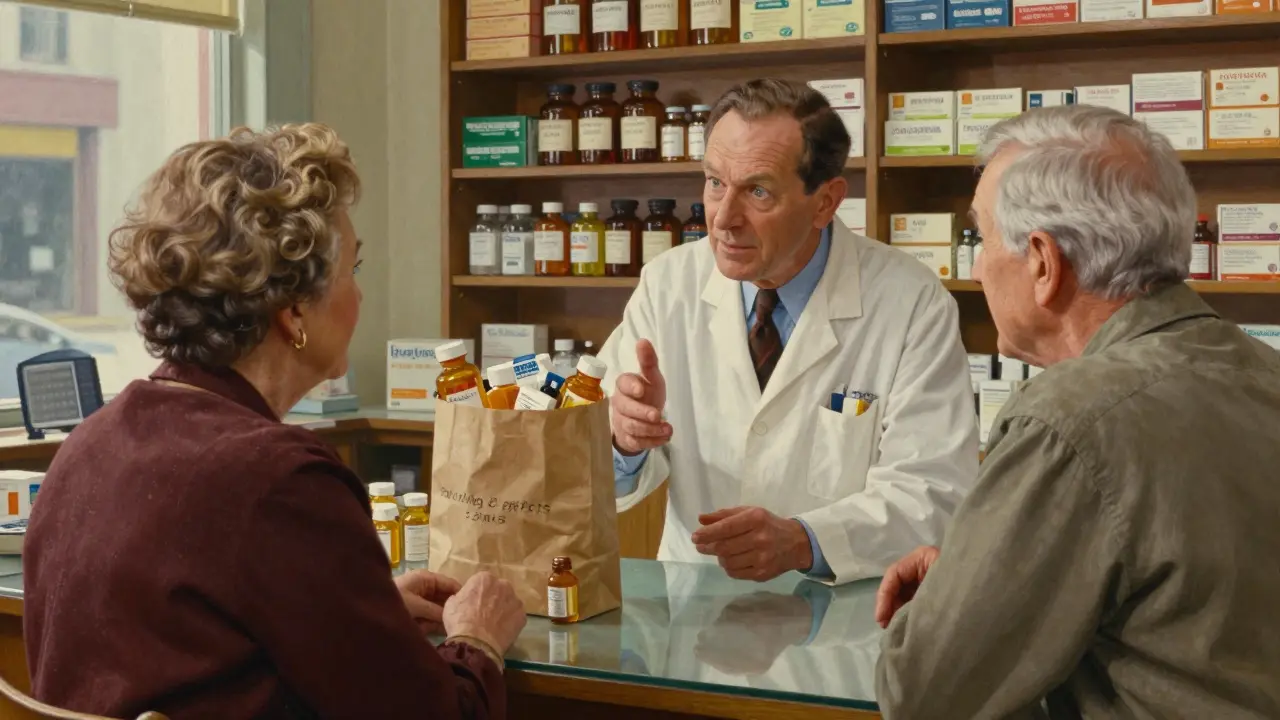
If you're worried about your current medications, the best first step is a "brown bag review." Put every single thing you take into a bag and take it to your pharmacist. Ask them specifically: "Are there any pharmacokinetic interactions where one drug is changing the level of another, or any pharmacodynamic interactions where the effects are stacking up too much?"
For those caring for elderly parents, be especially vigilant about new prescriptions. A new drug for a cold or a sleep aid can trigger a cascade of interactions with long-term heart or blood pressure medications that have been stable for years.
Jasmin Stowers
April 13, 2026 AT 10:34good breakdown simple and clear
Clint Humphreys
April 15, 2026 AT 07:36It is all very interesting how they explain this to us but you have to wonder why the pharmaceutical companies are so eager to push polypharmacy on the elderly when they know these interactions are just waiting to happen and maybe it is not just a mistake but a way to keep people coming back to the clinic for more fixes to the problems created by the first pill they gave you just to keep the profit margins high while pretending to care about our health with these little guides
john chiong
April 17, 2026 AT 06:03this is a goddamn circus of chemical warfare in the veins and people just blindly swallow whatever the white coat tells them without a shred of skepticism for the corporate slurry they are being fed
Haley Moore
April 18, 2026 AT 06:23Ugh, imagine not knowing the basics of ADME before reading this 🙄 like, please, it is barely an intro but I guess some people actually need their hands held through the most basic pharmacology
Shaylia Helland
April 20, 2026 AT 02:53i just remember my grandma taking like twenty different pills and her pharmacist was always the only one who actually seemed to notice when things were clashing and it is kind of wild how much we trust the system without realizing how these little chemical reactions are just happening inside us without any real oversight from the actual doctors who just spend five minutes in the room
melissa mac
April 21, 2026 AT 03:42The brown bag review is such a fantastic suggestion for caregivers to implement to ensure everyone is safe.
Catherine Mailum
April 21, 2026 AT 19:10oh sure just put your meds in a bag and hope the pharmacist has a spare second to actually look at them while they are understaffed and stressed out because that always works so perfectly in the real world
Clare Elizabeth
April 23, 2026 AT 04:13Let's stay positive though because knowing this stuff empowers us to take charge of our own health and talk to our doctors with confidence
Sam Dyer
April 24, 2026 AT 18:10The US healthcare system is a joke compared to how the actual science works 🙄 basic stuff here but most people are too lazy to read the insert in the box
Kenzie Evans
April 25, 2026 AT 06:58This guide is way too simplified and ignores the nuance of genetic polymorphism in CYP enzymes which is where the real danger lies for most people
Princess Busaco
April 26, 2026 AT 21:09I honestly find it laughable that people think a simple list of supplements is enough because the industry is so unregulated that half the things in your 'natural' bottle aren't even what the label says they are and you're just playing Russian roulette with your liver enzymes while pretending you're being healthy and holistic which is just a fancy word for ignoring the actual biochemistry of the human body in favor of a trend
Mary Johnson
April 27, 2026 AT 14:24They don't want you to know that some of these interactions are intentionally designed to make you dependent on multiple drugs for the rest of your life!
Rim Linda
April 28, 2026 AT 09:06The part about the blood pressure meds and ibuprofen is actually terrifying 😱
Tabatha Pugh
April 28, 2026 AT 17:37Most people forget that grapefruit juice is a massive CYP3A4 inhibitor and it is a classic example of PK interaction that people always overlook
Becca Suttmiller
April 29, 2026 AT 18:34It is very helpful to have a clear distinction between concentration and response for those of us managing care for others.