Sleep and Mental Health: How Treating Insomnia Helps with Depression and Anxiety
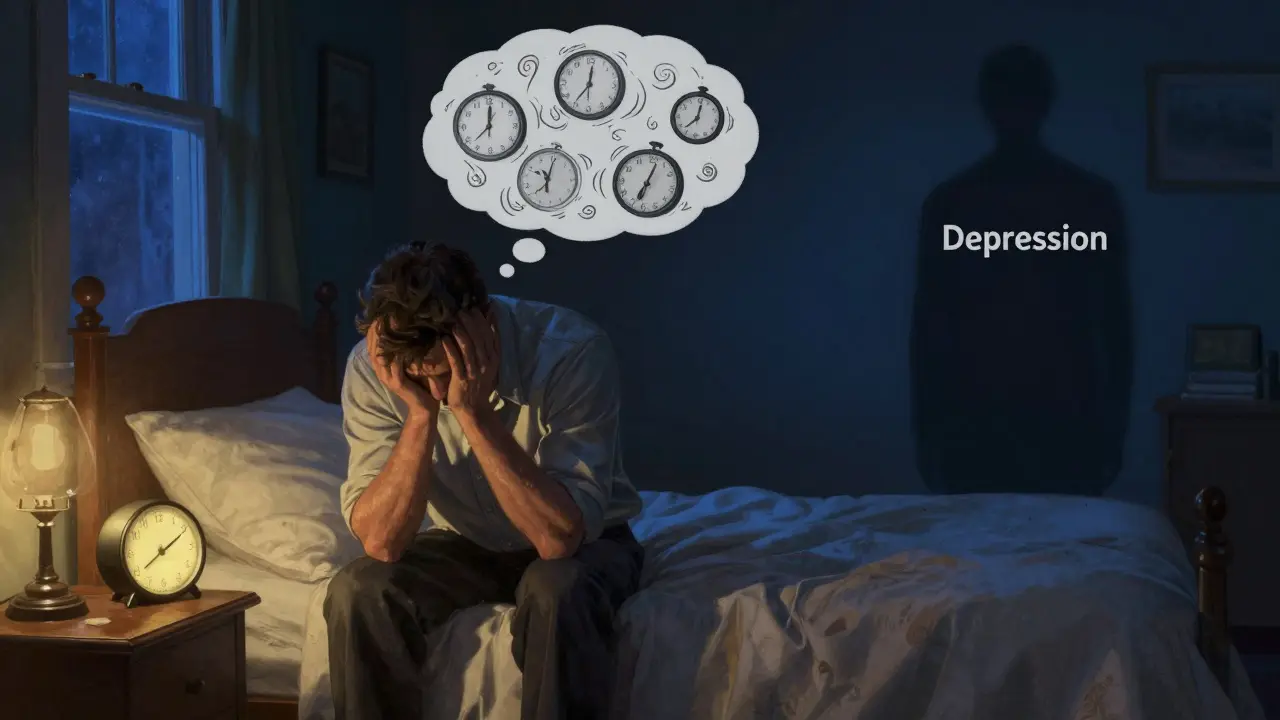
Insomnia Isn’t Just Trouble Sleeping - It’s a Major Risk Factor for Depression and Anxiety
If you’ve ever lain awake for hours, mind racing with worries, you know how brutal insomnia feels. But what most people don’t realize is that this isn’t just a nuisance - it’s a serious warning sign. Research now shows that chronic insomnia doesn’t just happen alongside depression and anxiety; it actively fuels them. People with long-term sleep problems are 40 times more likely to develop severe depression than those who sleep well. That’s not a coincidence. It’s a cause-and-effect relationship backed by decades of clinical data.
Why CBT-I Is the Gold Standard for Treating Insomnia in Mental Health
The most effective treatment for insomnia - especially when it’s tied to depression or anxiety - isn’t a pill. It’s Cognitive Behavioral Therapy for Insomnia, or CBT-I. Unlike sleeping pills that only mask the problem, CBT-I targets the root causes: broken sleep habits and distorted thoughts about sleep. It’s not vague advice like “just relax” or “go to bed earlier.” It’s a structured, science-backed program that rewires how your brain and body handle sleep.
CBT-I typically runs for 6 to 8 weeks, with weekly 50- to 60-minute sessions. It includes four core techniques:
- Stimulus control: Your bed is only for sleep and sex. No scrolling, no working, no watching TV in bed. If you can’t fall asleep in 20 minutes, get up and do something quiet until you feel sleepy.
- Sleep restriction: You spend less time in bed than you think you need - even if it feels counterintuitive. If you’re only sleeping 5 hours a night, you’re only allowed to be in bed for 5 hours. This builds sleep pressure and resets your internal clock.
- Relaxation training: Techniques like diaphragmatic breathing and progressive muscle relaxation calm your nervous system, which is often stuck in “high alert” with anxiety or depression.
- Cognitive therapy: You challenge beliefs like “I need 8 hours or I’ll collapse” or “If I don’t sleep tonight, tomorrow will be ruined.” These thoughts keep you anxious and awake.
Studies show that when people complete CBT-I, their insomnia symptoms drop by 50% or more. But the real win? Their depression and anxiety symptoms drop too - often as much as with antidepressants.
CBT-I Works Better Than Medication in the Long Run
Many people turn to sleep aids like zolpidem (Ambien) when they can’t sleep. These drugs can help in the short term - but they don’t fix the underlying problem. A 2025 study in Nature Scientific Reports found that while both zolpidem and CBT-I improved sleep and mood in the first few weeks, only CBT-I led to lasting results. People who used pills were just as likely to relapse after stopping them. Those who did CBT-I kept sleeping better - even a year later.
Why? Because pills suppress symptoms. CBT-I rebuilds the system. It teaches your brain to associate bed with rest, not fear. It reduces the overactive stress response that keeps you wired at night. Brain imaging studies show that after CBT-I, levels of cortisol, ACTH, and other stress hormones - which are often sky-high in people with depression and insomnia - return to normal.
Insomnia Treatment Can Prevent Depression Before It Starts
This is the game-changer: treating insomnia doesn’t just make you feel better - it can stop depression from developing in the first place. A 2023 review in Sleep journal analyzed 186 studies and found that people who completed CBT-I and achieved full insomnia remission were 83% less likely to develop major depression later on. That’s not a small effect. That’s prevention on a population level.
One key finding: it’s not enough to just attend therapy. You have to actually fix your sleep. People who went through CBT-I but still had trouble sleeping afterward had nearly 3.5 times higher risk of depression than those who got their sleep back on track. This proves that insomnia isn’t just a symptom - it’s a trigger.

Digital CBT-I Is Making Treatment More Accessible
One of the biggest barriers to CBT-I? Finding a trained therapist. Only 1 to 2% of U.S. psychologists are certified in CBT-I. Insurance often doesn’t cover it. That’s where digital platforms like Sleepio and SHUTi come in.
These apps deliver the same evidence-based CBT-I protocol through videos, interactive exercises, and automated feedback. A 2024 study found that 76% of users saw a clinically meaningful drop in insomnia severity - the same rate as in-person therapy. One trial showed a 57% lower chance of developing moderate-to-severe depression among app users compared to those who just got sleep education materials.
During the pandemic, telehealth CBT-I use jumped 300%. That’s progress - but it’s still not enough. An estimated 30 to 35% of Americans have insomnia symptoms. Only 5% of them get proper treatment.
Why So Few People Get Help - And How to Change That
There’s a huge gap between what works and what people actually receive. Many doctors still treat insomnia as a side effect of depression, not a core issue. They prescribe sleep meds and move on. But research shows that treating sleep first leads to better outcomes.
Kaiser Permanente started screening all depression patients for insomnia in 2022. Those who got CBT-I had a 22% lower chance of relapsing into depression. That’s a massive win for healthcare systems - and for patients.
Still, challenges remain:
- Initial sleep restriction feels awful. About 70% of people report feeling exhausted in the first week. But it gets better.
- Keeping a sleep diary feels tedious. But it’s essential - tracking your sleep helps you spot patterns and stay accountable.
- Insurance coverage is patchy. Many plans don’t cover CBT-I, even though it’s cheaper long-term than ongoing medication or ER visits.
One solution? Push for integration. Mental health clinics should screen for insomnia the same way they screen for suicidal thoughts. Primary care doctors should refer patients to CBT-I before prescribing sleeping pills.
Combining CBT-I With Antidepressants Can Boost Results
For people already on antidepressants like sertraline, adding CBT-I makes a big difference. A 2024 study in JAMA Psychiatry found that patients who got both treatments had a 40% higher chance of full depression remission than those who only took the medication.
This isn’t about replacing drugs - it’s about layering treatments. Medication can help stabilize mood. CBT-I fixes the sleep engine. Together, they work faster and last longer.

What If CBT-I Doesn’t Work for You?
It’s not a magic bullet. About 30 to 40% of people don’t achieve full remission - and that’s okay. Even partial improvement in sleep can reduce anxiety and improve daily functioning. If CBT-I doesn’t fully resolve your insomnia, it’s still worth continuing. Small wins matter.
Some people benefit from combining CBT-I with light therapy, mindfulness, or even low-dose melatonin (used temporarily). Others need more support for underlying trauma or ADHD that’s disrupting sleep. The key is to keep working with a provider who understands the link between sleep and mental health.
The Bigger Picture: Sleep Is a Mental Health Priority
We treat sleep like an afterthought - something you do when everything else is done. But science says otherwise. Sleep is the foundation of emotional regulation, memory, stress recovery, and brain detoxification. When sleep breaks down, so does your mental resilience.
Insomnia treatment isn’t just about getting more hours. It’s about restoring your nervous system, quieting your mind, and breaking the cycle of fear that keeps you awake. For people with depression or anxiety, fixing sleep isn’t a side project - it’s the most important step they can take.
And the data is clear: if you’re struggling with sleep and mood, don’t wait. Start with CBT-I - whether in person or through a trusted digital platform. Your brain will thank you.
Can insomnia cause depression, or is it just a symptom?
Insomnia isn’t just a symptom - it’s a direct contributor. Research shows that chronic insomnia increases your risk of developing depression by up to 40 times. Studies using Mendelian randomization confirm a causal link: poor sleep doesn’t just accompany depression, it actively triggers it. Treating insomnia can prevent depression from starting or returning.
Is CBT-I better than sleeping pills for depression-related insomnia?
Yes - by a wide margin. Sleeping pills like zolpidem may help you fall asleep faster in the short term, but they don’t change the underlying habits or thoughts keeping you awake. CBT-I addresses those root causes. Studies show CBT-I leads to lasting sleep improvements and reduces depression relapse by up to 50%, while pills offer no long-term protection and can lead to dependence.
How long does it take for CBT-I to work?
Most people start seeing improvements in sleep within 2 to 3 weeks, but full benefits usually take 6 to 8 weeks. The first week can be tough - especially with sleep restriction, which temporarily reduces your time in bed. But by week 4, most people report deeper sleep, less anxiety about bedtime, and better daytime energy. The key is consistency, not speed.
Can I do CBT-I on my own with an app?
Yes - and many people do. Digital platforms like Sleepio and SHUTi are clinically proven to be as effective as in-person CBT-I for most users. They guide you through each component with videos, daily logs, and personalized feedback. They’re especially helpful if you can’t find a local therapist or face insurance barriers. Just make sure the app is evidence-based and not just a relaxation tool.
What if I’ve tried CBT-I and it didn’t work?
It’s not uncommon for CBT-I to help only partially. About 30-40% of people don’t achieve full remission. But even small improvements in sleep can reduce anxiety and improve mood. If you didn’t respond well, talk to your provider about combining it with other approaches - like light therapy, mindfulness, or adjusting antidepressants. Sometimes, underlying issues like trauma, ADHD, or circadian rhythm disorders need to be addressed too.
Is CBT-I covered by insurance?
Sometimes - but not always. Many insurance plans still don’t cover CBT-I, even though it’s proven to reduce long-term healthcare costs. Some employers offer mental health apps as part of wellness programs. Check with your provider or look for sliding-scale clinics. Digital CBT-I apps are often cheaper and sometimes covered under telehealth benefits.
How do I know if my insomnia is linked to depression or anxiety?
If your sleep problems started before your mood symptoms, or if they persist even when your mood improves, insomnia is likely a separate, driving factor. Also, if you lie awake worrying about sleep itself - “What if I don’t sleep?” - that’s a sign of anxiety-driven insomnia. A sleep specialist can help distinguish whether your sleep issues are a symptom or a cause.
What to Do Next
If you’re struggling with sleep and feeling down or anxious, don’t wait for things to get worse. Start by tracking your sleep for a week - note when you go to bed, when you wake up, and what’s going through your mind at night. Then, look for a CBT-I program - either through your doctor, a mental health provider, or a reputable app like Sleepio or SHUTi. You don’t need to fix everything at once. Just take one step: commit to getting out of bed if you’re not sleeping. That small action can start the chain reaction that leads to real change.
Arlene Mathison
January 21, 2026 AT 04:21pragya mishra
January 21, 2026 AT 19:20Manoj Kumar Billigunta
January 22, 2026 AT 08:19Andy Thompson
January 22, 2026 AT 09:16sagar sanadi
January 23, 2026 AT 23:02clifford hoang
January 24, 2026 AT 06:57Paul Barnes
January 25, 2026 AT 19:20Edith Brederode
January 26, 2026 AT 12:25Greg Robertson
January 27, 2026 AT 08:01Renee Stringer
January 29, 2026 AT 00:48Crystal August
January 29, 2026 AT 09:36Nadia Watson
January 30, 2026 AT 00:27Courtney Carra
January 31, 2026 AT 15:07