Sleep Problems and Insomnia Caused by Medications: Practical Tips to Fix It
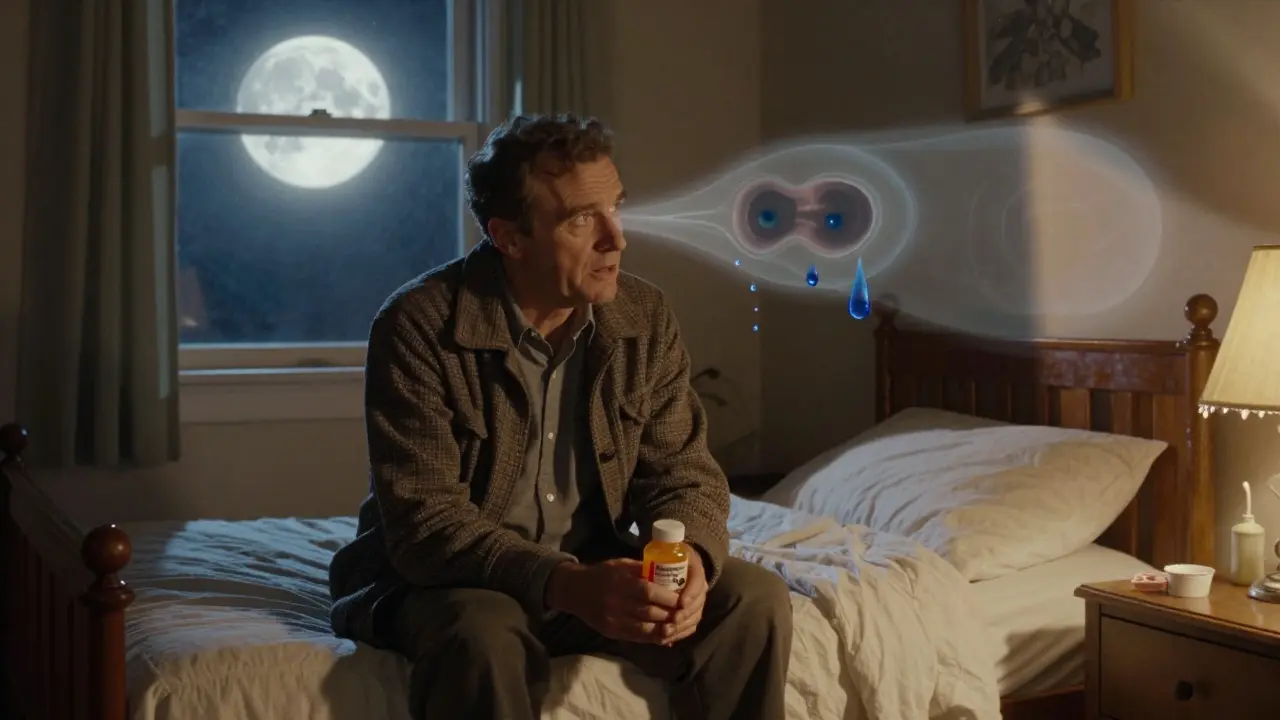
More than one in five adults say their sleep problems started after starting a new medication. It’s not just stress or screen time-it’s the pills you’re taking every day. From antidepressants to allergy meds, many common drugs quietly sabotage your sleep without you realizing it. And when you finally notice you’re tossing and turning, you might blame yourself instead of the medicine. But you’re not alone, and it’s not your fault.
Which Medications Are Most Likely to Keep You Awake?
Not all drugs affect sleep the same way. Some make you restless. Others steal your deep sleep. A few even cause nightmares. Here are the top offenders, backed by real clinical data:
- SSRIs like fluoxetine (Prozac): These antidepressants increase serotonin, which can overstimulate your brain at night. About 25-30% of users report frequent awakenings and less REM sleep. It’s not depression returning-it’s the drug.
- Beta-blockers like metoprolol (Lopressor): Used for high blood pressure and heart conditions, these drugs slash melatonin production by 42%. That’s why you wake up at 3 a.m. with your heart racing, even if you’re not anxious.
- Corticosteroids like prednisone: Even a 20mg daily dose can cut deep sleep by nearly half and triple nighttime awakenings. This isn’t just "feeling wired"-it’s your body’s cortisol rhythm completely flipped.
- ADHD stimulants like Adderall XR: Up to 50% of users struggle to fall asleep. The drug keeps dopamine and norepinephrine high long after it should’ve worn off.
- Over-the-counter decongestants like pseudoephedrine (Sudafed): Found in cold and allergy meds, these can trigger insomnia in 12-15% of users. Even one pill at noon can ruin your night.
- St. John’s wort and glucosamine-chondroitin: Yes, even "natural" supplements can mess with sleep. St. John’s wort, often taken for mood, causes insomnia in 15% of users. Glucosamine? About 7% report sleep trouble.
And don’t forget first-generation antihistamines like diphenhydramine (Benadryl). They’re marketed as sleep aids, but for older adults, they often cause confusion, next-day grogginess, and worse sleep quality. The American Geriatrics Society says they’re inappropriate for people over 65.
Why Do These Drugs Ruin Your Sleep?
It’s not magic. It’s biology. Every drug interacts with your brain’s sleep machinery in a specific way:
- SSRIs flood your synapses with serotonin. That’s great for mood-but serotonin blocks melatonin. No melatonin? No sleep signal.
- Beta-blockers shut down the pineal gland’s ability to make melatonin at night. Your body thinks it’s still daytime.
- Corticosteroids spike cortisol levels, especially if taken late. Cortisol is your wake-up hormone. When it’s high at midnight, sleep doesn’t stand a chance.
- Stimulants keep your prefrontal cortex buzzing. Your brain never hits "off mode."
- Decongestants act like mild amphetamines. They trigger adrenaline, even in low doses.
It’s not that these drugs are "bad." They’re doing their job-just not in a way that respects your sleep cycle. The problem isn’t the medicine. It’s the timing, the dose, or the lack of alternatives.
What You Can Do Right Now (No Doctor Visit Needed)
You don’t have to suffer. Here are actionable steps you can take today, based on clinical guidelines and real patient outcomes:
- Move your corticosteroid dose to before 9 a.m. A 2022 study found this simple change cuts nighttime awakenings by 63%. Even if your doctor didn’t say it, this is standard advice from the American College of Rheumatology.
- Take SSRIs in the morning. If you’re on fluoxetine or sertraline and taking it at night, switch to breakfast time. A 2022 study showed this reduces sleep problems by 45%. Your mood won’t change-your sleep will.
- Switch beta-blockers if possible. If you’re on propranolol (Inderal), ask your doctor about switching to atenolol (Tenormin). It’s water-soluble, doesn’t cross the blood-brain barrier as easily, and reduces nighttime awakenings by 37%.
- Try low-dose melatonin. If you’re on a beta-blocker, take 0.5-3 mg of melatonin 2-3 hours before bed. A 2020 trial showed it restores sleep quality by 52%. Don’t take it right before bed-it won’t work.
- Check your OTC meds. Look at the label of every cold, allergy, or pain pill you take. If it contains pseudoephedrine, phenylephrine, or loratadine, it could be stealing your sleep. Swap them for drowsy antihistamines like diphenhydramine only if you’re not over 65-and even then, use sparingly.

When to Talk to Your Doctor
Don’t just quit your meds. That’s dangerous. But if your sleep has been broken for more than 3 weeks, happens 3 or more nights a week, and leaves you exhausted 3 or more days a week, it’s time for a serious conversation. That’s the "3-3-3 Rule" from Dr. Raj Dasgupta, a leading sleep specialist.
Your doctor should:
- Review your full medication list-including supplements.
- Ask you to keep a sleep diary for two weeks. This isn’t fluff-it’s the most accurate way to prove a drug is the culprit.
- Consider alternatives. For example, if you’re on an SSRI and can’t sleep, mirtazapine (Remeron) is just as effective for depression but actually helps sleep. In clinical trials, it resolved insomnia in 68% of cases.
- Rule out other sleep disorders. About half of people who think their insomnia is drug-related actually have sleep apnea or restless legs. A sleep study can tell the difference.
What Not to Do
Many people try to fix drug-induced insomnia with more drugs-and make things worse.
- Don’t take Ambien or other sleep pills long-term. They don’t fix the root cause. If you stop them suddenly, 65% get rebound insomnia worse than before. If you must use them, taper slowly: reduce by 25% every two weeks under medical supervision.
- Don’t rely on alcohol. It might knock you out, but it destroys deep sleep and REM. You’ll wake up more tired.
- Don’t stop meds cold turkey. Stopping SSRIs or beta-blockers abruptly can cause serious withdrawal symptoms, including heart issues and rebound depression.
- Don’t assume it’s "just aging." Sleep changes with age, but waking up 5 times a night because of prednisone? That’s not normal. That’s a side effect.

The Bigger Picture: Why This Is Still Overlooked
Here’s the sad truth: most doctors don’t ask about sleep when prescribing. A 2023 Consumer Reports survey found 61% of people who stopped a medication due to sleep problems never told their doctor. They just quit.
That’s dangerous. And it’s avoidable. The FDA now requires clearer labeling of sleep-related side effects-but that change is still rolling out. Until then, you have to be your own advocate.
And here’s the good news: once you identify the culprit, fixing it often works fast. One woman on Reddit switched her SSRI from night to morning and went from 4 hours of broken sleep to 7 solid hours in three days. Another man swapped propranolol for atenolol and stopped waking up screaming from nightmares.
You don’t need to live like this. Your sleep matters. And your meds shouldn’t be stealing it.
What Works Best Long-Term
Medication changes help-but they’re not the full solution. The most effective long-term fix is cognitive behavioral therapy for insomnia (CBT-I).
CBT-I isn’t about pills. It’s about rewiring your brain’s relationship with sleep. It teaches you how to:
- Stop lying in bed awake and stressing about it.
- Reset your internal clock with consistent wake-up times-even on weekends.
- Reduce the anxiety that makes sleep feel impossible.
A 2023 meta-analysis in JAMA Internal Medicine found CBT-I works in 65-75% of cases-even when the insomnia is caused by medication. It’s the only treatment proven to last beyond the first few weeks.
And it’s accessible. Many online programs are covered by insurance. Look for ones certified by the American Academy of Sleep Medicine.
Final Thought: Sleep Is Not a Luxury
You take meds to feel better. But if they’re making you tired, anxious, and drained during the day, they’re not helping. Sleep isn’t just about rest-it’s about healing, memory, immunity, and mental clarity.
Start by tracking your sleep and meds for two weeks. Look for patterns. Then talk to your doctor with data, not just complaints. You have the right to sleep well-even while taking necessary medications.
You’re not broken. Your body is just responding to what you’re putting into it. Fix the trigger, and your sleep will follow.
Can antidepressants really cause insomnia?
Yes. SSRIs like fluoxetine and sertraline are among the most common culprits. They increase serotonin, which can suppress melatonin and overstimulate brain regions that control sleep. About 25-30% of users report trouble staying asleep. Switching the dose to the morning often helps significantly.
Is it safe to take melatonin with beta-blockers?
Yes, and it’s often recommended. Beta-blockers like metoprolol reduce your body’s natural melatonin by 42%. Taking 0.5-3 mg of melatonin 2-3 hours before bed can restore sleep quality by over 50%, according to clinical trials. Always check with your doctor first, especially if you have heart conditions.
Why do steroids like prednisone keep me awake?
Prednisone mimics cortisol, your body’s main wake-up hormone. When taken in the afternoon or evening, it disrupts your natural rhythm, suppressing melatonin and reducing deep sleep by nearly half. Taking it before 9 a.m. aligns it with your body’s natural cortisol peak and reduces sleep disruption by 63%.
Should I stop my medication if it’s causing insomnia?
No-not without talking to your doctor. Stopping medications like antidepressants or beta-blockers suddenly can be dangerous. Instead, track your symptoms, try adjusting the timing, and ask about alternatives. Most sleep problems from meds can be fixed without quitting the drug entirely.
Can over-the-counter allergy meds cause sleep problems?
Yes. Non-drowsy antihistamines like loratadine (Claritin) and decongestants like pseudoephedrine (Sudafed) can cause sleep onset issues. Pseudoephedrine acts like a mild stimulant and affects 12-15% of users. Even if you take it in the morning, it can linger and disrupt nighttime sleep.
What’s the best non-drug solution for medication-induced insomnia?
Cognitive behavioral therapy for insomnia (CBT-I) is the most effective. It’s proven to work in 65-75% of cases, even when medications are the root cause. It teaches you to break the cycle of sleep anxiety, reset your body clock, and improve sleep efficiency without pills. Many online programs are covered by insurance.
Is it normal to have bad sleep after starting a new pill?
It’s common-but not normal. About 22% of adults report sleep problems they link to medications. But many people assume it’s temporary or their fault. It’s not. If sleep issues last more than 3 weeks, it’s likely the drug, not your body adjusting. Track it. Talk to your doctor.
Can supplements like St. John’s wort cause insomnia?
Yes. Despite being marketed as a natural remedy for mood and sleep, St. John’s wort causes insomnia in 15% of users. It interacts with serotonin pathways similarly to SSRIs and can disrupt sleep architecture. Always tell your doctor about supplements-you’d be surprised how many cause sleep issues.