Tracking Lot Numbers and Recalls: What Patients Should Do Now
Medical Device Recall Checker
Check Your Device Status
Enter your device information to see if it's part of a recall.
Recall Information
This tool simulates real FDA recall data. For actual recalls, always check the FDA database directly.
Your device is not currently listed in recalls
This doesn't mean your device is 100% safe, but it's not part of any active recalls at this time.
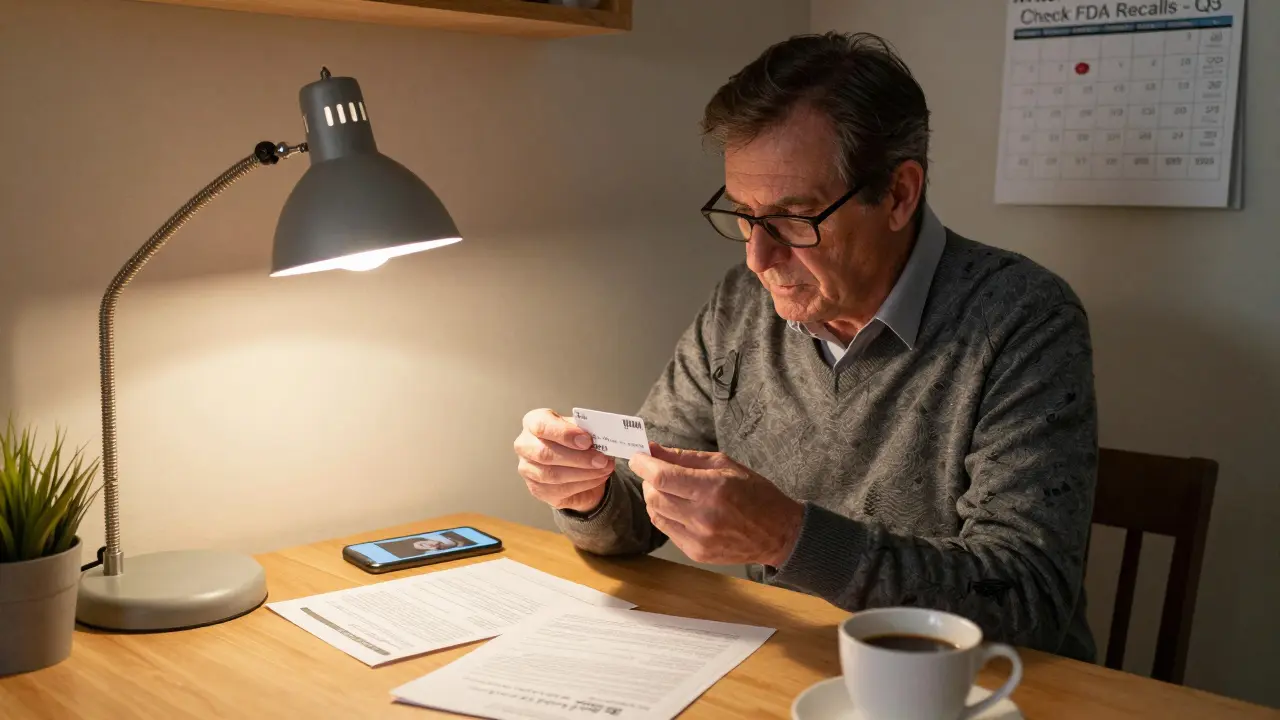
Did you know? 68% of patients with implants couldn't find their card when asked.
Why Lot Numbers Matter for Your Safety
If you’ve had a pacemaker, hip replacement, insulin pump, or even a vaccine shot, you’ve probably been given a small card with numbers on it. That’s not just paperwork-it’s your lifeline in a recall. Lot numbers are unique codes printed on medical devices and drugs that tell manufacturers exactly which batch you received. When something goes wrong-like a faulty valve or contaminated medicine-those numbers let companies find you fast, instead of warning millions of people who are perfectly safe.
In 2023, the FDA recorded over 6,700 medical device recalls. Most of these didn’t affect everyone. Only specific lots were problematic. Without your lot number, you could be waiting weeks to find out if you’re at risk. With it, you could be notified in hours.
What a Lot Number Actually Looks Like
Lot numbers aren’t random. They usually follow a pattern that includes the manufacturing date. For example, L20230105 means the product was made on January 5, 2023. Other formats might look like AB5X2021 or VX220915. The key is that each one is unique to a single production run.
Some devices also have serial numbers, especially if they’re implanted long-term. Don’t confuse the two. The lot number tells you which group of devices came out of the same machine at the same time. The serial number is your individual device’s ID. Both matter, but the lot number is what triggers a recall.
According to FDA testing, 43% of patients can’t recognize a valid lot number when they see one. That’s why keeping your card handy isn’t optional-it’s essential.
Where to Find Your Lot Number
- Implant card: Given to you right after surgery or treatment. It lists the device name, model, lot number, and manufacturer contact.
- Surgical report: Your surgeon’s office keeps a copy. Ask for it if you don’t have the card.
- Device manual: Often tucked in packaging. Keep it with your medical files.
- Pharmacy or clinic records: If you got a vaccine or medication, your provider may have scanned the lot number into your chart.
Don’t rely on memory. Don’t assume your doctor will remember. A 2022 FDA survey found that 68% of patients with implants couldn’t find their card when asked. If you don’t have it, call your surgeon’s office or hospital. They’re required to keep those records for at least 10 years.
What to Do If You’re Recalled
Receiving a recall notice can be scary. But here’s the truth: most recalls aren’t emergencies. The FDA classifies them into three levels:
- Class I: Highest risk. Could cause serious injury or death. About 12% of all recalls fall here.
- Class II: Might cause temporary health problems or minor injury.
- Class III: Unlikely to cause harm. Often a labeling or packaging issue.
If your lot number matches a recall, don’t panic. Contact your doctor or the manufacturer immediately. They’ll tell you what to do next-whether it’s monitoring symptoms, scheduling a checkup, or replacing the device.
One patient, ‘OrthoPatient87’ on Reddit, waited three weeks to confirm their hip implant was recalled. They only found out after pain started. That delay could’ve been avoided with a quick check.

How to Stay Ahead of Recalls
Waiting for a letter or phone call isn’t enough. Manufacturers can’t always reach you directly. In fact, 57% of negative recall reviews mention poor contact attempts. Here’s how to take control:
- Take a photo of your implant card and save it in your phone’s secure notes or cloud storage.
- Create a medical folder (digital or physical) with all your device info, surgical reports, and prescriptions.
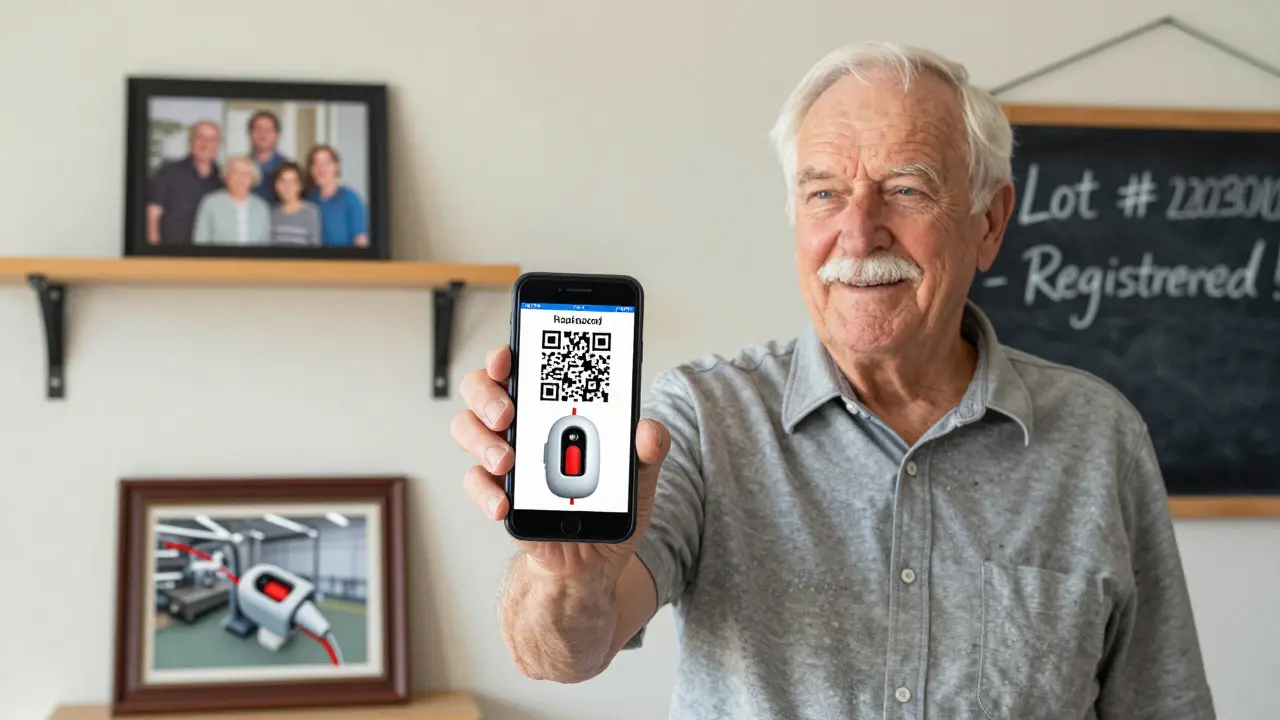
- Register your device with the manufacturer. Most have online portals for this.
- Sign up for FDA alerts at fda.gov/medwatch. You’ll get emails when recalls are issued.
- Check the FDA database quarterly. Search by device name or lot number: fda.gov/medical-devices/recalls.
Patients who do this receive notifications 14 days faster on average. That’s two weeks of peace of mind.
How Your Doctor Can Help
Healthcare providers are supposed to track lot numbers too. In ideal cases, they scan the barcode at the time of implant and link it to your electronic health record. That means if a recall happens, the system automatically flags your name.
As of early 2024, 87% of major EHR systems-like Epic and Cerner-now include device lot data in patient portals. If your provider uses one of these, log in and check your records. Look for a section labeled “Implants,” “Devices,” or “Medical History.”
If your provider doesn’t track this, ask them to. It’s now considered a standard of care. The Association for Healthcare Resource & Materials Management says practices that don’t track lots by lot number aren’t meeting basic safety standards.
The Future: Faster, Smarter Recalls
Change is coming. In January 2024, the FDA launched a pilot program where you can text your lot number to 311-FDA and get instant recall status. By 2026, AI systems are expected to cross-check your health records with manufacturing databases and notify you automatically-with 95% accuracy.
Companies like Medtronic and Johnson & Johnson are testing blockchain systems that let you verify your device’s history through a mobile app. Imagine scanning a QR code on your implant card and seeing its full journey-from factory to your body.
But technology won’t fix everything. Only 31% of Americans understand what a lot number is. That’s why your action today matters more than ever.
What If You Can’t Find Your Lot Number?
You’re not alone. Some patients lose their cards. Others never got one. Here’s what to do:
- Call the hospital or clinic where you had the procedure. Request your surgical report.
- Ask for the device manufacturer’s customer service line. Give them your name, date of procedure, and device type. They can often look it up.
- Check your insurance or Medicare records-they sometimes include device codes.
- If you’re still stuck, register with the FDA’s Patient Registry. They’ll help you track down your info.
Even if you can’t find your lot number now, start documenting everything from today. Future you will thank you.
Privacy Concerns? You Have Rights
Some people worry sharing their lot number or medical details violates privacy. But recall systems don’t need your full identity. Many manufacturers use anonymous identifiers tied to your device, not your name. The FDA allows patients to opt out of direct contact-though that means you’ll miss alerts.
If you’re uncomfortable, ask how your data will be used. Most systems are designed to protect confidentiality. Your safety shouldn’t depend on fear of data leaks.
Bottom Line: Do This Today
Here’s your simple checklist:
- Find your implant card or surgical report.
- Take a clear photo of the lot number.
- Save it in your phone and a secure cloud folder.
- Register your device with the manufacturer.
- Sign up for FDA recall emails.
- Check the FDA recall database once every three months.
This takes less than 20 minutes. And if a recall happens tomorrow, it could save your life-or prevent a hospital visit.
What if I don’t know what device I have implanted?
Call the hospital or surgeon’s office where the procedure was done. They’re required to keep records of all implanted devices, including the name, model, and lot number. You can also check your surgical report or insurance claims. If you’re unsure, ask for a copy of your operative note-it will list the exact device used.
Do all medical devices have lot numbers?
Not all. Simple items like gloves or syringes usually don’t. But any device implanted in your body, used long-term, or critical to your health-like pacemakers, joint replacements, insulin pumps, or heart valves-must have a lot number. The FDA requires this for Class II and Class III devices, which make up the majority of implants.
How often should I check for recalls?
At least once every three months. Recalls happen year-round, and some are issued without warning. The FDA updates its database daily. Setting a calendar reminder helps. If you’re registered with the manufacturer and signed up for FDA emails, you’ll get alerts faster-but checking manually is still the safest backup.
Can I get a recall notice by phone?
Sometimes, but not reliably. Manufacturers often try to reach patients by mail or email first. Many patients don’t update their contact info, so letters get returned. Phone calls are rare unless it’s a Class I recall. Don’t wait for a call. Take control by signing up for FDA alerts and checking the recall database yourself.
What if my doctor says my device isn’t affected?
Ask them to verify using your exact lot number. Sometimes, doctors rely on general device names and miss the specific batch. The FDA’s recall notice will list exact lot numbers and date ranges. Compare it to your card. If there’s any doubt, contact the manufacturer directly. Your safety is worth the extra step.
phara don
February 2, 2026 AT 02:21Also just signed up for FDA alerts. Hope I don't get one but better safe than sorry.
Dan Pearson
February 2, 2026 AT 12:22And don’t even get me started on how Americans lose their cards like they’re losing socks. You got a device implanted in your chest and you can’t keep a 2x3 inch card? LMAO.
Eli Kiseop
February 3, 2026 AT 14:29turns out my surgeon's office had it in their system but they never told me to check
now i take pics of every single thing medical
larry keenan
February 4, 2026 AT 17:07That said, patient engagement remains the weakest link in the chain. Despite technological readiness, behavioral inertia persists at a rate exceeding 68% as cited in the FDA survey. This is not a systems failure-it is a communication failure.
Nick Flake
February 5, 2026 AT 02:56Not because I'm scared-but because I realized I’ve been so lucky. My daughter got a heart valve at 12. We kept the card in a little envelope with her birth certificate. Now I’m telling everyone I know. This isn’t paperwork. This is love in barcode form.
Also-YES to blockchain. Imagine knowing your device’s whole story like it’s a book you can read. That’s magic.
Akhona Myeki
February 6, 2026 AT 02:21So while you Americans are taking photos and signing up for emails-we are praying that the device doesn't fail. This is not a checklist. This is a privilege.
Chinmoy Kumar
February 7, 2026 AT 14:08Brett MacDonald
February 8, 2026 AT 04:42also i lost my card. i just called the hospital and they said oh yeah we got it. turns out they already knew. why didn’t they tell me?
Sandeep Kumar
February 10, 2026 AT 00:48Stop acting like this is a global issue. It’s a rich country problem.
Gary Mitts
February 11, 2026 AT 09:48Now go drink your water and stop stressing.
Bridget Molokomme
February 13, 2026 AT 06:29turns out my doctor didn’t even know until I sent him the FDA email
so now i’m the annoying friend who asks everyone ‘do you have your lot number?’
yes i’m that person