Vaccines in Immunosuppressed Patients: When and How They Work
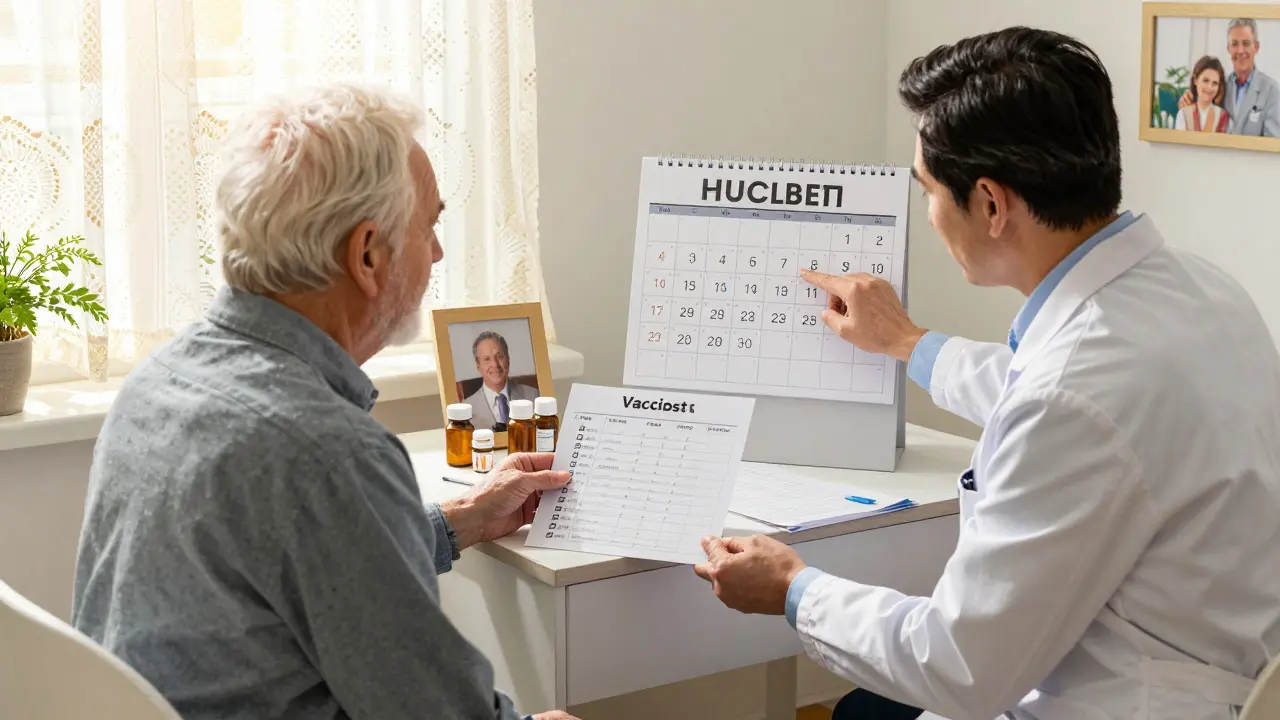
Getting vaccinated when you’re on immunosuppressive therapy isn’t as simple as showing up at the clinic. For people with autoimmune diseases, organ transplants, or cancer, the body’s ability to respond to vaccines is often weakened-sometimes dramatically. The goal isn’t just to get the shot, but to get it at the right time so it actually works. And that timing? It changes depending on what drug you’re taking, when you took it last, and even how bad the infection risk is in your community.
Why Vaccines Don’t Always Work in Immunosuppressed People
Immunosuppressive drugs don’t just calm down overactive immune systems-they also dull the body’s ability to build protection from vaccines. Think of it like trying to train a team when half the players are sidelined. Medications like rituximab, methotrexate, or high-dose prednisone don’t just block inflammation; they block the immune cells that make antibodies. Studies show vaccine effectiveness can drop by 30% to 80% compared to healthy people. For example, in people with inflammatory bowel disease on these drugs, the mRNA COVID-19 vaccine was only about 80% effective, versus 94% in the general population.
It’s not just about antibodies either. T-cells, the body’s second line of defense, can still respond even when antibodies are low. That’s why some people who test negative for antibodies after vaccination still have protection. But we still don’t have reliable tests to measure that in real time. So doctors rely on fixed time windows instead of real immune status.
When to Get Vaccinated Before Starting Immunosuppression
The best chance for a strong vaccine response? Before the drugs start. If you know you’re going to begin treatment for rheumatoid arthritis, lupus, or another autoimmune condition, get vaccinated at least 14 days before your first dose. This applies to all non-live vaccines: flu, COVID-19, pneumococcal, hepatitis B, and more. The CDC and IDSA agree on this. It’s not a suggestion-it’s the gold standard.
For transplant candidates, this window is even more critical. Getting your full vaccine schedule done before the transplant surgery means you’re not relying on a weakened immune system to catch up later. Many transplant centers now require proof of vaccination before adding patients to their lists.
Timing Vaccines Around Specific Medications
Not all drugs affect vaccines the same way. Here’s what you need to know based on the latest guidelines:
- Rituximab and other B-cell depleters (like obinutuzumab): These drugs wipe out the cells that make antibodies. If you’re on rituximab, you need to time your vaccines around the infusions. The ideal window is 4 to 5 months after your last infusion and at least 2 to 4 weeks before your next one. Some experts, like those at Memorial Sloan Kettering, recommend waiting 9 to 12 months for the best response-but that’s not always practical. The CDC says 6 months is the minimum.
- Methotrexate: This common rheumatology drug cuts vaccine response by about half. The American College of Rheumatology says to hold it for two weeks after getting the flu shot. For other vaccines, the same rule often applies. Talk to your rheumatologist about pausing it temporarily.
- Prednisone: If you’re taking more than 20 mg daily, hold off on non-flu vaccines until you’re down to 20 mg or less. This isn’t just about the dose-it’s about how long you’ve been on it. A sudden high dose right before vaccination can shut down your immune response.
- Chemotherapy: Timing here is tricky. For cyclical treatments, like obinutuzumab, the best time to vaccinate is often the week before your next chemo cycle, when white blood cell counts are highest. Your oncology team should coordinate this.
What About After a Transplant?
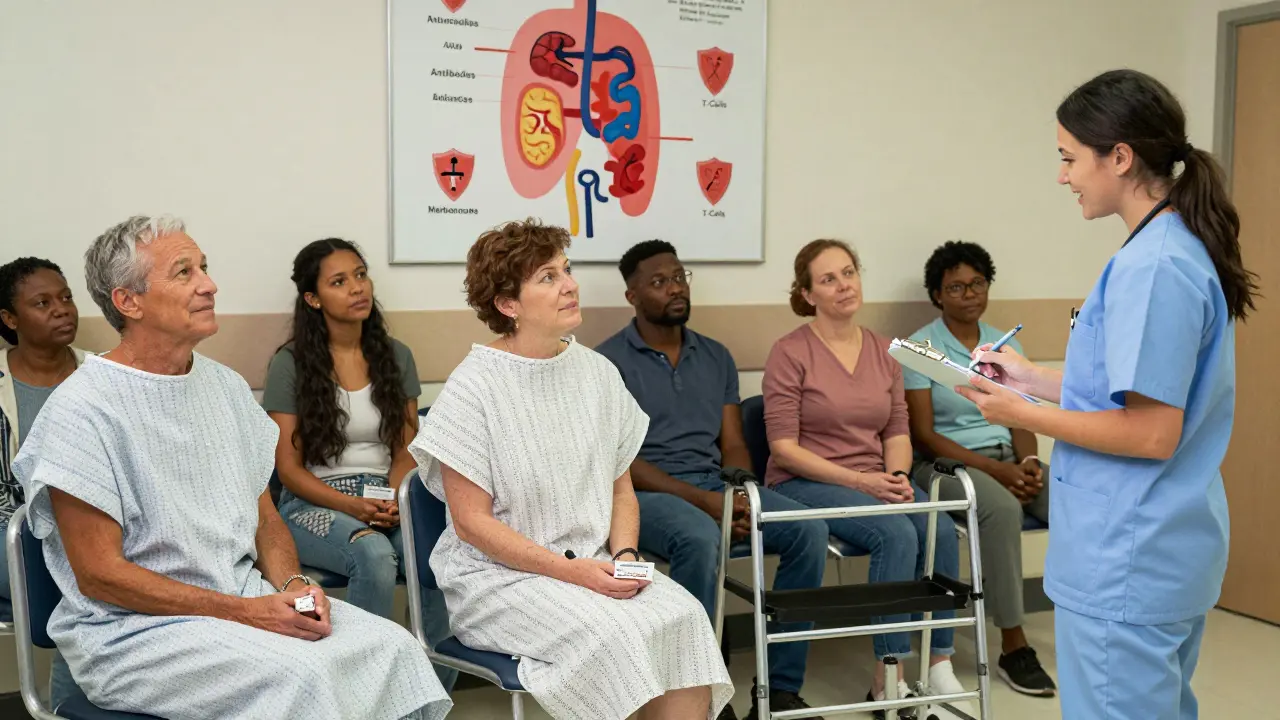
For organ transplant recipients, the immune system is still recovering. Vaccines given too early may not stick. The IDSA recommends waiting at least 3 months after transplant before starting vaccines. The CDC says 1 month is acceptable in some cases. Either way, avoid vaccines during active rejection or when you’re getting high-dose steroids or other pulse therapies. Those are times when your immune system is being hammered-and vaccines won’t work.
Most transplant patients need multiple doses of the same vaccine. For example, the COVID-19 vaccine series for transplant recipients often includes three initial doses, followed by boosters every 6 to 12 months. Don’t assume one shot is enough.
What If You’re Already on Treatment? Should You Wait?
This is where things get messy. If you’re on rituximab and community COVID-19 cases are surging-say, over 100 cases per 100,000 people-the IDSA says: get the vaccine now. Waiting for the perfect timing might leave you unprotected during an outbreak. The same goes for people with active cancer or severe autoimmune flares. The risk of getting sick outweighs the risk of a weaker vaccine response.
That’s why guidelines now stress flexibility. Dr. Thomas Hooten from IDSA says: “It’s likely more important to have the vaccine as soon as possible than to delay based on timing.” A 2023 study found that 47% of transplant centers missed optimal timing because their teams didn’t coordinate with primary care doctors. That’s a huge gap in care.
What Vaccines Are Safe?
Only non-live vaccines are recommended for immunosuppressed patients. That means:
- COVID-19 (mRNA or protein-based)
- Influenza (shot, not nasal spray)
- Pneumococcal (PCV20 or PPSV23)
- Hepatitis A and B
- Tdap (tetanus, diphtheria, pertussis)
- HPV
- Meningococcal
Live vaccines like MMR, varicella, or the nasal flu spray are off-limits. They contain weakened viruses that could cause infection in someone with a suppressed immune system. If you need one of these, it must be given at least 4 weeks before starting immunosuppression.
What’s Changing in 2026?
The big shift? Moving from fixed timing to personalized immune monitoring. Right now, we use calendar dates because we don’t have a quick, reliable test to measure immune readiness. But that’s changing. In January 2024, the NIH launched a $12.5 million trial to see if measuring CD19+ B-cell counts can tell us exactly when someone is ready to respond to a vaccine after rituximab.
Early data from December 2023 shows that even when people wait the recommended 6 months after rituximab, 60-70% still don’t make enough antibodies. That means we’re missing the mark. The next step? Blood tests before each vaccine to check if your immune system is ready.
For now, though, the best advice is still this: get vaccinated as early as possible, know your meds, and talk to your care team. Don’t assume your rheumatologist or oncologist will bring it up. Ask. Bring a list of your drugs. Ask: “When should I get my next vaccine?” And don’t skip boosters-your immune system needs them more than most.
What If You Missed the Window?
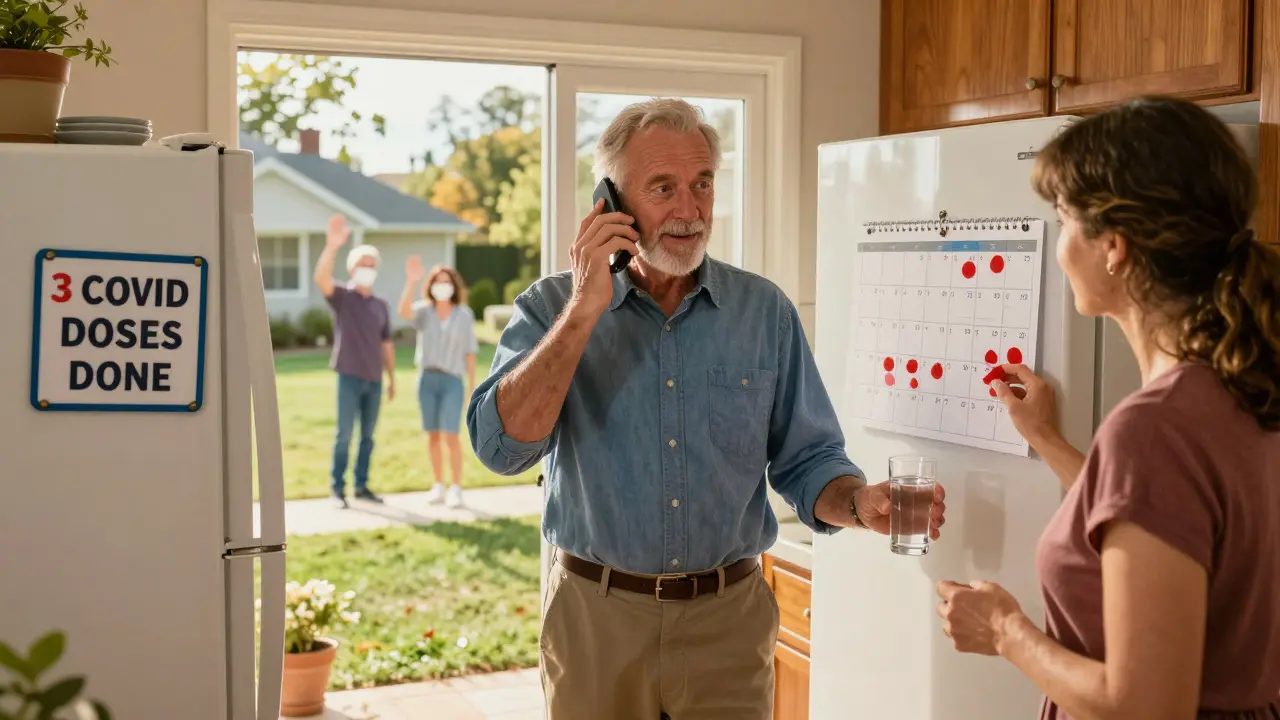
If you’ve already started immunosuppression and haven’t been vaccinated, don’t panic. You’re not out of luck. You can still get vaccinated. You just might need more doses. For example, the CDC recommends three initial doses of the COVID-19 vaccine for immunocompromised people, followed by annual boosters. The goal isn’t perfection-it’s enough protection to keep you out of the hospital.
Also, remember that people around you matter. Make sure your household members are up to date on vaccines. That’s your second layer of defense.
Can I get vaccinated while on rituximab?
It’s not ideal, but it’s sometimes necessary. If you’re on rituximab, the best window is 4-5 months after your last infusion and 2-4 weeks before your next one. If you’re in the middle of treatment and there’s a high risk of infection (like during a flu or COVID surge), get the vaccine anyway. Even a weak response is better than none. Always talk to your doctor first.
Do I need more than one dose of the COVID-19 vaccine if I’m immunosuppressed?
Yes. Most immunosuppressed people need a 3-dose primary series for the initial COVID-19 vaccine, followed by annual boosters. The immune system in these patients doesn’t hold onto protection the way healthy people do. Skipping boosters leaves you vulnerable.
Is it safe to get the flu shot if I’m on methotrexate?
Yes, but timing matters. The American College of Rheumatology recommends holding methotrexate for two weeks after getting the flu shot. This simple pause can improve your body’s response. Don’t stop it longer than that unless your doctor says so-your autoimmune condition might flare.
Why can’t I get live vaccines like MMR if I’m immunosuppressed?
Live vaccines contain weakened versions of the virus. In a healthy person, that’s enough to trigger immunity without causing illness. In someone with a suppressed immune system, those weakened viruses can still replicate and cause serious infection. That’s why only non-live (inactivated) vaccines are recommended.
How do I know if my vaccine worked?
There’s no standard test for most vaccines. For COVID-19, antibody tests exist but don’t tell the whole story-T-cells matter too, and we can’t test those easily in clinics. The best sign that the vaccine worked? You didn’t get sick. That’s why boosters and community protection (like others being vaccinated) are so important.
Should I delay my immunosuppressive treatment to get vaccinated?
Only if your condition allows it. For example, if you have stable rheumatoid arthritis and are scheduled for your next rituximab dose, your doctor might suggest delaying it by 2-4 weeks to let the vaccine take effect. But if you have active disease or cancer, delaying treatment could be dangerous. Always weigh risks with your care team.
What to Do Next
Make a list of every medication you’re on. Write down the last date you got each vaccine. Call your specialist and ask: “Based on my drugs and health, when should I get my next shot?” Don’t wait for them to bring it up. Bring this article with you. If your clinic doesn’t have a clear plan, ask if they can coordinate with a pharmacy or public health office that specializes in immunocompromised care. And if you’re eligible, ask about monoclonal antibody treatments-they can give you extra protection if vaccines aren’t working well enough.
Jeremy Van Veelen
March 19, 2026 AT 06:51Let me just say this - the entire medical establishment is still operating on 2019 logic. We’re talking about people on rituximab, for Christ’s sake, and we’re still using calendar-based vaccine timing like it’s a damn spreadsheet? No one’s measuring B-cell reconstitution in real time? That’s not medicine, that’s astrology with a stethoscope.
I’ve seen patients get three doses of mRNA and still test negative for antibodies. And then the doctors act shocked? Shocked? We’ve had the tools to monitor immune reconstitution for years. We just refuse to use them because it’s ‘too complicated.’
The NIH trial? Cute. But it’s too little, too late. By the time this becomes standard care, half the immunocompromised population will be dead or permanently disabled. We need point-of-care B-cell assays NOW, not in 2026. And if your clinic doesn’t have one, you’re not getting care - you’re getting babysitting.
Also - why are we still using ‘non-live’ as a binary? The whole concept of ‘live’ vs ‘inactivated’ is a relic from the pre-mRNA era. We need to stop pretending this is a one-size-fits-all problem. It’s not. It’s a spectrum. And we’re treating it like a light switch.
Laura Gabel
March 19, 2026 AT 16:13Why are we even vaccinating these people? If their immune system is shot, why waste shots on them? Just let them get sick and deal with it. Taxpayers are paying for all this. I don’t get it.
Also why do they need 3 doses? One’s enough for normal people. They’re just being extra. Lazy.
jerome Reverdy
March 20, 2026 AT 05:27Look - I get it. This is a mess. I’m a transplant nurse and I see this every week. People come in after their 3rd COVID shot, get an antibody test, see it’s negative, and assume they’re unprotected. But here’s the thing - T-cells are the real MVPs here. We can’t test them easily, but they’re still there. They don’t prevent infection, sure - but they prevent death.
And yeah, rituximab wipes out B-cells. But if you time it right - like 4-5 months post-infusion - you get a decent response. I’ve had patients with IBD on it who seroconverted after the 3rd dose. It’s not perfect, but it’s not zero.
Also - methotrexate pause? Yes. Do it. Two weeks after flu shot. Not because it’s magic - but because it gives your immune system a fighting chance. You don’t need to go off it forever. Just a short break.
And for the love of God - don’t wait for your rheumatologist to bring it up. Bring this article. Print it. Hand it to them. Most of them are overwhelmed. They’re not ignoring you - they’re drowning.
And if you’re on chemo? Talk to your oncology team. They know the cycle. The week before your next infusion? That’s your sweet spot. White cells are up. Vaccine’s got a shot.
Aileen Nasywa Shabira
March 22, 2026 AT 02:16Oh my god. Another ‘science’ article that’s just a corporate pharmaceutical brochure.
Why do you think they want you to get three doses? To keep you coming back. To keep you scared. To keep you on the vaccine treadmill.
And don’t even get me started on ‘boosters every 6-12 months.’ Who’s paying for this? Who profits? Who’s lobbying for these guidelines? Hmm?
And don’t tell me about ‘T-cells.’ I’ve read the studies. They’re not real. It’s all just antibody worship. They can’t measure T-cells, so they pretend they don’t matter - until they need to sell you another shot.
Also - why are live vaccines ‘dangerous’? Because they’re too weak? Or because they’re too real? You think a little virus from a vaccine is worse than the actual disease? That’s the whole point - the immune system needs to be challenged. Not coddled.
And why are we giving these people vaccines at all? Maybe they’re not meant to survive. Evolution doesn’t care about your autoimmune disease. Maybe we should stop pretending we can fix everything with a shot.
Lauren Volpi
March 23, 2026 AT 12:36Why do we even care if these people get vaccinated? They’re already broken. Why waste money on them? We got real problems - like border security and inflation.
Also - why are they getting MMR? They’re not even supposed to be around kids. Why are they even allowed to be out in public? I mean… really?
And why do they need 3 doses? One shot is enough for normal people. These people are just lazy. They don’t want to deal with their own health. They want the system to fix them.
Also - why are we even talking about this? It’s not a national emergency. Stop hyping it up.
Nilesh Khedekar
March 25, 2026 AT 08:28yo i think vaccines are a globalist plot to implant chips in our blood
they say its safe but what if the mRNA turns you into a robot? or makes you infertile? or connects you to satan’s network?
i read online that rituximab is just a cover for 5g nanobots that make your immune system weak so they can control you
also why do they want you to get 3 doses? to track you? to sell your data? to make you part of the new world order?
my cousin in india said his uncle got the shot and his arm turned blue and he started talking in chinese
just sayin - dont trust the doctors. they work for big pharma. they dont care about you. they just want your soul.
also i heard the NIH trial is fake. its all just a scam to get more funding. the real cure is garlic and lemon juice. trust me.
Robin Hall
March 26, 2026 AT 21:26It is of paramount importance to emphasize that the current clinical paradigm governing vaccine administration in immunocompromised populations is fundamentally deficient in its evidentiary rigor and lacks a coherent, longitudinal, peer-reviewed framework for longitudinal immune reconstitution monitoring.
The reliance upon fixed temporal windows - e.g., 4-6 months post-rituximab - constitutes an epistemological fallacy, as it presumes homogeneity of immune recovery across heterogeneous patient cohorts, which is demonstrably false.
Furthermore, the conflation of antibody titers with clinical protection is a gross oversimplification of immunological dynamics, particularly in the context of T-cell-mediated immunity, which remains unquantified in routine clinical practice.
It is therefore imperative that healthcare institutions prioritize the development and validation of point-of-care biomarkers - specifically, CD19+ B-cell enumeration via flow cytometry - as a prerequisite to vaccine administration, rather than continuing to rely on arbitrary calendar-based protocols that are not only scientifically unsound but ethically indefensible.
The NIH trial, while commendable in intent, remains insufficiently funded and inadequately powered to serve as a definitive solution. We require a national, standardized, federally mandated protocol - not a pilot.
jared baker
March 27, 2026 AT 04:02Look - if you’re immunocompromised and haven’t gotten your vaccines, just do it. Don’t overthink it.
Here’s what you need: flu shot, COVID shot (3 doses first, then yearly), pneumococcal, and Tdap. That’s it. No magic. No mystery.
If you’re on methotrexate - skip it for two weeks after the shot. Easy. If you’re on rituximab - wait 4-6 months after your last dose. If you’re in the middle of chemo - ask your oncologist when your white count is highest. Usually the week before your next cycle.
And yeah - you might not make a ton of antibodies. That’s okay. You still get some protection. T-cells help. People around you being vaccinated helps even more.
Don’t wait for perfect. Get it done. And if your doctor doesn’t bring it up - ask. Just say: ‘When should I get my next shot?’
It’s not complicated. It’s just easy to forget. Don’t forget.