Why Prescription Drug Prices Are So High in the United States: The 2026 Reality
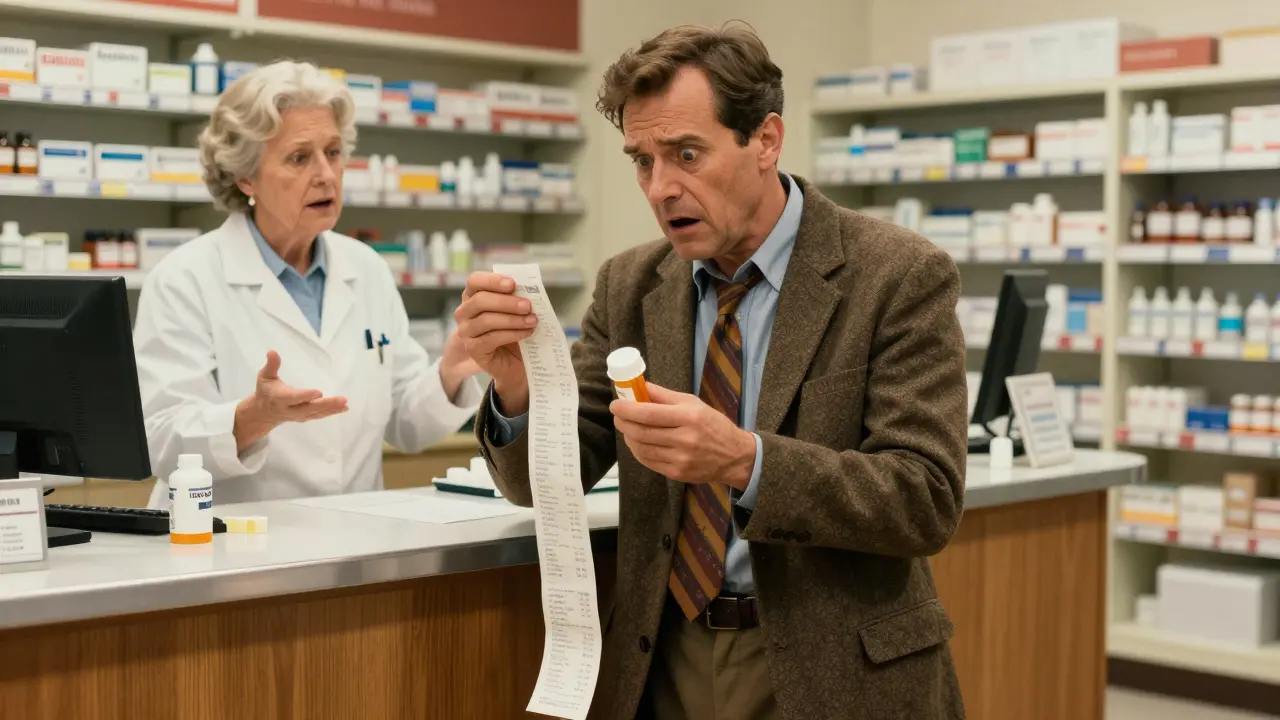
Imagine buying a simple pill for $88,800 a year. That is not a typo. In the United States, patients with Wilson's disease pay that amount for Galzin. Across the Atlantic in the UK, the exact same medication from the same factory costs $1,400. In Germany, it is $2,800. You are looking at a markup of over 1,500%. This isn't just bad luck; it is a feature of the system.
Americans pay significantly more for medications than citizens of other developed nations. We make up less than 5% of the global population, yet we generate roughly 75% of global pharmaceutical profits. Why does this happen? It comes down to a mix of old laws, complex middlemen, and a market structure that rewards high list prices over affordability.
The Legal Barrier: No Price Negotiation
The root cause goes back two decades. The Medicare Modernization Act of 2003 is legislation that prohibited Medicare from negotiating drug prices directly with manufacturers. For most of its history, Medicare could not use its massive buying power to get better deals. While countries like Canada, France, and Germany negotiate prices or set reference caps, the U.S. left pricing largely to the free market.
This changed slightly with the Inflation Reduction Act (IRA) is a law enacted in 2022 that allowed Medicare to negotiate prices for certain high-cost drugs. By 2025, provisions took effect requiring drug companies to pay rebates if they raised prices faster than inflation. However, the impact has been limited. As of 2026, the Medicare negotiation program covers only ten drugs. While this saves an estimated $1.5 billion annually, it is a drop in the bucket compared to the total market size.
Critics argue the reforms went too far in the wrong direction. Senator Bernie Sanders’ September 2025 report highlighted that 688 prescription drugs increased in price despite political promises to lower them. The 2025 budget reconciliation bill (HR 1) further weakened the IRA’s negotiation powers, potentially increasing Medicare spending by at least $5 billion according to KFF analysis.
The Middlemen Problem: PBMs and Rebates
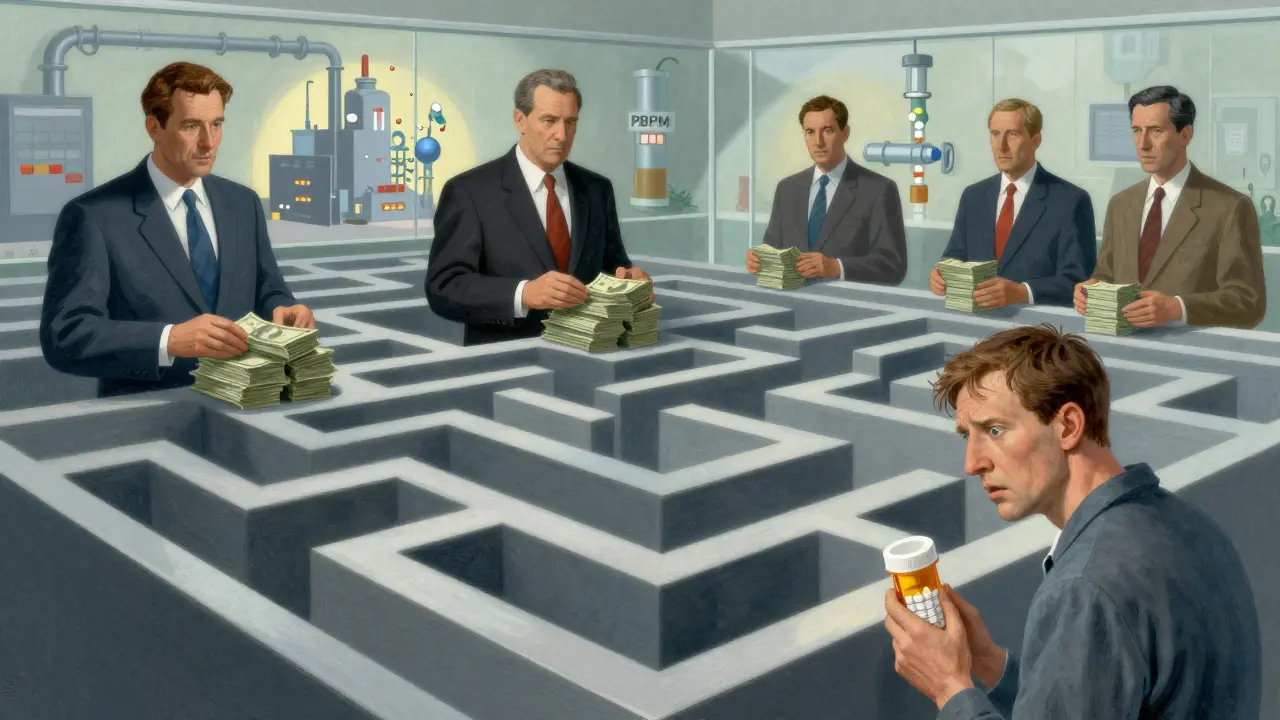
You might think higher prices mean more profit for pharma companies. But there is another layer: Pharmacy Benefit Managers (PBMs) are intermediaries that manage drug benefits for insurers and negotiate rebates with manufacturers. Companies like CVS Health, Cigna, and UnitedHealth Group operate these entities. They started as third-party administrators but have evolved into vertically integrated giants.
Here is how the trap works. PBMs do not necessarily want the lowest price for the patient. They want the highest rebate. A drug with a high list price often comes with a large rebate paid back to the PBM. This creates a perverse incentive where PBMs favor expensive drugs because they keep a portion of the rebate. The result? List prices stay sky-high, and patients face steep copays based on those inflated lists.
| Entity | Role | Incentive |
|---|---|---|
| Manufacturer | Sets the initial list price | Maximize revenue via high list prices and volume |
| PBM | Negotiates rebates and formulary placement | Maximize rebate income from manufacturers |
| Insurer | Pays the negotiated rate | Keep premiums low while managing risk |
| Patient | Pays copay/deductible | Minimize out-of-pocket costs (often loses out) |
A Morgan Lewis analysis from April 2025 noted that this lack of transparency hides the true cost of care. Patients rarely see the rebate money flow back to their insurer or plan. Instead, they see the sticker price on the pharmacy counter.
Specialty Drugs Drive the Spike
Not all drugs contribute equally to the cost crisis. The biggest drivers are specialty medications. These include treatments for cancer, endocrine conditions, and rare diseases. According to IQVIA Institute data, the U.S. market net prices grew 11.4% in 2024, up from 4.9% in 2023. Much of this acceleration came from novel obesity and diabetes medications like Ozempic and Wegovy.
These drugs are effective, but their pricing models are aggressive. Before recent executive actions, monthly costs for these injectables exceeded $1,000. In late 2025, the White House announced deals reducing Ozempic to $350 and Wegovy to $350 monthly. While a relief for some, these remain high compared to international benchmarks. Specialty drugs continue to drive expenditures, with projections showing 9-11% overall spending growth through 2025 and beyond.
Political Promises vs. Market Reality
Prescription drug pricing is a political football. Both parties claim to want lower costs, but legislative action often stalls or gets diluted. President Trump signed an Executive Order in May 2025 titled "Delivering Most-Favored-Nation Prescription Drug Pricing," aiming to align U.S. prices with other developed nations. Yet, Sanders’ report documented 87 drugs that increased prices by a median of 8% after letters were sent to manufacturers in July 2025.
The disconnect is stark. The White House claims success with five deals announced in September 2025. Meanwhile, independent analyses show continued erosion of consumer protections. HHS Secretary Robert F. Kennedy Jr. initially engaged with reform efforts but reportedly stopped responding to follow-ups after one meeting, according to the same Senate report. This political volatility makes long-term planning difficult for patients and providers alike.
The Human Cost: Rationing and Ruin
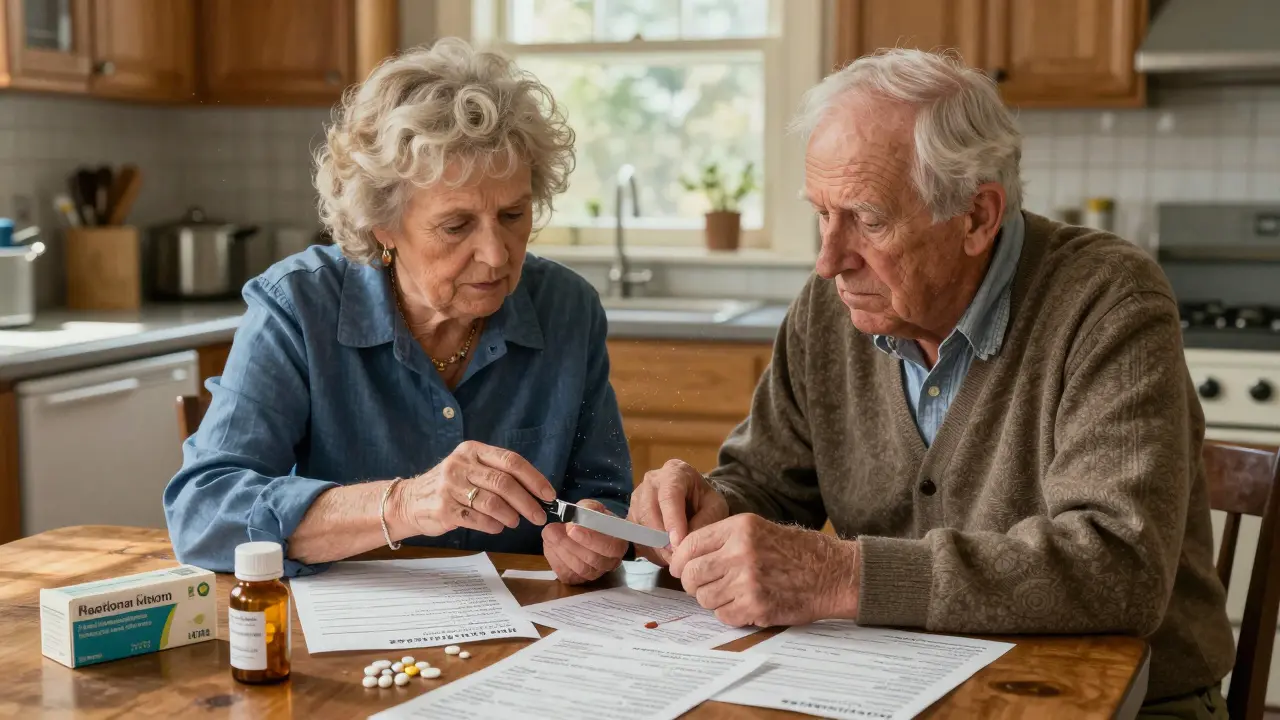
Behind the percentages are real people making impossible choices. CMS Administrator Chiquita Brooks-LaSure called the IRA’s $2,000 annual out-of-pocket cap for Medicare Part D "life-changing." For seniors facing thousands in drug bills, this cap prevents financial ruin. However, coverage gaps remain.
The Center for American Progress warned that proposed plans under Project 2025 could increase costs for up to 18.5 million seniors. When out-of-pocket costs rise, patients ration medication. They skip doses, split pills, or go without entirely. This leads to worse health outcomes, higher emergency room visits, and greater strain on the healthcare system overall. The choice between paying for insulin or buying groceries is not a policy failure; it is a humanitarian crisis.
What Comes Next?
Reform is happening, but slowly. Transparency rules announced by HHS in September 2025 aim to provide real-time price information. International reference pricing remains a key proposal, though legal challenges persist. The core issue remains: until the U.S. treats drug pricing as a public utility rather than a pure commodity, disparities will continue.
For now, patients must navigate a complex web of prior authorizations, step therapy requirements, and opaque rebate structures. Advocacy groups suggest asking pharmacists about discount cards, checking manufacturer assistance programs, and exploring generic alternatives whenever possible. Understanding the system is the first step to fighting it.
Why are drug prices higher in the US than in Europe?
European countries like Germany and the UK use government negotiation and reference pricing to cap costs. The U.S. historically prohibited Medicare from negotiating prices, allowing manufacturers to set higher list prices. Additionally, the U.S. market bears the brunt of global R&D recovery costs.
Do PBMs actually lower drug costs?
PBMs negotiate rebates, which can lower net costs for insurers. However, they often incentivize higher list prices to maximize rebate amounts. This structure frequently results in higher out-of-pocket costs for patients, as copays are tied to the inflated list price rather than the net price.
Has the Inflation Reduction Act lowered drug prices?
Yes, partially. The IRA introduced an inflation rebate system and capped Medicare Part D out-of-pocket costs at $2,000 annually. It also allowed Medicare to negotiate prices for select high-cost drugs. However, subsequent legislation in 2025 weakened some of these negotiation powers, limiting the overall impact.
Why do specialty drugs cost so much?
Specialty drugs treat complex conditions like cancer and rare diseases. They often have fewer competitors due to patent protections and complex manufacturing. Manufacturers leverage this monopoly power to set high prices, arguing that R&D costs justify the expense. Recent growth in obesity drugs has also driven up average specialty drug spending.
Can I negotiate my own drug prices?
Direct negotiation with pharmacies is rare and usually ineffective. However, you can ask for generic alternatives, use manufacturer patient assistance programs, or utilize third-party discount cards. Checking GoodRx or similar services can sometimes reveal cash prices lower than your insurance copay.